Hey, I’m Ferb Vu, and I want to share some of what I’ve learned and experienced with Eryngium Planum. This plant, often called Blue Eryngo or Flat Sea Holly, is one of those unique garden treasures. I’ve grown it myself and compared it with similar plants, so I’ll answer the most common questions I get. I’ll keep things clear, concise, and practical — Hemingway style — so you get what you need without fluff.
253 Species in Genus Eryngium – Sea Holly
What Is Eryngium Planum?
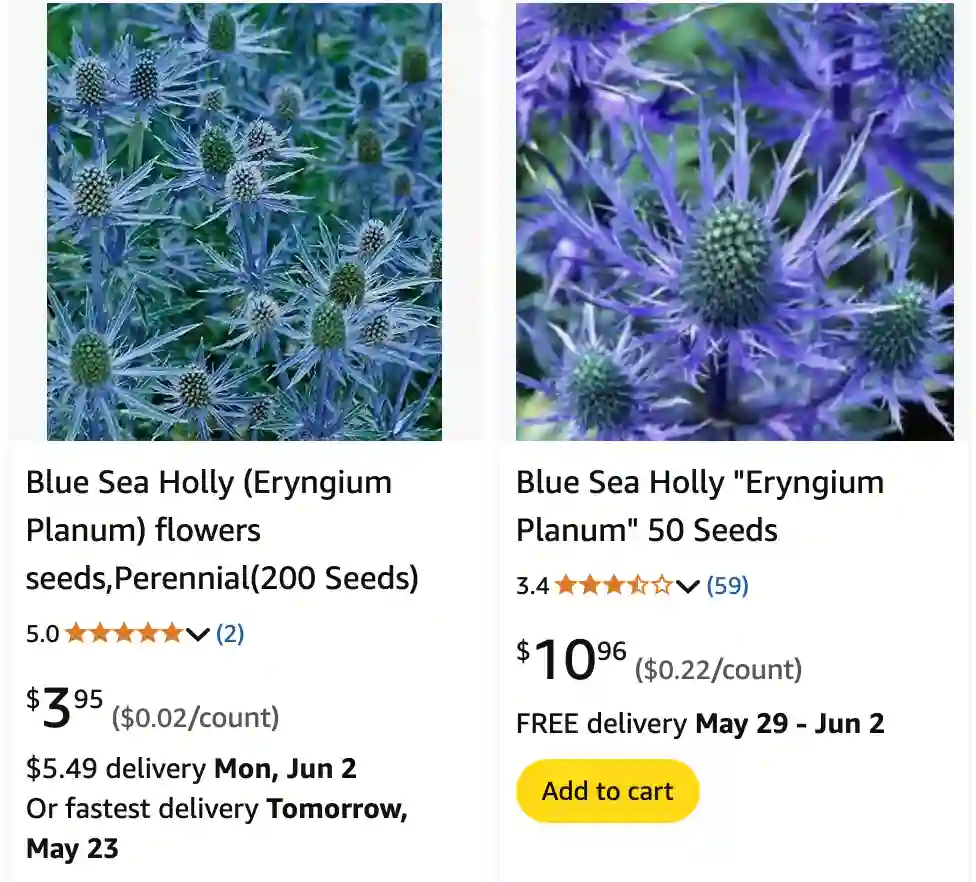
Eryngium Planum is a perennial plant native to Europe and Asia. It’s known for its striking blue-grey, spiky flowers and silvery stems. The leaves are serrated and often have a bluish tint, giving it a metallic look. It’s part of the Apiaceae family, which includes carrots and parsley, but don’t let that fool you — Eryngium looks tough and architectural rather than soft and leafy.
In my garden, it stands out like a sculpture. The flowers bloom mid to late summer and last well into fall, which adds long-lasting color and texture.
How Do I Grow Eryngium Planum Successfully?
From my experience, Eryngium Planum loves sun and well-drained soil. It thrives in poor to average soil — rich soil actually can cause it to flop. So, don’t overfertilize. If your garden soil holds water or is heavy clay, amend it with sand or grit for drainage.
Once established, Eryngium Planum is drought tolerant. I water it sparingly in dry spells, but it usually does well with natural rainfall. It’s also fairly resistant to pests and diseases, which makes it low-maintenance.
How Does Eryngium Planum Compare to Other Eryngiums?
I’ve grown a few other Eryngium species, like Eryngium giganteum (Miss Willmott’s Ghost) and Eryngium alpinum. Here’s how Planum stacks up:
- Eryngium Planum vs. Eryngium Giganteum: Planum is more compact and bushy. Giganteum grows taller and more dramatic but is less sturdy in wind. Planum holds up better in windy or exposed spots.
- Eryngium Planum vs. Eryngium Alpinum: Alpinum has rounder, more colorful flower heads but is less cold hardy. Planum tolerates colder zones better and has a steelier, more architectural look.
Planum is my go-to if I want that spiky blue accent that stays neat and doesn’t flop.
Can Eryngium Planum Attract Pollinators?
Yes! I’ve noticed a steady buzz of bees and butterflies around my Eryngium Planum plants. The spiky flowers offer nectar and pollen, and many pollinators find them irresistible. It’s a great choice if you want to support local wildlife while adding beauty to your garden.
Is Eryngium Planum Deer-Resistant?
One of the reasons I like Eryngium Planum is its deer resistance. The spiny leaves and tough texture deter deer and rabbits. I’ve never had to worry about it getting munched, even in areas where deer are a problem. That makes it perfect for gardens in suburban or rural zones.
How Do I Propagate Eryngium Planum?
I propagate Eryngium Planum by seed and division. Seeds are easy to collect from spent flower heads in late fall. Start seeds indoors in early spring with light stratification, or sow them directly outdoors after the last frost. Germination can be slow, but patience pays off.
Division works best in early spring or fall. The roots are tough, so dig carefully. Divided plants establish faster than seedlings and bloom sooner.
How Does Eryngium Planum Perform in Different Climates?
I’ve grown Eryngium Planum in temperate and slightly Mediterranean climates. It adapts well but prefers full sun and dry conditions. It can tolerate some humidity but struggles in overly wet or humid climates, where fungal problems can occur.
In colder zones, it dies back in winter and comes back in spring without trouble. Just make sure it’s planted in well-drained soil to avoid root rot in winter.
What Are Common Problems With Eryngium Planum?
In my experience, this plant rarely has serious problems. Occasionally, if the soil is too wet, it can suffer root rot. Also, powdery mildew might appear in very humid conditions, but it’s usually mild.
Sometimes the flower stems get floppy if the plant is grown in shade or rich soil. Stick to sunny, dry spots to avoid that.
Can Eryngium Planum Be Used in Floral Arrangements?
Absolutely. The stiff stems and unique blue flowers make it excellent for cut flower arrangements and dried flower crafts. I often cut some flower heads just before they fully open. They last a long time in a vase and keep their color well when dried.
How Does Eryngium Planum Compare With Other Pollinator-Friendly Plants?
I like to mix Eryngium Planum with other pollinator-friendly plants like Lavender, Salvia, and Coneflowers. Compared to these, Eryngium has a more architectural, spiky form and cooler blue tones. It doesn’t get as tall as some coneflowers but offers a distinctive shape that contrasts beautifully with rounder flowers.
It’s also more drought-tolerant than many other nectar plants, so it’s ideal for xeriscaping or low-water gardens.
Final Thoughts on Eryngium Planum
To wrap up, I think Eryngium Planum is a standout plant for gardeners who want something both beautiful and tough. It’s easy to grow, deer-resistant, and supports pollinators while giving your garden a unique structural element. Its blue-grey spikes are unlike most garden plants, making it a conversation starter.

If i die, water my plants!