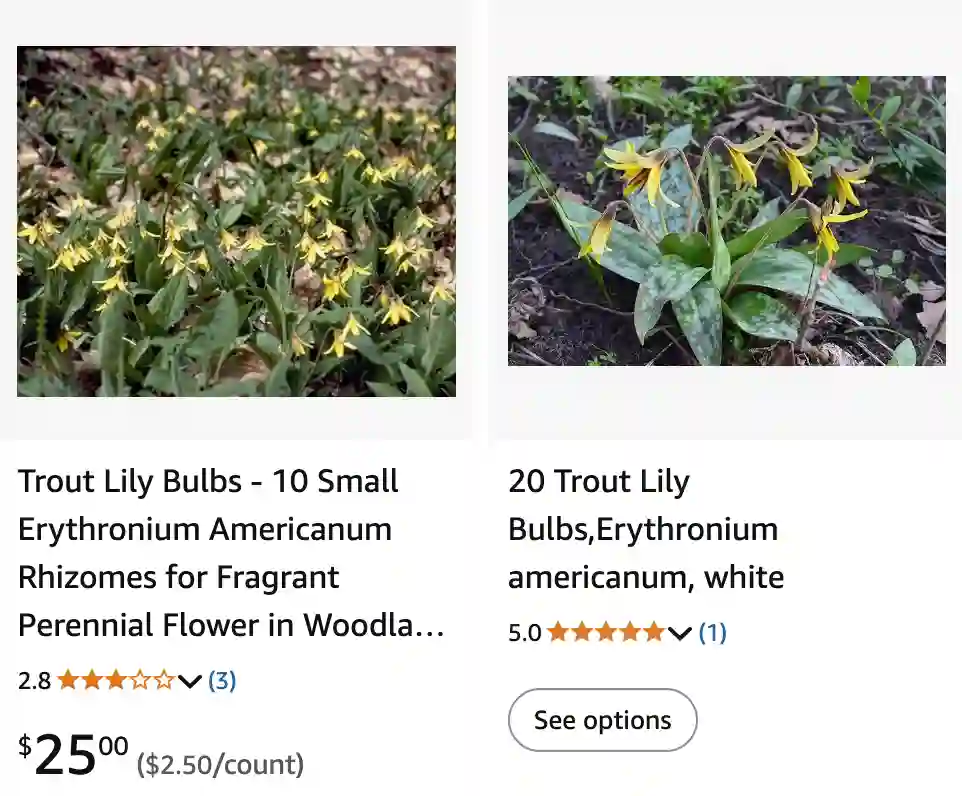
Hey, it’s Ferb Vu here. I’ve been passionate about woodland plants for years, and one gem I keep coming back to is Erythronium Americanum — also known as the Trout Lily or Yellow Dogtooth Violet. It’s a true native beauty that’s both delicate and striking in early spring. Over time, I’ve gathered a lot of practical experience and insights about this plant, so I thought I’d share a comprehensive FAQ to help fellow gardeners, nature lovers, or curious minds.
33 Species in Genus Erythronium
What Exactly Is Erythronium Americanum?
Erythronium Americanum is a spring-flowering perennial native to eastern North America. It’s part of the Liliaceae family, often called the lily family. Despite its common names like Trout Lily, it’s not a true lily but shares many traits with lilies.
What I love about it is how it emerges early, often carpeting forest floors with its mottled, trout-like leaves and nodding yellow flowers. This plant thrives in rich, moist, well-drained soil under deciduous canopies, making it a perfect understory species for shaded gardens or natural woodland areas.
How Does Erythronium Americanum Compare to Other Spring Ephemerals?
I often get asked how Erythronium Americanum stacks up against other spring ephemerals like Bloodroot (Sanguinaria canadensis) or Spring Beauty (Claytonia virginica). Here’s my take:
- Bloom Time: Erythronium blooms a little later than Bloodroot but often overlaps with Spring Beauty. The yellow nodding flowers are more conspicuous than the delicate white or pink petals of Spring Beauty.
- Foliage: The leaves are unique — speckled or mottled, resembling trout skin, which makes it stand out even when not flowering.
- Growth Habit: Unlike Bloodroot, which grows from rhizomes, Erythronium grows from a corm, a bulb-like underground storage organ. This means it can survive tougher winters and is relatively easy to propagate.
- Ecological Role: Like many native wildflowers, it plays a vital role in early-season pollinator support. It attracts bees and other native insects, which helps sustain the local ecosystem.
What Are the Ideal Growing Conditions for Erythronium Americanum?
From my experience, these plants thrive in environments that mimic their natural woodland habitat. Here are the conditions I’ve found ideal:
- Soil: Rich, organic, and well-draining soil is a must. I usually amend my garden soil with leaf mold or compost to mimic the humus-rich forest floor.
- Shade: Partial to full shade works best. They don’t tolerate full sun well unless the soil stays moist consistently.
- Moisture: Consistent moisture is key during the growing season, especially in spring. However, the corms need a dry rest period in summer to avoid rot.
- Temperature: Hardy to USDA zones 3 through 8, it handles cold winters well, provided the soil doesn’t stay waterlogged.
I’ve personally planted them under mature oak and maple trees, where the dappled sunlight feels just right.
Can I Grow Erythronium Americanum in a Garden Setting?
Absolutely. I have successfully integrated them into shaded garden beds. The key is to replicate their native environment as much as possible.
- Plant them in clusters rather than single bulbs — it looks more natural and helps with pollination.
- Mulch with shredded leaves or pine needles to keep the soil cool and retain moisture.
- Avoid disturbing the soil around the corms once established since they don’t like to be moved frequently.
- Consider companion plants like ferns, trilliums, and bloodroot that also thrive in woodland settings.
How Does Erythronium Americanum Reproduce?
Erythronium Americanum reproduces both sexually by seed and asexually by producing offsets (new corms). From my observations:
- Offsets: After flowering, the parent corm produces small cormlets that grow into new plants. This natural division helps colonies expand gradually.
- Seeds: The flowers produce seeds with elaiosomes, a fatty structure that attracts ants. Ants disperse these seeds underground, a process called myrmecochory. I think this mutualism is fascinating and crucial for their spread in natural habitats.
What Wildlife Benefits from Erythronium Americanum?
From my time observing woodland wildlife, this plant supports a surprisingly diverse group:
- Pollinators: Early spring bees, including bumblebees and mining bees, rely on its nectar and pollen.
- Ants: As seed dispersers, ants benefit by feeding on the elaiosomes.
- Deer and Herbivores: Interestingly, Trout Lilies are not highly favored by deer, making them a good choice in areas with heavy browsing.
Are There Any Common Problems or Pests?
Thankfully, Erythronium Americanum is quite resilient. However, I’ve noticed a few issues that can pop up:
- Slugs and Snails: They can nibble on the tender young leaves and flowers.
- Fungal Diseases: Overly wet or poorly drained soil can cause corm rot or leaf spots.
- Deer: While deer generally avoid it, in scarce food seasons, they might sample the foliage.
Regularly monitoring and maintaining good garden hygiene minimizes these risks.
How Does Erythronium Americanum Differ from Erythronium Pagoda?
People sometimes confuse Erythronium Americanum with Erythronium Pagoda, a popular Asian species. Here’s how I tell them apart:
- Flower Color: Erythronium Americanum sports bright yellow flowers, while Pagoda often has creamy white or pale yellow petals with a greenish tint.
- Leaf Pattern: Americanum leaves are distinctly mottled with dark brown or purple markings, resembling trout skin. Pagoda leaves tend to be more uniformly green.
- Growth Habit: Pagoda grows taller with multiple flowers per stem, whereas Americanum typically has a single flower per stem.
Can I Propagate Erythronium Americanum Myself?
Yes! I have propagated them through both seed sowing and division of corms.
- Seed Propagation: Sow fresh seeds in fall in a cold frame or shaded garden bed. Germination can take one or two years, so patience is key.
- Corm Division: In late summer after dormancy, carefully dig up the corm clusters and separate offsets. Replant immediately in suitable soil.
Why Should Gardeners Consider Planting Erythronium Americanum?
For me, the reasons are clear:
- It’s a beautiful native plant that supports local biodiversity.
- The unique trout-patterned leaves and bright yellow flowers bring early spring life and color to shady gardens.
- It’s relatively low-maintenance once established.
- It complements other woodland plants and enhances naturalistic landscaping.
If you love adding native charm and ecological value to your garden, Erythronium Americanum is a must-have.
Final Thoughts
Growing Erythronium Americanum has been rewarding for me, both aesthetically and ecologically. It connects me to the cycles of the forest floor and reminds me of spring’s quiet awakening. If you’re interested in woodland plants or native wildflowers, this trout lily is well worth your time.

If i die, water my plants!