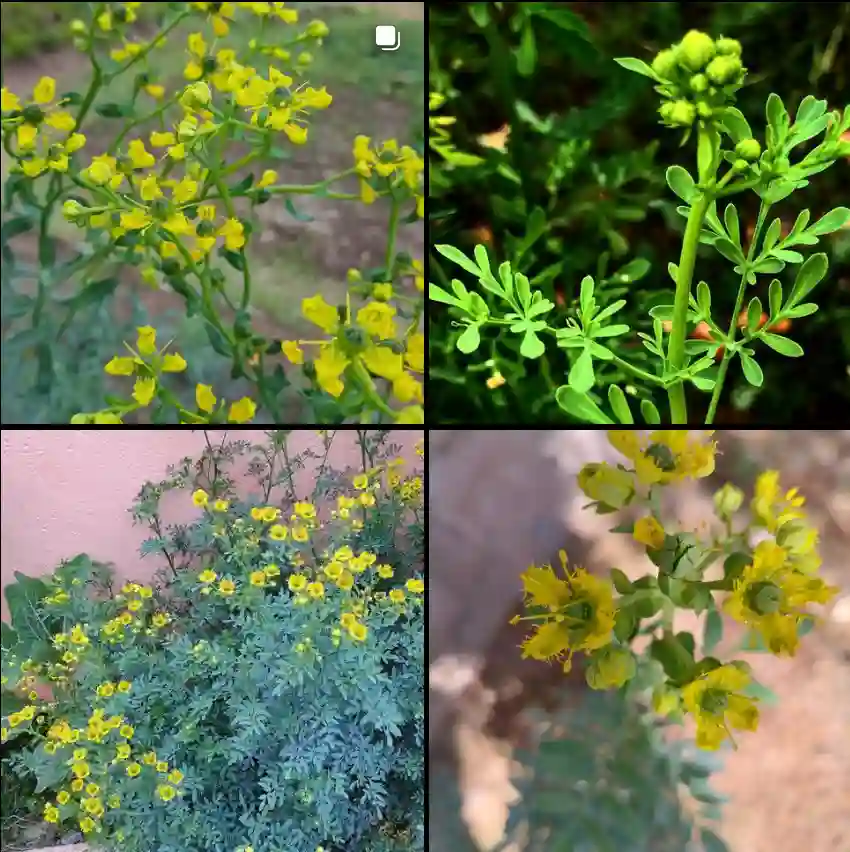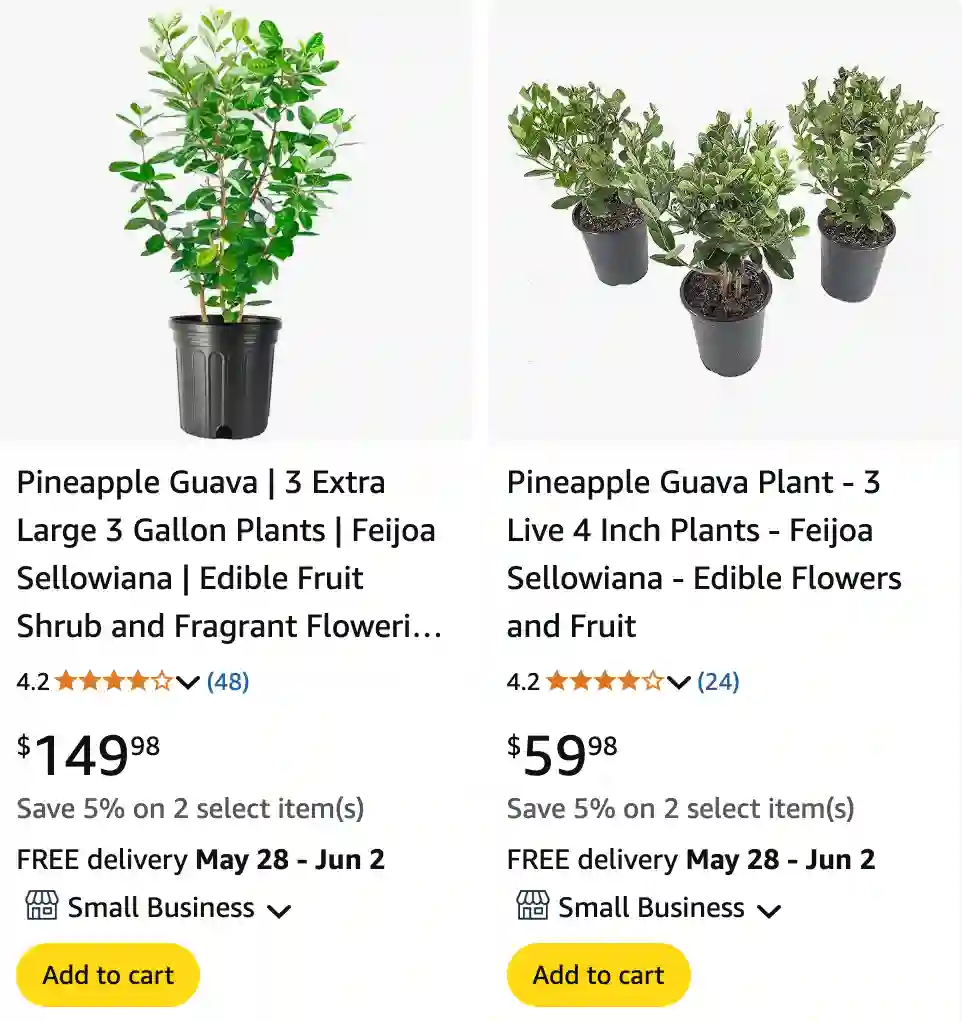
I’m Ferb Vu, and I’ve been growing Feijoa Sellowiana for some time now. This fascinating plant, also known as pineapple guava or guavasteen, has captured my interest with its exotic fruit, lovely flowers, and easy-care nature. I want to share my insights and answers to common questions about Feijoa Sellowiana based on my personal experience. Whether you’re curious about its growth habits, care needs, or how it compares to other fruiting plants, this FAQ will cover it all.
What Is Feijoa Sellowiana?
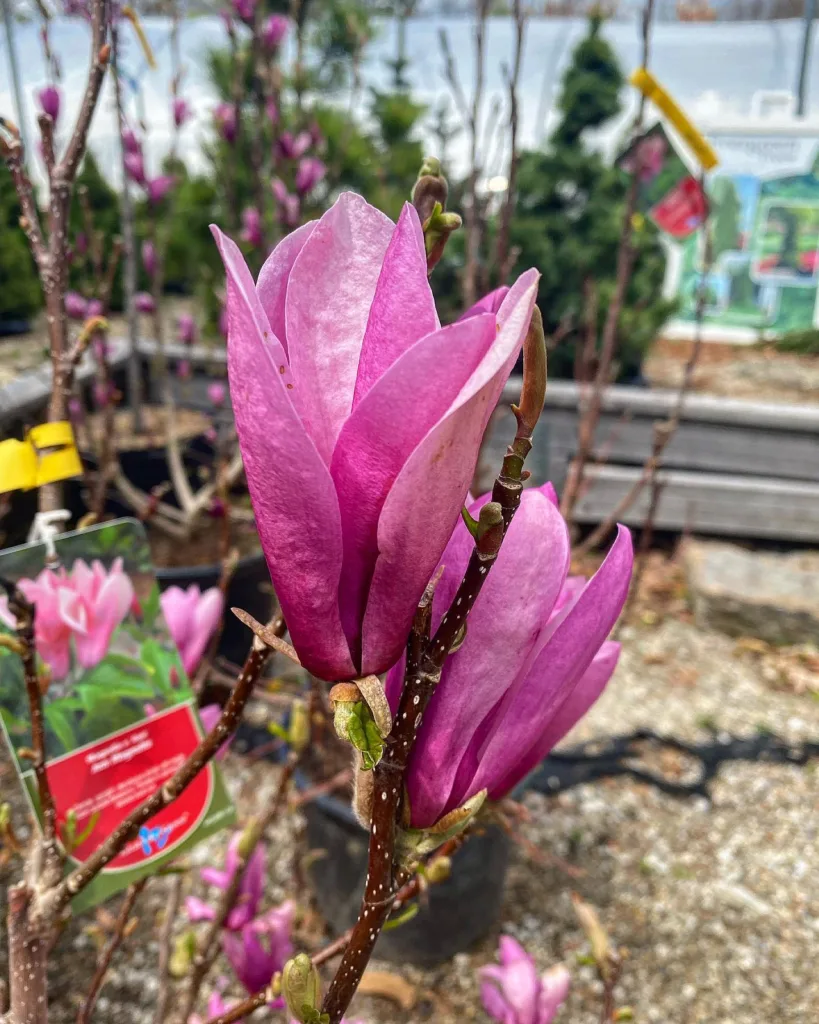
Feijoa Sellowiana is a subtropical evergreen shrub or small tree. Native to South America, especially Brazil, Uruguay, and Paraguay, it produces unique edible fruits with a sweet, aromatic flavor that tastes like a mix of pineapple, guava, and strawberry. The plant is also admired for its showy pink and white flowers, which attract pollinators like bees and hummingbirds.
Growing Feijoa is rewarding because it combines ornamental beauty with delicious harvests. It’s a versatile plant that fits well in many garden styles.
How Does Feijoa Sellowiana Compare to Guava or Pineapple?
I often get asked if Feijoa is similar to regular guava or pineapple since the fruit flavor overlaps. Here’s what I’ve noticed:
- Compared to Guava (Psidium guajava): While guava is more tropical and produces larger fruits with a smooth skin, Feijoa thrives better in subtropical to mild temperate climates. Feijoa fruits have a grainy texture inside, like a pear, and a stronger, more aromatic flavor than guava. Guava leaves and Feijoa leaves differ, too; guava leaves are more lance-shaped, while Feijoa leaves are thick, leathery, and silver-green underneath.
- Compared to Pineapple (Ananas comosus): Pineapple is a tropical bromeliad and grows very differently, in rosettes close to the ground. Feijoa’s pineapple flavor is more subtle and combined with floral and guava notes. The Feijoa fruit grows on woody branches, not on a rosette.
Feijoa fits a unique niche: a subtropical fruit that can handle cooler winters better than tropical guava or pineapple, which is great if you live in a climate with mild frost.
What Kind of Climate Does Feijoa Sellowiana Need?
From my experience, Feijoa grows best in USDA hardiness zones 8 through 11. It prefers mild winters but can tolerate light frosts once mature. When I first started, I was worried about cold damage, but my Feijoa survived 20°F (-6°C) winters with minor leaf browning.
Feijoa likes full sun but can handle partial shade, though fruit production may reduce. It appreciates well-draining soil and does well in slightly acidic to neutral pH.
How Do I Care for My Feijoa Sellowiana?
Caring for Feijoa is relatively straightforward. Here’s what I follow:
- Watering: It’s drought-tolerant once established but grows best with regular watering, especially during flowering and fruiting. Overwatering can cause root rot, so balance is key.
- Fertilizing: I feed mine with a balanced fertilizer in early spring and again in midsummer to promote healthy growth and fruit set.
- Pruning: Light pruning after fruiting helps shape the plant and remove dead wood. I avoid heavy pruning, which can reduce flowering next season.
- Pest and Disease: Feijoa is generally hardy. I keep an eye out for scale insects and aphids, which I manage with insecticidal soap. Fungal diseases are rare if the plant is well-ventilated.
How Long Does It Take for Feijoa to Produce Fruit?
Patience is important. Feijoa Sellowiana usually begins to bear fruit in 3 to 5 years if grown from seed. Grafted plants may fruit earlier, sometimes within 2 years. My first harvest was about the fourth year, and the yield increased steadily afterward.
The fruits mature in late fall to early winter, depending on your climate. They drop when ripe, so I recommend checking the ground often during harvest season.
Can Feijoa Sellowiana Self-Pollinate, or Do I Need More Plants?
Feijoa flowers require cross-pollination for optimal fruit set. I learned that planting at least two genetically different Feijoa varieties nearby improves fruit yield. The flowers open for a short time, and pollinators like bees and hummingbirds are essential.
If you have only one plant, you might still get some fruit, but the harvest will be limited. Some cultivars, like ‘Mammoth’ and ‘Coolidge,’ are known to be better pollinators.
What Are Common Uses for Feijoa Fruit?
I love how versatile Feijoa fruit is. You can:
- Eat it fresh by cutting in half and scooping out the pulp.
- Make jams, jellies, and preserves.
- Use in smoothies or desserts for a tropical twist.
- Add to salads or sauces for a unique flavor.
Its aroma is strong and sweet, which some people adore and others find unusual. In my kitchen, Feijoa always sparks curiosity and compliments.
How Does Feijoa Sellowiana Compare to Other Subtropical Fruit Plants Like Loquat or Passionfruit?
Feijoa is sturdier and more frost-tolerant than many subtropical fruits. For example:
- Compared to Loquat (Eriobotrya japonica): Both are evergreen and subtropical, but loquat fruits earlier in the year, around spring, and have a smoother texture. Feijoa fruits later and have a more aromatic and complex flavor.
- Compared to Passionfruit (Passiflora edulis): Passionfruit is a vine with tropical origins, more sensitive to cold. Feijoa is a shrub/tree with a broader climate tolerance. The fruit flavors are very different—passionfruit is tangy and tart, while Feijoa is sweet and floral.
I find Feijoa more forgiving to grow in temperate gardens and a nice addition if you want year-round fruit diversity.
What Are Some Challenges I’ve Faced Growing Feijoa?
No plant is perfect. Here are some issues I encountered:
- Slow start: Feijoa seedlings grow slowly, so you need patience.
- Pollination: Without a second plant, fruit yield is low.
- Pests: Scale and aphids sometimes bother the plant, but manageable.
- Fruit drop: Sometimes immature fruits drop if conditions aren’t ideal, especially if drought stress or nutrient deficiency occurs.
Final Thoughts on Feijoa Sellowiana
Growing Feijoa Sellowiana has been a gratifying journey for me. Its unique fruit, beautiful flowers, and adaptability to subtropical and mild temperate climates make it a fantastic plant for home gardeners seeking something different. It bridges the gap between tropical and temperate fruit plants, offering aromatic flavor with relative ease of care.

If i die, water my plants!