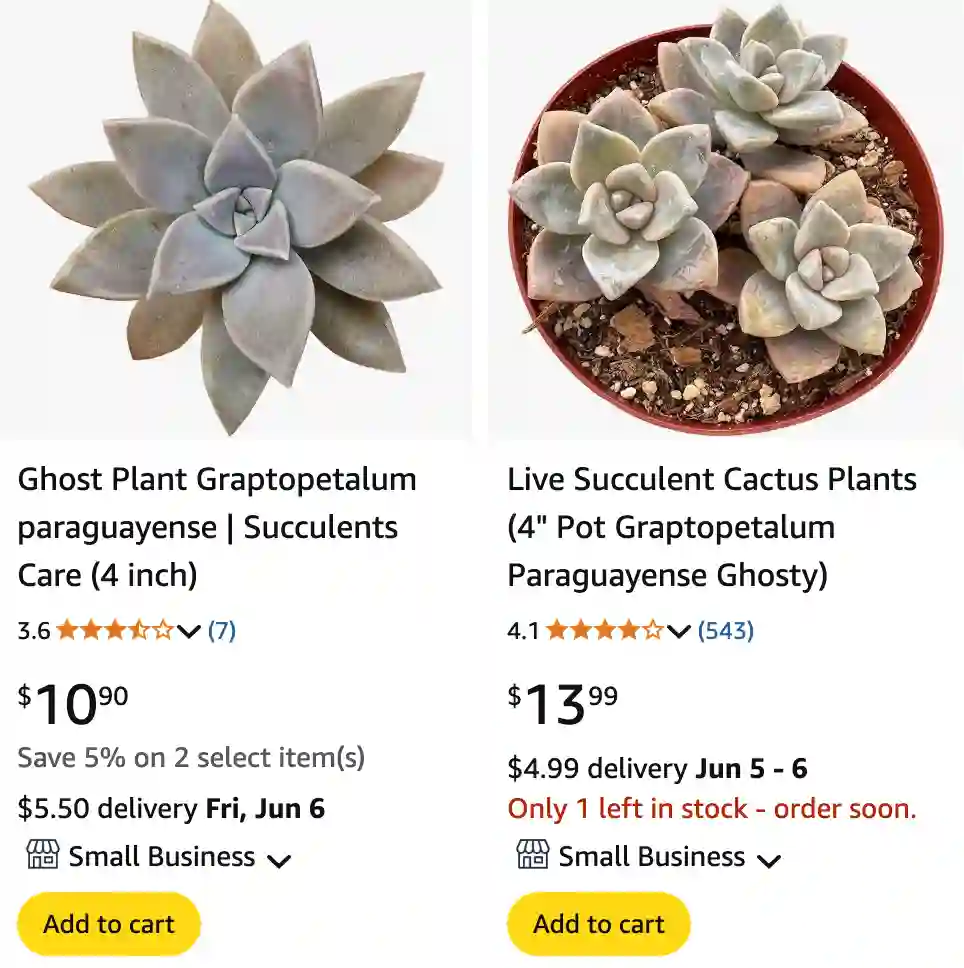
If you’ve ever stumbled upon Graptopetalum Paraguayense, also known as the Ghost Plant, you might already know it’s a succulent with a subtle charm. I’ve grown and cared for this succulent for quite some time, and I’d like to share answers to some of the most common questions I’ve encountered. Whether you’re a beginner or have some experience with succulents, I hope my insights help you appreciate and care for Graptopetalum Paraguayense better.
How to Care for Graptopetalum Paraguayense
One of the first questions people ask me is: How to care for Graptopetalum Paraguayense? It’s a simple succulent but does have specific needs that make it thrive.
Light
From my experience, Graptopetalum Paraguayense loves bright, indirect sunlight. It’s best to provide it with at least 4-6 hours of light daily. I keep mine near a south-facing window where it gets plenty of morning sun but is shaded from harsh afternoon rays. Too much direct sunlight can cause the leaves to scorch, turning them an unattractive reddish or brown. But too little light leads to leggy, stretched-out growth.
Watering
Watering this succulent is straightforward but easy to mess up. The key is to water deeply but infrequently. I water mine once every 10 to 14 days during the growing season (spring and summer) and reduce watering in winter to once a month or less. Always let the soil dry out completely before watering again to avoid root rot. Graptopetalum Paraguayense stores water in its plump leaves, so it’s drought tolerant.
Soil and Drainage
I use a well-draining cactus or succulent mix for my Graptopetalum Paraguayense. Adding perlite or pumice improves drainage, which is crucial because soggy soil can quickly kill the plant. A pot with drainage holes is a must. Over the years, I’ve seen many plants fail because of poor drainage.
Temperature and Humidity
This succulent prefers temperatures between 65°F and 80°F (18°C to 27°C). It can tolerate cooler temperatures down to about 40°F (4°C) but not frost. I keep mine indoors during colder months to avoid any chill damage. Graptopetalum Paraguayense doesn’t need high humidity and actually prefers dry air, which makes it perfect for most homes.
What Makes Graptopetalum Paraguayense Unique?
I often get asked what sets this plant apart. The ghostly, pale gray to bluish leaves with a powdery coating give it a unique frosted appearance. The leaves grow in a rosette shape that can slowly trail or cascade if given space. It also produces small star-shaped white to pale pink flowers in spring or summer, adding a delicate charm.
This succulent’s adaptability is impressive. Whether potted or planted in a rock garden, it performs well with minimal fuss — as long as you respect its basic care needs.
Can Graptopetalum Paraguayense Be Propagated Easily?
Absolutely! One of my favorite things about this plant is how easy it is to propagate. You can do this from leaves, stem cuttings, or offsets.
- Leaves: I gently twist off a healthy leaf, let it callous for a day or two, then place it on top of dry soil. In a few weeks, you’ll see tiny roots and new rosettes forming.
- Stem Cuttings: Cut a healthy stem, let it callous, then plant it in well-draining soil. Water sparingly until roots develop.
- Offsets: Sometimes Graptopetalum Paraguayense produces little baby plants at the base. You can gently separate and replant them.
Propagation is a rewarding way to expand your collection or share plants with friends.
What Are Common Problems With Graptopetalum Paraguayense?
In my experience, the most common issues are:
- Overwatering: This causes root rot and mushy leaves. If leaves start turning black or translucent, reduce watering immediately.
- Etiolation: If the plant gets too little light, it stretches out looking leggy and weak. Move it to a brighter spot.
- Pests: Graptopetalum Paraguayense is generally pest-resistant, but sometimes mealybugs or aphids show up. A simple wipe with rubbing alcohol or insecticidal soap works well.
- Leaf Drop: Stress from sudden changes in light or temperature may cause leaves to drop. This is normal but keep conditions stable to avoid stress.
Can Graptopetalum Paraguayense Be Grown Outdoors?
If you live in a mild climate without harsh winters or extreme humidity, growing this succulent outdoors is a great option. I have seen it thrive in Mediterranean-like climates. It prefers rock gardens, succulent borders, or even hanging baskets where its trailing stems can shine.
If your area gets frost, bring it indoors during cold months or grow it in a container so you can move it easily.
Final Thoughts
Graptopetalum Paraguayense is a resilient, attractive succulent that rewards minimal but thoughtful care. From providing bright indirect light to watering carefully and choosing the right soil, the basics are simple. Its ease of propagation and unique frosted appearance make it a favorite in my collection.
I hope my insights on how to care for Graptopetalum Paraguayense help you grow this beautiful succulent confidently. If you’re just starting out or want a low-maintenance plant with a cool look, give this ghost plant a chance. It’s been a satisfying part of my succulent journey, and I’m sure it can be a highlight in yours too.

If i die, water my plants!