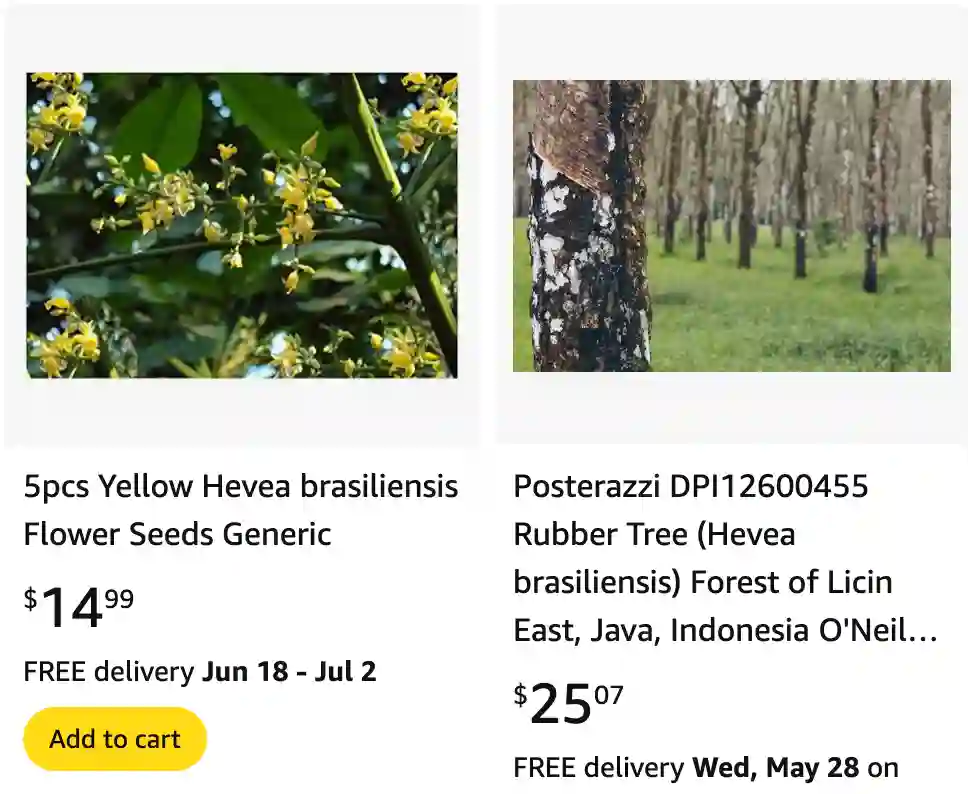
I’ve always been fascinated by the incredible diversity of plants. One species that stands out in both economic value and botanical interest is Hevea Brasiliensis, better known as the rubber tree. Over the years, I’ve encountered many questions about this species, so I thought I’d answer some of the most common ones here—from pronunciation to comparisons with other popular plants like Ficus Elastica.
How to Pronounce Hevea Brasiliensis
Let’s get this out of the way first. It’s a question I hear often: how to pronounce Hevea Brasiliensis?
It’s pronounced “HEE-vee-uh bruh-sil-ee-EN-sis.”
The first word, Hevea, comes from the Tupí language, referring to rubber-producing trees. The second word, Brasiliensis, simply means “from Brazil” in Latin.
Once you get the pronunciation right, saying it becomes second nature—especially if you’re like me and talk about plants more than most people talk about sports.
What is Hevea Brasiliensis?
In short, Hevea Brasiliensis is the primary source of natural rubber.
This tree is native to the Amazon rainforest but is now widely cultivated in tropical regions like Southeast Asia and West Africa. It’s part of the Euphorbiaceae family, which includes plants like the cassava and poinsettia.
The tree produces a milky sap called latex, which is tapped from its bark. Once processed, this latex becomes the elastic, flexible rubber used in everything from tires to gloves.
From a botanical standpoint, Hevea Brasiliensis is a deciduous tree that can reach up to 100 feet in height. It thrives in hot, humid climates with well-drained soil. The leaves are compound, typically with three leaflets, and the tree flowers annually. While not commonly grown as an ornamental plant, its ecological and industrial importance can’t be overstated.
Hevea Brasiliensis vs Ficus Elastica
Now here’s a comparison I’ve made more than once—Hevea Brasiliensis vs Ficus Elastica.
They’re both called “rubber trees,” but they’re fundamentally different species. Ficus Elastica, also known as the Indian rubber plant, is a member of the Moraceae family, related to figs. It’s popular as a houseplant due to its large, glossy leaves and ability to tolerate low light.
Hevea Brasiliensis, on the other hand, is a true industrial crop. It produces latex in large quantities, whereas Ficus Elastica yields minimal rubber and is not used commercially for that purpose today.
Another key difference lies in their growth habits and care needs. Ficus Elastica adapts well indoors and requires less humidity, while Hevea Brasiliensis prefers tropical outdoor environments and won’t do well in most indoor settings.
So, if you’re after natural rubber, Hevea Brasiliensis is your plant. But if you want a stylish houseplant, go for Ficus Elastica.
Why is Hevea Brasiliensis Important?
Its importance extends beyond botany. Hevea Brasiliensis powers global industries. Think aviation, automotive, medicine—you name it.
Natural rubber has properties that synthetic rubber can’t match: superior elasticity, resistance to wear, and flexibility in extreme temperatures. Even with modern synthetics, demand for natural rubber remains high, especially in countries with booming manufacturing sectors.
For me, understanding the source of materials we use every day builds appreciation. It reminds us that many of our modern comforts are rooted—quite literally—in nature.
Where is Hevea Brasiliensis Grown Today?
Although it originated in Brazil, the world’s largest producers are now in Thailand, Indonesia, and Malaysia.
Plantations are carefully managed to optimize latex output while ensuring tree health. A mature tree can be tapped every few days and may produce latex for over 25 years.
Environmental sustainability is becoming a growing concern, though. I always recommend checking if the rubber in your products comes from sustainably managed sources, especially with ongoing deforestation debates.
Is Hevea Brasiliensis Edible or Toxic?
This one’s crucial. Hevea Brasiliensis is not edible, and parts of the plant—especially its latex—can be toxic if ingested. The latex can also cause skin irritation in some individuals. Always use gloves when handling latex or during pruning.
Conclusion
To me, Hevea Brasiliensis is more than just a rubber tree—it’s a symbol of how plants shape civilizations. From its Amazonian roots to sprawling plantations across Asia, it stands at the intersection of nature, industry, and sustainability.

If i die, water my plants!