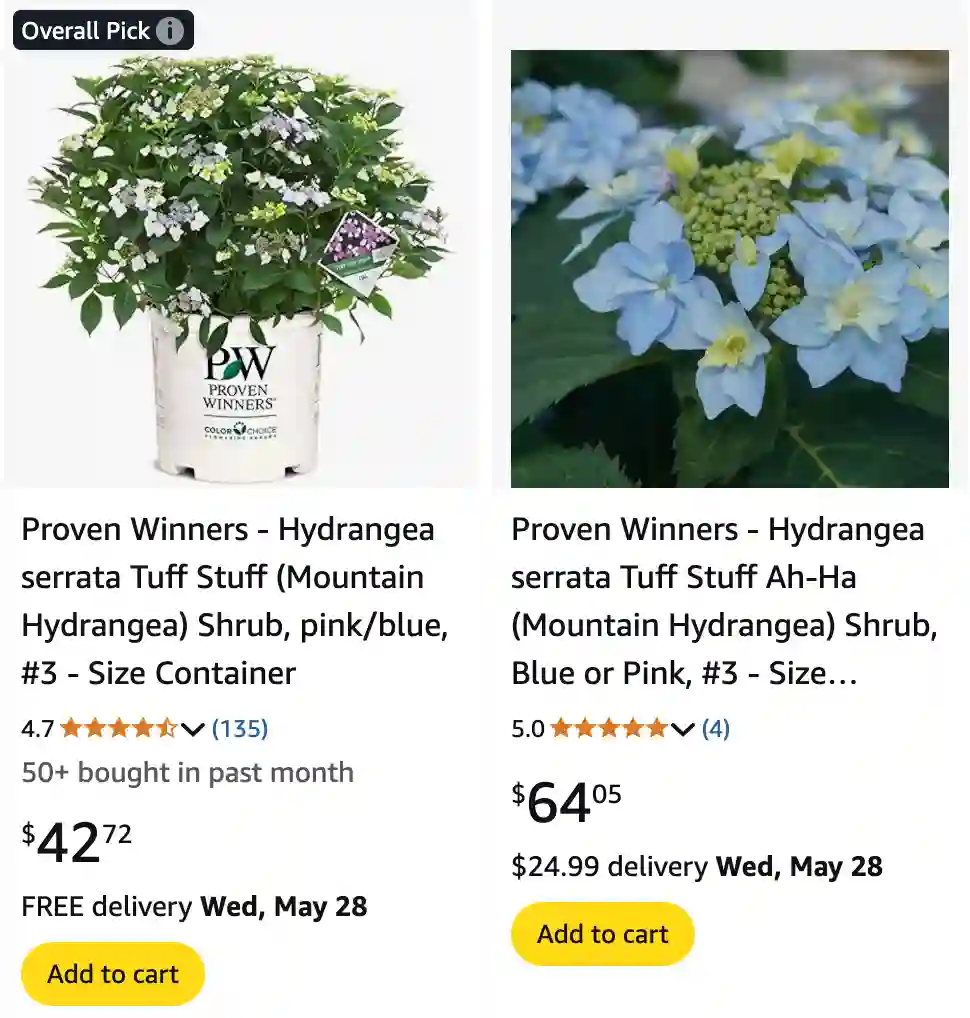
I’ve always been fascinated by Hydrangea Serrata. As someone who has grown and cared for these beautiful shrubs, I want to share what I’ve learned. Hydrangea Serrata, often called mountain hydrangea, is a wonderful choice for gardeners who want delicate blooms and manageable size. But like any plant, it comes with questions. In this article, I’ll dive into the most frequently asked questions about Hydrangea Serrata — from care tips to comparisons, including the popular debate: Hydrangea Serrata vs Macrophylla.
What is Hydrangea Serrata?
Hydrangea Serrata is a deciduous shrub native to the mountainous regions of Korea and Japan. It’s closely related to the more common Hydrangea Macrophylla but has distinct differences that make it appealing for certain gardens. Serrata tends to be more compact and delicate, with smaller leaves and lacecap flower heads that bloom in shades of blue, pink, or white depending on soil pH.
In my experience, Serrata’s subtle elegance is perfect for shaded garden spots where you want a splash of color without the overwhelming presence of larger shrubs. Their bloom time is usually mid to late summer, lasting several weeks.
How Do I Care for Hydrangea Serrata?
One of the biggest draws for me is how relatively easy Hydrangea Serrata is to care for. Here’s what I do:
- Light: They prefer partial shade. Too much sun can scorch the leaves, but too little light reduces blooming.
- Soil: Well-draining, rich in organic matter. Hydrangeas love moist soil but don’t like sitting in water.
- Watering: Keep the soil consistently moist, especially in hot summer months. I water deeply once or twice a week.
- Pruning: I prune immediately after flowering. Serrata blooms on old wood, so cutting too late means you lose next year’s flowers.
- Fertilizing: Use a balanced fertilizer in spring to encourage strong growth and flowering.
With these simple steps, I’ve found Serrata to be a forgiving plant that rewards attention.
Hydrangea Serrata vs Macrophylla: What’s the Difference?
This is one comparison I get asked about all the time. Hydrangea Serrata and Macrophylla are close relatives but have some important differences that can affect your garden choice.
Size and Growth Habit
Hydrangea Serrata tends to be smaller and more compact. I’ve seen Serrata reach around 3 to 5 feet in height, making it perfect for smaller spaces or mixed borders. On the other hand, Macrophylla can grow much larger — sometimes up to 6 or 8 feet tall and wide. If you want a shrub that’s more manageable, Serrata wins for me.
Flower Type
Serrata features lacecap flowers, which means you see a flat cluster with small fertile flowers in the center surrounded by larger sterile blooms. It gives a delicate, airy appearance. Macrophylla usually produces mophead flowers, which are round and dense. I personally prefer the lacecap look for its understated charm.
Hardiness and Adaptability
In my experience, Serrata is a bit more cold hardy and adapts better to mountainous or cooler climates. Macrophylla prefers milder conditions and can struggle in colder zones. So if you live in a place with harsh winters, Serrata might be your best bet.
Color Variation
Both species respond to soil pH changes, with acidic soils producing blue flowers and alkaline soils producing pink. However, Serrata’s color shifts are usually softer and more subtle, while Macrophylla’s colors tend to be more vivid.
Can Hydrangea Serrata Change Flower Color?
Yes! One of the fun things about Hydrangea Serrata is that its flower color can change based on soil acidity. When the soil is acidic (pH below 6), you get blue or lavender flowers. When the soil is more alkaline (pH above 7), the flowers turn pink.
I like to test my soil and add amendments accordingly. For bluer flowers, I add aluminum sulfate. For pink hues, I add lime to raise the pH. This natural color change fascinates me and adds a layer of interaction with the plant.
Does Hydrangea Serrata Require Full Sun?
Not really. Hydrangea Serrata thrives best in part shade, especially in warmer climates. I usually plant mine where it gets morning sun and afternoon shade. Full sun exposure can stress the plant, leading to leaf scorch and reduced blooming.
If you live in a cooler region, a sunnier spot can work, but you must keep the soil moist.
How Long Do Hydrangea Serrata Blooms Last?
In my garden, Hydrangea Serrata blooms usually last 4 to 6 weeks. Bloom time typically starts in early to mid-summer and sometimes continues into early fall. Proper care like consistent watering and avoiding late pruning helps maximize bloom duration.
Are There Popular Hydrangea Serrata Varieties?
Yes! Some varieties I’ve grown or heard great things about include:
- ‘Bluebird’ — Known for vibrant blue lacecap flowers.
- ‘Tiara’ — Has delicate pink blooms with a neat compact habit.
- ‘Preziosa’ — Produces deep pink flowers with blue edges.
- ‘Mount Shasta’ — Compact and cold hardy, great for colder climates.
Each variety has subtle differences in flower color, leaf size, and growth habit. It’s fun to explore and find the one that fits your garden vibe.
Do Hydrangea Serrata Attract Wildlife?
Yes, they do. The flowers attract pollinators like bees and butterflies. While they’re not a heavy nectar source, I’ve noticed that Serrata adds valuable biodiversity to my garden ecosystem.
Final Thoughts
Hydrangea Serrata offers a charming, versatile option for gardeners seeking a smaller hydrangea with delicate blooms and interesting color shifts. When I weigh it against Hydrangea Macrophylla, the smaller size, lacecap flowers, and hardiness make Serrata a personal favorite.
If you want a plant that blends well into shaded spaces and rewards you with weeks of color, Serrata is worth considering. Plus, the ability to influence flower color through soil amendments adds a fun, interactive element to growing these shrubs.

If i die, water my plants!