Hi, I’m Ferb Vu, and I’ve spent years immersed in the world of ornamental and native plants. One species that continues to fascinate me, both in the garden and in cultural symbolism, is Ilex Aquifolium—commonly known as the English Holly. In this article, I’ll answer the most frequently asked questions about this classic evergreen shrub, based on my own hands-on experience. Whether you’re curious about its uses, care, or ecological value, I’ve got you covered.
What Is Ilex Aquifolium?
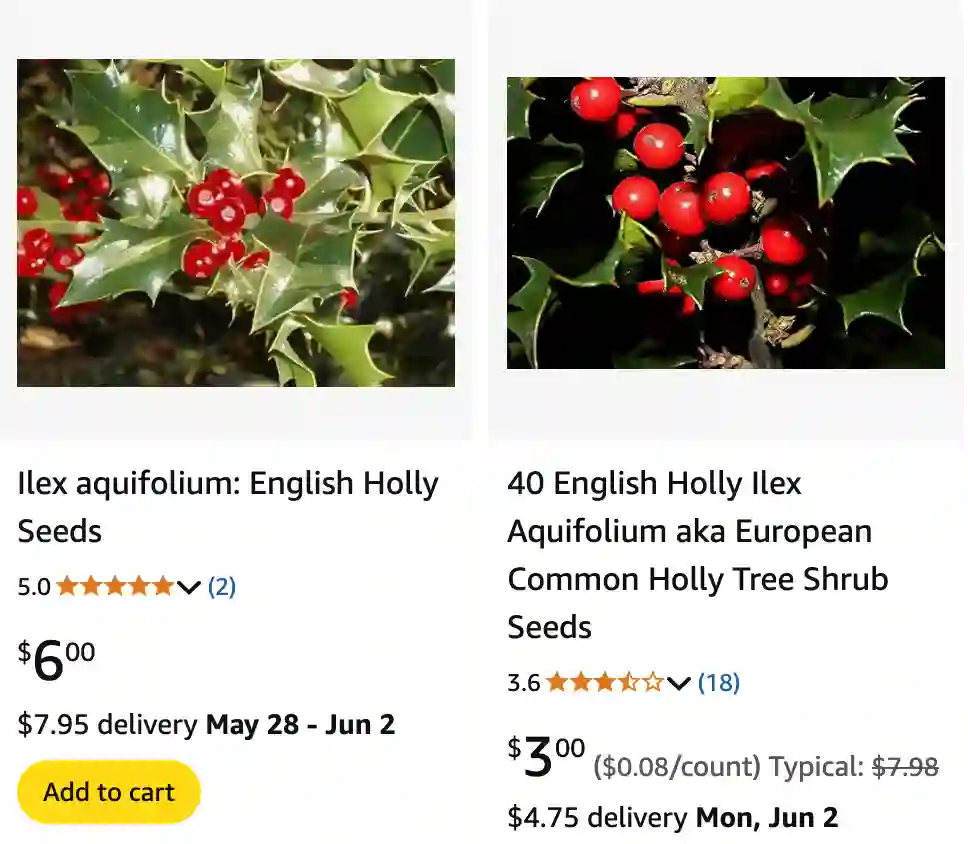
This is usually the first question people ask me. Ilex Aquifolium is a broadleaf evergreen shrub or small tree native to western and southern Europe, North Africa, and western Asia. It’s most recognized for its glossy, spiny, dark green leaves and bright red berries, making it a staple in winter landscapes and holiday decorations.
Botanically, it belongs to the Aquifoliaceae family and thrives in USDA zones 6–9. Its scientific name, “Aquifolium,” actually means “needle leaf,” which makes sense once you touch those sharp leaf edges!
Is Ilex Aquifolium Poisonous?
Yes—and no. The berries are mildly toxic to humans and pets if ingested in large quantities, often causing nausea or vomiting. However, birds such as thrushes and blackbirds feast on them with no trouble, spreading the seeds naturally. In my garden, it’s a favorite for local wildlife, so I grow it with caution around kids or pets but with appreciation for its ecological role.
Can You Grow Ilex Aquifolium From Seed?
You can—but it tests your patience. I once started some from seed, and it took nearly two years to germinate. The seeds require stratification, meaning they need a cold, moist period to break dormancy. If you’re not in a rush, growing from seed gives you stronger root development and potentially unique characteristics. But for most gardeners, cuttings or nursery transplants are more practical.
Does It Require Pruning?
Yes, but only lightly. I prune mine in late winter to maintain a dense, tidy shape. Be careful not to overdo it—Ilex Aquifolium responds best to modest cuts. Also, keep in mind that it’s dioecious, meaning male and female flowers grow on separate plants. Only females produce berries, and they need a nearby male for pollination. If you prune out too many flowering branches, especially on a female plant, you risk reducing your berry production.
Is It Invasive?
This one surprises many people. While it’s a beloved ornamental in Europe and North America, English Holly can be invasive, particularly in the Pacific Northwest. It spreads aggressively through seed dispersal and root suckers. I manage this by harvesting berries before they fall and cutting suckers early. In some areas, local ordinances even restrict its planting.
How Do You Use Ilex Aquifolium in Landscaping?
I personally use it as a privacy screen, especially the variegated cultivars like ‘Silver Queen’ or ‘Golden King.’ These have striking leaf colors and add winter interest to drab corners. It also pairs well with boxwoods, yews, and other evergreen shrubs in formal gardens. I always advise placing it where it has well-drained soil and dappled sunlight, though it tolerates full sun or partial shade.
Are There Other Uses for Ilex Aquifolium?
Definitely. Beyond its garden use, Ilex Aquifolium wood is hard and fine-grained, once used for furniture inlays and woodcuts. In folklore and traditions, it’s associated with Christmas and protection against evil. I decorate my home with sprigs of holly each December—it’s not just beautiful but also steeped in meaning.
Does It Attract Wildlife?
Absolutely. This plant is a magnet for biodiversity. Bees love the small white flowers in spring, while birds rely on its berries in winter. The dense foliage offers safe nesting spaces. If you’re interested in wildlife gardening like I am, English Holly is a strategic addition.
Final Thoughts
Ilex Aquifolium is far more than just a holiday decoration. It’s a plant of history, habitat, and horticultural elegance. If you’ve ever wondered what is Ilex Aquifolium beyond its red-and-green façade, I hope these FAQs gave you a deeper understanding.
For me, it’s a plant that teaches patience, rewards care, and offers beauty year-round. Just respect its boundaries, give it space, and let it work its evergreen magic.

If i die, water my plants!