I’ve always had a soft spot for native woodland perennials, and Iris Cristata—commonly called the Dwarf Crested Iris—is high on my list. Its delicate blue blooms and low-growing habit make it perfect for shady gardens, naturalistic landscapes, and native plant lovers like me. If you’re curious about this little gem, you’re not alone. Here are the most common questions I get about it.
332 Species in Genus Iris
What Is Iris Cristata?
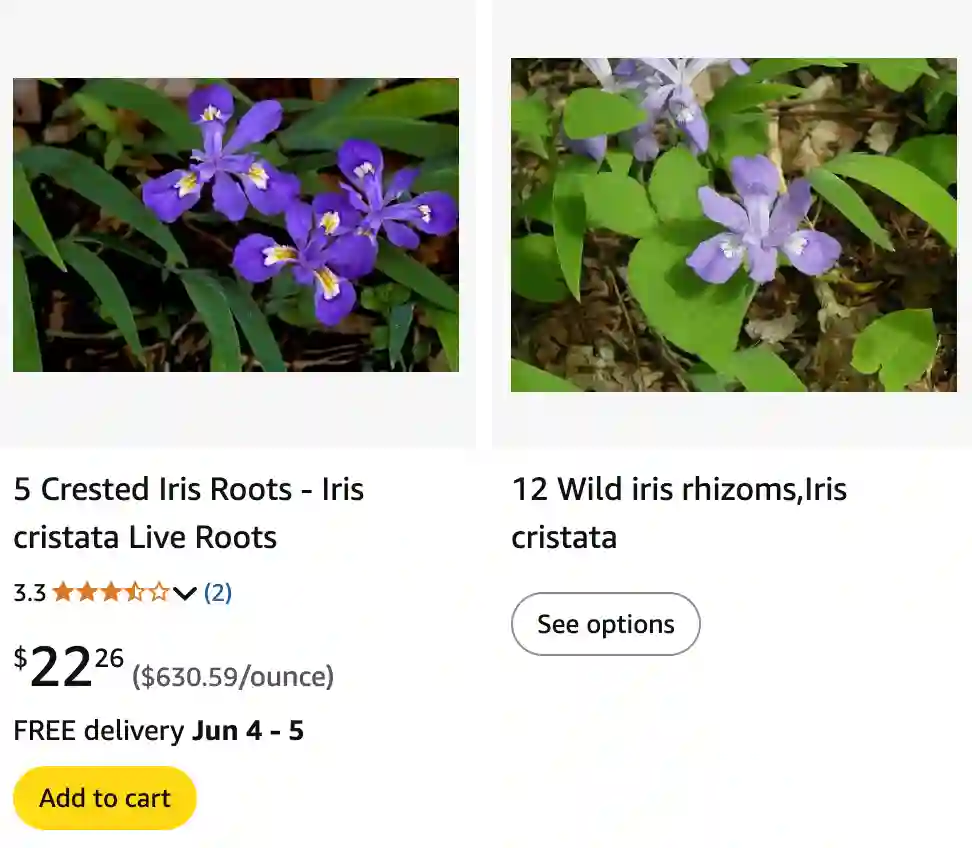
Iris Cristata is a low-growing, deciduous perennial native to the eastern United States. It’s a member of the Iridaceae family, known for its soft violet to lavender blooms with golden crests that appear in early to mid-spring. The flowers rise above sword-like, green foliage that spreads through rhizomes, forming a ground-hugging mat.
The plant stays under 6 inches tall, which makes it an excellent ground cover for woodland gardens, slopes, and under tall trees. I grow mine along a shaded path with ferns and trilliums, and the effect in spring is unforgettable.
Where Does Iris Cristata Grow Best?
This iris thrives in part shade to full shade. Think moist, well-drained, humus-rich soil—like what you’d find on a forest floor. I’ve noticed it handles occasional dry spells once it’s established, but it does best with consistent moisture during its growing season.
If you’re in USDA hardiness zones 3–8, you’re in luck. I’ve had great success growing it in my Zone 7 garden where summers get hot but the tree canopy protects it well.
How Is Iris Cristata Different from Bearded Iris?
This is one of the most frequent comparisons I get. While both are members of the Iris genus, they’re worlds apart in appearance and care:
- Height: Iris Cristata is only 4–6 inches tall. Bearded iris can tower over two feet.
- Light: Iris Cristata thrives in shade. Bearded iris demands full sun.
- Soil: Cristata prefers moist, woodsy soil. Bearded iris needs drier, well-draining soil.
- Bloom Time: Both bloom in spring, but Cristata blooms earlier and is more subtle.
I keep my Bearded Iris (Iris germanica) out front in full sun. My Cristata stays in the shady backyard where it can mimic its natural habitat. I love them both—but for different reasons.
How Do I Plant and Maintain Iris Cristata?
Planting is easy. I dig a shallow hole and spread the rhizomes horizontally, just below the soil surface. Spacing them about 12 inches apart allows them room to spread without crowding.
Maintenance is low. Here’s my quick checklist:
- Water during dry spells.
- Mulch with leaf litter or shredded bark in fall to mimic forest soil.
- Divide every 3–4 years in early fall to prevent overcrowding.
- No deadheading needed—just trim back spent foliage after bloom if desired.
I don’t fertilize mine heavily. A light compost top-dressing in early spring is usually enough to keep it blooming year after year.
Is Iris Cristata Invasive?
Good question. While it spreads, I wouldn’t call it invasive. It’s a native plant with a slow, polite spread. I find it perfect for naturalized settings, especially where I want to suppress weeds or fill in tough shady spots.
That said, it can spread beyond its planting area over time. I keep mine in check by edging the beds in late summer if needed. Compared to aggressive ground covers like vinca or ivy, it’s downright well-mannered.
Can Iris Cristata Be Grown in Containers?
Yes, and I’ve done it. Use a shallow, wide container with good drainage. Add a rich, loamy potting mix and place the pot in part shade. Water more regularly since containers dry out faster.
I love placing potted Cristata on a shady patio or nestled among other shade perennials. It adds a wild, native touch to my container displays.
How Does Iris Cristata Compare to Blue-Eyed Grass or Violets?
I often plant Blue-Eyed Grass (Sisyrinchium angustifolium) and Common Blue Violet (Viola sororia) near Iris Cristata. Here’s how they compare:
| Feature | Iris Cristata | Blue-Eyed Grass | Common Violet |
|---|---|---|---|
| Height | 4–6 in | 6–12 in | 4–8 in |
| Light | Shade | Full sun to part shade | Shade |
| Bloom | Lavender, early spring | Blue, late spring | Purple, spring |
| Spread | Rhizomes | Clumping | Self-seeding |
All three are native to North America, attract pollinators, and work well in woodland gardens. But Iris Cristata is by far the most elegant in bloom form, in my opinion.
Does Iris Cristata Attract Pollinators?
Yes, and that’s one of the reasons I love growing it. The flowers are especially attractive to early-season bees and small pollinators. I’ve seen solitary bees and even tiny butterflies hovering around the blooms. It adds more ecological value to the garden than non-native ground covers.
Final Thoughts on Iris Cristata
Iris Cristata is an understated powerhouse. It brings seasonal color, wild charm, and low-maintenance appeal to shaded areas where other plants struggle. It also plays nicely with native ferns, trilliums, and wild ginger, creating a true woodland tapestry.
Whether you’re planting it for its soft lavender blooms, ecological value, or simply as a living carpet in your shade garden, this native iris is a plant I always recommend. It’s elegant, easy, and never out of place.

If i die, water my plants!