Welcome, fellow plant enthusiasts! Ferb Vu here, and today we’re diving into the enchanting world of Jasminum Polyanthum. This isn’t just any jasmine; it’s a fragrant marvel that brings joy to countless gardens and homes. I often get asked a lot of questions about this beauty, so I thought I’d put together a comprehensive FAQ. Let’s get started!
Can Jasminum Polyanthum Be Grown Outside?
Absolutely, yes! Jasminum Polyanthum thrives outdoors in the right conditions. It’s a vigorous climber, perfect for trellises, arbors, and fences. In milder climates, it’s an evergreen, providing year-round interest. For those in colder regions, it can be grown as an annual or brought indoors during winter. I’ve personally had great success training it along my patio railing, and the scent in late winter/early spring is simply divine. It prefers a spot with plenty of sun, ideally six hours or more of direct sunlight daily, but it can tolerate partial shade, especially in hotter climates. Just ensure good air circulation to prevent fungal issues.
How to Care for Jasminum Polyanthum?
Caring for Jasminum Polyanthum is quite straightforward. It prefers well-draining soil. I usually amend my garden soil with compost to ensure good drainage and nutrient content. Regular watering is crucial, especially during dry spells and its active growing season. Keep the soil consistently moist but never waterlogged. Fertilize every few weeks during spring and summer with a balanced liquid fertilizer. Pruning is key to maintaining its shape and encouraging more blooms. After the flowering period, I usually cut back about a third of the plant to control its size and promote bushier growth. Remove any dead or crossing branches to improve air circulation.
How to Propagate Jasminum Polyanthum?
Propagating Jasminum Polyanthum is surprisingly easy, making it a great plant to share with friends. My preferred method is softwood cuttings. In late spring or early summer, take cuttings about 4-6 inches long from new, healthy growth. Remove the leaves from the bottom half of the cutting and dip the cut end in rooting hormone. Plant the cuttings in a mix of perlite and peat moss. Keep the soil moist and place the pots in a warm, bright spot out of direct sun. I often use a clear plastic bag over the pot to create a mini-greenhouse effect, which helps maintain humidity. Roots typically form within a few weeks, and you’ll see new growth emerging.
Is Jasminum Polyanthum Edible?
This is a common question, and it’s important to be clear: Jasminum Polyanthum is not edible. While other jasmine varieties, like Jasminum officinale (common jasmine), are used to flavor teas and desserts, Jasminum Polyanthum is primarily grown for its ornamental value and fragrant flowers. Do not consume any part of this plant. Always ensure you correctly identify any plant before considering it for consumption.
Is Jasminum Polyanthum Poisonous to Cats?
For pet owners, this is a vital concern. Unfortunately, Jasminum Polyanthum is considered toxic to cats. While the severity of the reaction can vary, ingestion can lead to gastrointestinal upset, including vomiting and diarrhea. As a responsible pet owner, I always advise keeping this plant out of reach of curious felines. If you suspect your cat has ingested any part of the plant, contact your veterinarian immediately.
Where to Buy Jasminum Polyanthum?
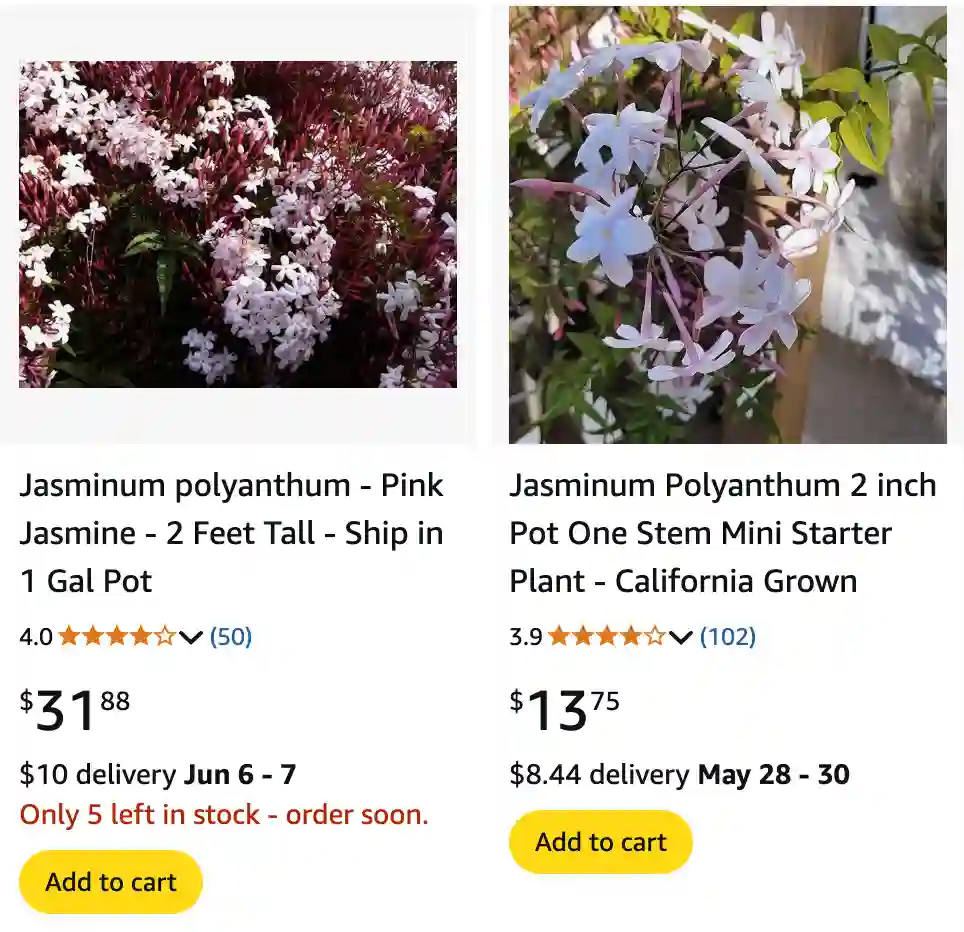
Jasminum Polyanthum is a popular plant, so you shouldn’t have too much trouble finding it. Local nurseries and garden centers often carry it, especially in spring. Online retailers are another excellent source, offering a wider selection and often larger specimens. I’ve had good experiences with several reputable online plant shops. When buying online, always check reviews and ensure the seller offers healthy plants with good shipping practices. Sometimes, even hardware stores with garden sections will have them in stock.
Is Jasminum Polyanthum Evergreen?
Yes, in suitable climates, Jasminum Polyanthum is an evergreen vine. This means it retains its foliage throughout the year, providing continuous greenery even in winter. However, in colder regions where temperatures drop significantly, it may behave as a deciduous plant, losing its leaves, or it might even die back to the ground. For those in colder zones, growing it in a container and bringing it indoors for winter is a viable option to maintain its evergreen nature.
Is Jasminum Polyanthum Poisonous to Dogs?
Similar to cats, Jasminum Polyanthum is also considered toxic to dogs. Ingestion can cause digestive issues. Symptoms are usually mild, but it’s always best to err on the side of caution. If your dog exhibits signs of illness after exposure to the plant, contact your vet. Prevention is key; ensure your furry friends cannot access the plant.
Jasminum Polyanthum vs. Star Jasmine
This is a common point of confusion. While both are fragrant climbing plants, Jasminum Polyanthum and Star Jasmine (Trachelospermum jasminoides) are distinct species.
- Jasminum Polyanthum: Known for its incredibly abundant pink-budded white flowers that release a strong, sweet fragrance, especially in late winter to early spring. Its leaves are smaller and more delicate. It’s a faster, more vigorous grower.
- Star Jasmine (Trachelospermum jasminoides): Features pure white, star-shaped flowers with a creamy, gardenia-like scent. Its leaves are thicker, leathery, and dark green. It flowers later, typically in late spring to early summer, and is generally more cold-hardy.
Both are beautiful choices, but their flowering times, scent profiles, and leaf characteristics differ. When buying, ensure you’re getting the one you truly desire!

If i die, water my plants!