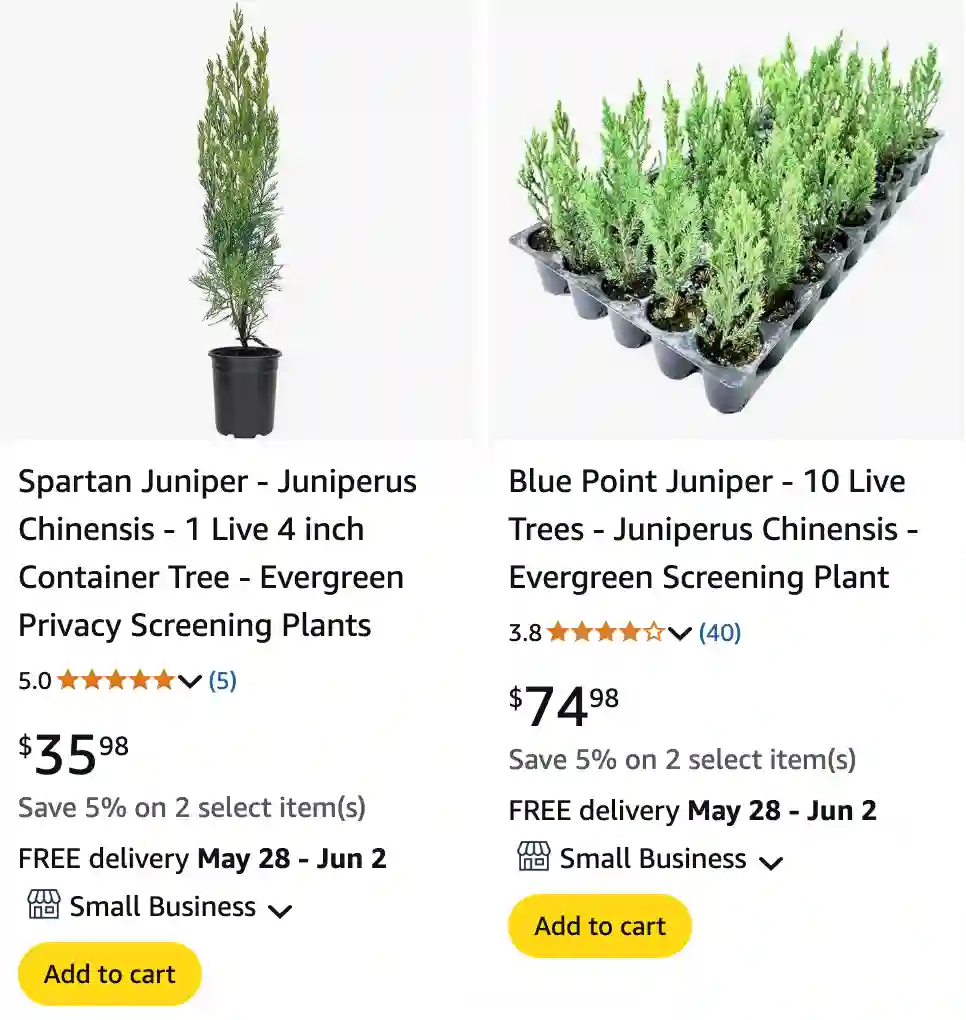
Hi, I’m Ferb Vu. Over the years, I’ve spent quite some time caring for different plants, and one that has truly caught my attention is Juniperus Chinensis—commonly known as Chinese juniper. It’s a fascinating conifer with unique characteristics that make it popular in gardens and landscapes. I want to share my firsthand insights about this plant, addressing common questions I often get and comparing it with other plants I’ve worked with.
What Is Juniperus Chinensis and Why Is It Popular?
Juniperus Chinensis is an evergreen conifer native to East Asia. What fascinates me most is its incredible versatility—it can be shaped into bonsai, hedges, or grown as a standalone ornamental tree. I appreciate how its needle-like foliage varies from sharp, prickly textures to soft, scale-like leaves depending on the cultivar. The color range, from deep green to blue-green and even gold, adds dimension to any garden.
What makes this plant stand out for me is its drought tolerance and low maintenance, which suits my busy lifestyle. Unlike some fussy plants, Juniperus Chinensis thrives in poor soils and tolerates urban pollution. This makes it ideal for city gardens or less-than-ideal planting spots.
How Does Juniperus Chinensis Compare to Other Junipers?
I’ve grown several types of junipers, but Juniperus Chinensis feels like the perfect middle ground between ornamental beauty and hardiness. For example, compared to Juniperus Communis (common juniper), Chinensis tends to be more adaptable to warmer climates and has a broader variety of growth habits—ranging from sprawling groundcovers to upright trees.
Unlike Juniperus Virginiana (Eastern red cedar), which can become quite large and woody, Juniperus Chinensis offers cultivars that stay compact and dense, which I find perfect for bonsai or structured hedges. The foliage also tends to be softer and more colorful, which makes it more visually appealing for decorative use.
Can Juniperus Chinensis Grow Indoors or Only Outdoors?
From my experience, Juniperus Chinensis is primarily an outdoor plant. It needs plenty of sunlight—at least 6 hours a day—to maintain its vibrant color and healthy growth. While some people try to keep it indoors as a bonsai, I’ve found it challenging unless you have a very bright, cool spot with good air circulation.
If you want a houseplant with similar features, I would recommend something like a Boxwood or a dwarf Ficus instead, as they adapt better to indoor conditions.
How Do I Care for Juniperus Chinensis?
Caring for this plant is straightforward, which is a huge plus in my book. Here’s what I do:
- Sunlight: Full sun to partial shade. I always plant mine in spots with ample sun to keep the foliage dense and colorful.
- Watering: It’s drought-tolerant but appreciates occasional watering during dry spells. I avoid overwatering since that can cause root rot.
- Soil: Well-drained soil is key. I’ve tried clay soils, but it does better with some organic matter mixed in.
- Pruning: I prune annually to maintain shape, especially when growing it as a bonsai or hedge. The foliage responds well to trimming without stress.
- Fertilizing: Light feeding in early spring with a balanced fertilizer helps it flourish.
Is Juniperus Chinensis Resistant to Pests and Diseases?
In my experience, this plant is quite resilient but not invincible. Common issues include:
- Spider mites: They sometimes appear in hot, dry weather. I use insecticidal soap or neem oil to manage them.
- Bagworms: I’ve spotted these occasionally; removing them by hand early in the season helps.
- Fungal diseases: Root rot can occur if the soil stays soggy. Proper drainage solves most problems.
Compared to other evergreens I’ve grown, Juniperus Chinensis seems less prone to severe disease, which adds to its appeal.
How Does Juniperus Chinensis Compare to Other Evergreen Shrubs?
When I compare Juniperus Chinensis to evergreen shrubs like Boxwood or Yew, several differences stand out. Juniperus has a more open, airy texture with needle-like foliage versus the dense, leathery leaves of Boxwood. This makes it ideal for creating layered landscapes or adding texture contrast.
Yews are more shade-tolerant and slower growing, while Juniperus Chinensis prefers sun and grows relatively faster. If you want a low-maintenance, drought-resistant evergreen with a variety of shapes and colors, Juniperus Chinensis often wins in my garden.
Can I Use Juniperus Chinensis for Bonsai?
Absolutely. In fact, Juniperus Chinensis is one of my favorite species for bonsai. Its flexible branches, fine foliage, and tolerance to pruning make it a joy to train. I’ve worked with cultivars like ‘Shimpaku’ and ‘Blue Alps,’ which are especially prized for bonsai.
Bonsai enthusiasts value Juniperus Chinensis for its ability to develop interesting textures on the bark and retain color year-round. Just remember it needs full sun and regular watering, even as a bonsai.
What Are the Best Cultivars of Juniperus Chinensis?
I’ve experimented with several cultivars. Here are my favorites:
- ‘Shimpaku’ — Classic bonsai species with soft, feathery foliage.
- ‘Blue Alps’ — Brilliant blue needles, perfect for striking contrast.
- ‘Hetzii’ — Compact and dense, great for hedging.
- ‘Kaizuka’ — Unique twisted branches, ideal for a sculptural look.
Choosing a cultivar depends on your goal—whether it’s bonsai, hedging, or specimen planting.
Is Juniperus Chinensis Suitable for Urban Environments?
Yes, it’s quite suited for urban gardens. I have several planted near streets and driveways. Its tolerance to pollution, drought, and compact soil makes it perfect for city life. Also, its evergreen nature means it provides year-round greenery and privacy.
Final Thoughts on Juniperus Chinensis
From my experience, Juniperus Chinensis is a robust, versatile, and visually striking plant that fits many landscape needs. Whether you’re a beginner or a seasoned gardener, it’s rewarding to grow and easy to maintain. I highly recommend giving it a try if you want a low-maintenance evergreen that can adapt to various styles—from traditional hedges to elegant bonsai.

If i die, water my plants!