Hi, I’m Ferb Vu, and I’ve spent quite some time with Kalanchoe Delagoensis. It’s a fascinating succulent that many people overlook, yet it has so much to offer. I want to share some of the most common questions I get about this plant, along with insights from my own experience growing it. If you’re curious about Kalanchoe Delagoensis, its care, and how it stacks up against similar plants, you’re in the right place.
What Is Kalanchoe Delagoensis and Why Is It Special?
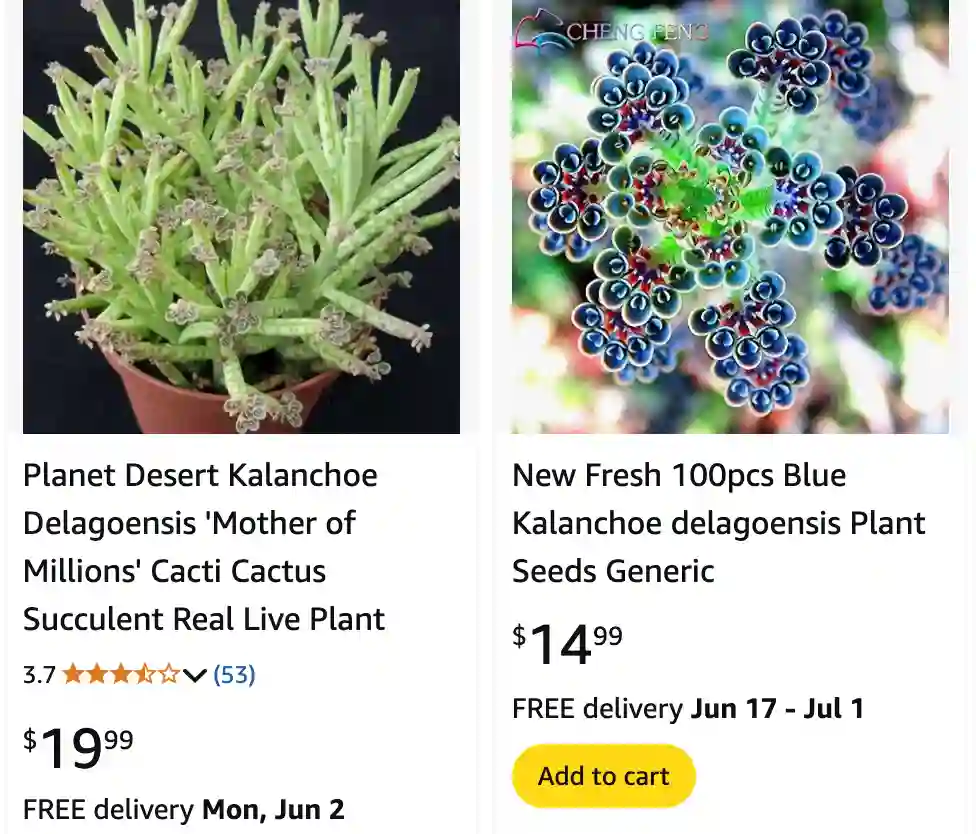
Kalanchoe Delagoensis is a striking succulent native to Madagascar. You might also hear it called “Mother of Thousands” or “Chandelier Plant,” thanks to its unique way of producing baby plants along the edges of its leaves. These plantlets fall off and root easily, which makes propagation super simple.
What stands out to me about this succulent is its tubular, elongated leaves that grow upright, almost like fingers reaching for the sun. This shape makes it visually different from many other succulents like Jade Plant or Echeveria. Plus, when it blooms, it sends out coral-colored tubular flowers that attract hummingbirds and butterflies, adding a touch of wild beauty to any garden or indoor space.
How Do I Care for Kalanchoe Delagoensis?
From my experience, Kalanchoe Delagoensis is pretty easy to care for, but it does have some preferences.
Light: This plant loves bright, indirect sunlight. I keep mine near a south-facing window where it gets plenty of light but not harsh direct sun all day, which can scorch the leaves.
Water: Like many succulents, it hates being waterlogged. I water mine only when the soil is completely dry—usually every 10 to 14 days. Overwatering is the fastest way to kill this plant.
Soil: I use a well-draining cactus or succulent mix. Good drainage is key to prevent root rot.
Temperature: It thrives in temperatures between 60°F and 85°F. I keep it indoors during winter because it doesn’t tolerate frost.
Humidity: Low to moderate humidity is best. High humidity can encourage fungal issues.
Is Kalanchoe Delagoensis Toxic?
This is an important question, especially if you have pets or kids. Yes, Kalanchoe Delagoensis contains compounds called bufadienolides, which are toxic if ingested by cats, dogs, and even humans in large quantities. I always keep my plant out of reach from curious pets. If you have pets, it’s something to seriously consider before bringing this plant home.
How Does Kalanchoe Delagoensis Compare to Kalanchoe Tubiflora?
I’ve grown both Kalanchoe Delagoensis and Kalanchoe Tubiflora, and while they’re closely related and often confused, they have subtle differences.
- Leaf shape: Delagoensis leaves tend to be longer and more tubular, almost like small fingers. Tubiflora’s leaves are thicker and less elongated.
- Plantlets: Both produce plantlets along leaf edges, but Delagoensis produces them more prolifically in my experience.
- Flower color: Delagoensis flowers are bright coral, while Tubiflora flowers lean more toward a pale yellow-green.
If you want a more dramatic, upright plant, I prefer Kalanchoe Delagoensis. It just adds more vertical interest to a succulent collection.
Can Kalanchoe Delagoensis Grow Outdoors?
I’ve grown Kalanchoe Delagoensis both indoors and outdoors. It thrives outdoors in USDA hardiness zones 9-11. If you live in a warmer climate, this plant can add a tropical, architectural look to your garden. Just make sure it’s in a spot with partial shade, especially in the afternoon, to avoid leaf burn.
In colder climates, I bring it indoors during the winter or grow it exclusively as a houseplant. It’s surprisingly adaptable but does not tolerate frost at all.
How Fast Does Kalanchoe Delagoensis Grow?
Kalanchoe Delagoensis is a fast grower compared to many other succulents. The reason is simple: it produces many plantlets that root quickly and spread. I’ve seen my plant go from a small pot to a large, bushy specimen within a year. If you want a quickly filling, easy-to-propagate plant, this one fits the bill.
What Problems Should I Watch For?
While Kalanchoe Delagoensis is quite hardy, I’ve had to keep an eye out for a few issues:
- Pests: Mealybugs and spider mites sometimes target the leaves. I use insecticidal soap or neem oil to keep these pests at bay.
- Overwatering: This is the main cause of problems. Root rot can set in if soil stays wet too long.
- Leaf drop: If it gets too cold or the light is too low, leaves can yellow and fall off.
How Does Kalanchoe Delagoensis Differ From Other Popular Succulents Like Jade Plant or Echeveria?
Compared to Jade Plant (Crassula ovata) or Echeveria species, Kalanchoe Delagoensis feels more architectural and wild. Its tall, tubular leaves create a vertical spike effect, whereas Jade Plants have thick, rounded leaves, and Echeverias form rosettes.
Also, Kalanchoe Delagoensis is unique in how it propagates—producing tiny plantlets on leaf margins. This is a trait shared with some Kalanchoe species but not with Jade Plants or Echeverias. I find this propagation method fun and rewarding because I can watch new plants form naturally without effort.
Can I Use Kalanchoe Delagoensis for Indoor Air Quality?
While not as famous as Snake Plant or Spider Plant for air purification, Kalanchoe Delagoensis does contribute to indoor air quality by photosynthesizing and adding humidity to the environment. I like to keep it indoors because it brightens up the room and feels like a small natural sculpture.
Final Thoughts on Kalanchoe Delagoensis
For me, Kalanchoe Delagoensis is a standout succulent because it combines easy care, fast growth, and unique aesthetics. It’s perfect if you want a plant that’s both sculptural and alive with new growth in the form of plantlets.
It requires attention to watering and a warm, bright environment, but it rewards you with vibrant coral blooms and lots of baby plants. If you want a low-maintenance succulent with a twist, this one should be on your list.

If i die, water my plants!