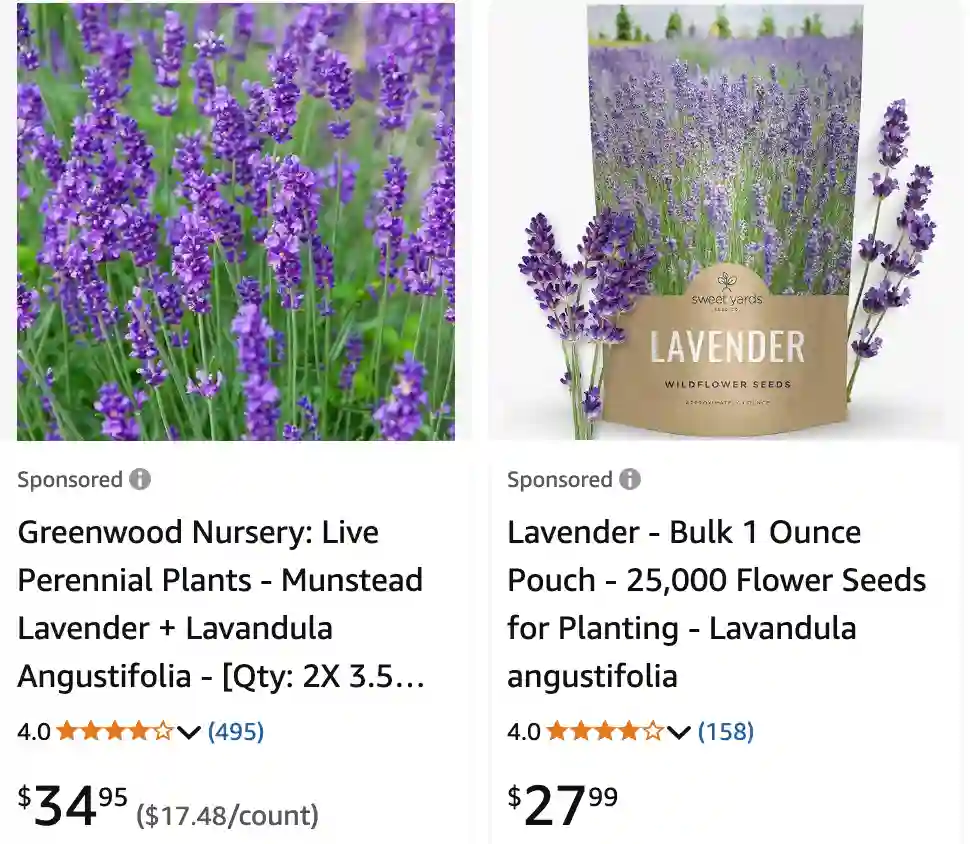
If you’ve ever wandered through a fragrant garden or strolled past a bustling farmers market, chances are you’ve caught a whiff of Lavandula Angustifolia, the classic English lavender. Over the years, I’ve grown, studied, and cared for this incredible plant. It’s one of my favorites—not just because of its beautiful purple blooms but also for its versatility and calming scent. I often get asked a bunch of questions about Lavandula Angustifolia, so I figured I’d share my insights on some of the most frequently asked ones.
What is Lavandula Angustifolia?
Simply put, Lavandula Angustifolia is the true English lavender. It’s a member of the mint family (Lamiaceae) and is renowned for its narrow leaves and tightly packed, fragrant purple flower spikes. Its origins trace back to the Mediterranean, but it has adapted beautifully to temperate climates worldwide. Gardeners and herbalists alike prize it for both ornamental and medicinal purposes.
Is Lavandula Angustifolia Edible?
One common question I get is, “Is Lavandula Angustifolia edible?” The answer is yes, it is edible! The flowers and leaves can be used in cooking—think lavender-infused honey, baked goods, or teas. However, use it sparingly because the flavor is quite potent and can easily overpower a dish. Always ensure your lavender is grown organically if you plan to consume it.
Is Lavandula Angustifolia a Perennial?
Yes, Lavandula Angustifolia is a perennial, which means it comes back year after year. This makes it a fantastic choice for gardeners looking to establish a lasting herb garden or a fragrant perennial border. It thrives best in well-drained soil and full sun.
Is Lavandula Angustifolia Evergreen?
This is a bit tricky. Technically, Lavandula Angustifolia is considered a semi-evergreen. In milder climates, it keeps its leaves year-round, while in colder regions, it may die back in winter but will regrow come spring.
How to Care for Lavandula Angustifolia?
In my experience, caring for Lavandula Angustifolia requires a few simple steps:
- Sunlight: Full sun is essential. I always place mine in spots that get at least 6-8 hours of direct sunlight daily.
- Soil: It prefers well-drained, slightly alkaline soil. Heavy or clay soils can cause root rot.
- Watering: Lavender hates soggy roots. Water young plants regularly but reduce frequency once established. I let the soil dry out between watering.
- Pruning: To keep it healthy and bushy, I prune annually after flowering. This prevents the woody base from taking over.
- Fertilizer: Minimal feeding is needed. Too much fertilizer encourages leaf growth at the expense of flowers.
How to Grow Lavandula Angustifolia from Seed?
Growing from seed can be rewarding but requires patience. Here’s how I do it:
- Start seeds indoors 8-10 weeks before the last frost.
- Use a light, well-draining seed mix.
- Keep the soil moist but not wet.
- Provide warmth (about 65-70°F) and light.
- Germination can take 2-4 weeks.
- Once seedlings are a few inches tall, transplant outdoors after all risk of frost.
Growing from seed gives you many plants for free but don’t expect them to bloom the first year.
Where to Buy Lavandula Angustifolia?
Finding quality Lavandula Angustifolia is easier than ever. I recommend:
- Local nurseries with a good herb or lavender selection.
- Specialty online plant retailers.
- Farmers markets in spring.
- Occasionally, garden clubs or plant swaps.
Always look for reputable sources to avoid disease or hybrid varieties unless that’s what you want.
Comparing Lavandula Angustifolia with Other Lavenders
If you’re into lavender, you’ve probably heard of several other types. Here’s what I’ve found when comparing Lavandula Angustifolia to its relatives:
- Lavandula Angustifolia vs Lavandula Latifolia: The latter, often called spike lavender, has broader leaves and a camphor-like scent. It’s less sweet but more robust in essential oils.
- Lavandula Angustifolia vs Hidcote: Hidcote is actually a popular cultivar of Lavandula Angustifolia. It has a compact habit and deep purple flowers. I love it for tight borders.
- Lavandula Angustifolia vs Lavandin (Lavandula x Intermedia): Lavandin is a hybrid between Angustifolia and Latifolia. It grows larger, blooms longer, and produces more oil but has a sharper scent. For culinary uses, I prefer Angustifolia.
- Lavandula Angustifolia vs Officinalis: This name is sometimes used interchangeably with Angustifolia, but technically refers to true lavender used medicinally. They are very similar.
- Lavandula Angustifolia vs Lavandula Dentata: Dentata has serrated leaves and a different flower structure. It’s more tropical and less hardy in cold climates.
- Lavandula Angustifolia vs Lavandula Stoechas: Known as French lavender, Stoechas has unique “rabbit ear” bracts on its flowers and a stronger, more medicinal scent.
Final Thoughts
For me, Lavandula Angustifolia is more than just a garden plant. It’s a symbol of calm, tradition, and timeless beauty. Whether you want to grow it for its edible flowers, lovely aroma, or its striking appearance, it’s a wonderful plant to have around.

If i die, water my plants!