Hey, it’s Ferb Vu here. If you’re curious about Lilium Bulbiferum, you’re in the right place. I’ve spent quite some time growing and learning about this striking lily species, and I want to share some clear, practical answers to the most common questions I get about it. I’ll also compare it with other lilies and related plants to give you a fuller picture. Let’s dive in.
121 Species in Genus Lilium
What Is Lilium Bulbiferum?
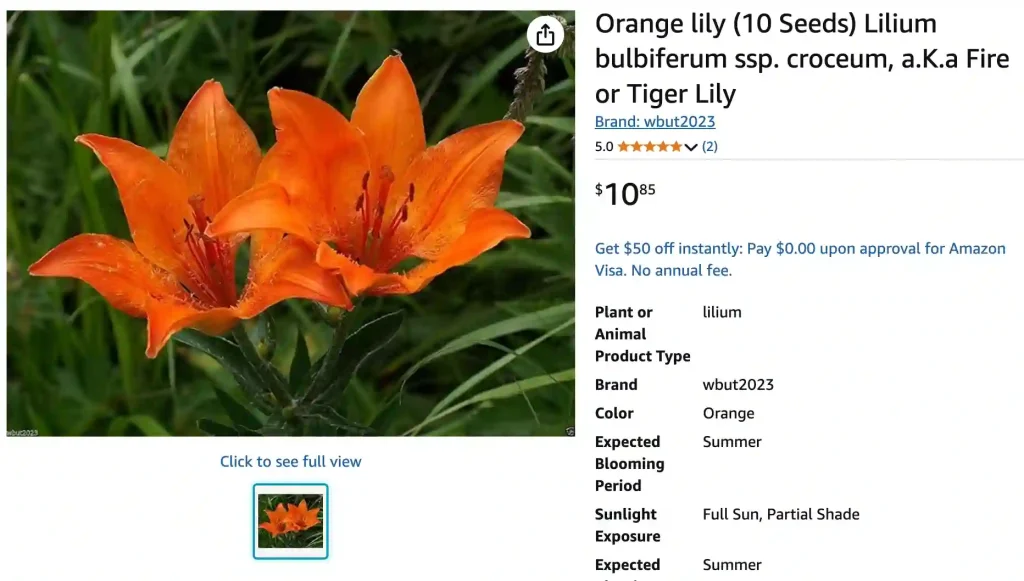
Lilium Bulbiferum, commonly called the orange lily or fire lily, is a stunning flowering plant native to parts of Europe, especially in mountainous areas like the Alps. It’s famous for its bright orange petals speckled with dark spots. What makes it unique is that it produces small bulbils (tiny bulbs) along its stems, which is pretty unusual for lilies.
I find it fascinating how these bulbils let the plant reproduce vegetatively, not just through seeds. This adds a natural way to spread without relying entirely on pollinators.
How Do I Grow Lilium Bulbiferum Successfully?
From my experience, Lilium Bulbiferum thrives best in well-drained soil with a slightly acidic to neutral pH. I prefer planting it in spots with full sun or partial shade—too much shade and it won’t flower as well. Good drainage is critical because the bulbs don’t like soggy soil; they can rot easily.
I usually plant bulbs in the fall, about 4 to 6 inches deep, spacing them roughly 6 to 8 inches apart. Water moderately during growth but reduce watering after the flowers fade.
A tip I picked up: mulch lightly to protect the bulbs in colder climates but avoid too much moisture buildup. These lilies handle cold winters well, especially if the soil drains properly.
What Makes Lilium Bulbiferum Different from Asiatic or Oriental Lilies?
I often get asked how this species compares to more common lilies like Asiatic or Oriental lilies. The key differences I notice are:
- Flower Shape and Color: Lilium Bulbiferum flowers are typically orange with black spots and have a recurved petal shape, whereas Asiatic lilies have a broader color range and straighter petals. Oriental lilies are often larger, more fragrant, and have softer pastel tones.
- Reproduction: Lilium Bulbiferum produces bulbils along its stems. Asiatic and Oriental lilies mostly reproduce through bulbs and seeds without stem bulbils.
- Fragrance: Lilium Bulbiferum has little to no scent. Oriental lilies are famous for their strong, sweet fragrance.
- Growth Habit: Bulbiferum grows well in mountainous or rocky terrain. Asiatic lilies adapt well to garden beds and containers. Oriental lilies prefer moist, rich soil.
From what I’ve seen, Lilium Bulbiferum is a bit more rugged and natural-looking compared to the more cultivated Asiatic and Oriental lilies.
Can I Propagate Lilium Bulbiferum Using Bulbils?
Absolutely. This is one of the coolest features of Lilium Bulbiferum. Those tiny bulbils you find along the leaf axils can be gently removed and planted separately. I recommend waiting until they turn brownish and feel firm before detaching them.
I plant them in a pot with loose, well-draining soil and keep them moist but not wet. It takes a while—sometimes a year or two—for these bulbils to grow into flowering plants, but it’s a rewarding propagation method.
This is different from many lilies, where propagation usually means dividing underground bulbs or sowing seeds.
What Are Common Pests and Diseases Affecting Lilium Bulbiferum?
In my time growing these lilies, I’ve noticed they are fairly resistant but can still face issues:
- Aphids: These tiny insects can cluster on buds and stems, sucking sap. I use insecticidal soap or neem oil to manage them.
- Lily Beetles: These red beetles and their larvae can cause defoliation. Handpicking them early in the season works best.
- Fungal Diseases: Like Botrytis blight, especially in humid conditions. Good air circulation and avoiding overhead watering help prevent this.
Compared to Asiatic lilies, which are more prone to fungal problems, Bulbiferum feels a bit heartier to me in well-maintained conditions.
How Does Lilium Bulbiferum Fit into a Garden Design?
I love using Lilium Bulbiferum to add a burst of fiery orange color in mid to late summer. It pairs wonderfully with plants like:
- Hostas: Their broad green leaves contrast with the tall, slender stems of the lily.
- Ferns: The texture difference highlights the elegant lily flowers.
- Salvia and Lavender: Their purple tones make the orange pop beautifully.
Since it can grow up to 3 feet tall, it fits nicely in the middle or back of mixed borders. I also like naturalizing it in rock gardens or woodland edges to mimic its native alpine habitat.
Is Lilium Bulbiferum Deer Resistant?
From my experience, these lilies are moderately deer resistant. Deer tend to avoid the bitter taste of lilies in general, but in severe food shortages, they might nibble. Planting alongside strongly scented herbs like rosemary or lavender can help deter hungry deer.
How Long Does It Take for Lilium Bulbiferum to Bloom After Planting?
When planting dormant bulbs, expect about one growing season before you see blooms. Bulbils take longer, often two or three years, before flowering.
I’ve found patience pays off with this plant. The initial wait might feel long, but once established, it blooms reliably every summer.
Can Lilium Bulbiferum Grow in Containers?
Yes, but with some care. Container growing requires ensuring excellent drainage and using a deep pot to accommodate the bulb depth. I recommend a mix of potting soil and grit to keep it airy.
Place the pot in a sunny spot and water moderately. The challenge is overwintering the bulbs if you live in a cold climate. I bring containers indoors or mulch heavily to protect them.
How Does Lilium Bulbiferum Compare to Other European Lilies?
Compared to species like Lilium Martagon (Turk’s Cap Lily), which has downward-facing, fragrant, spotted flowers, Bulbiferum’s flowers face outward and lack strong scent. Martagon lilies tend to be shade tolerant, while Bulbiferum prefers more sun.
Lilium Candidum (Madonna Lily) is another European native with pure white, fragrant flowers, quite different from Bulbiferum’s fiery orange. Candidum prefers rich soil and partial shade.
Each species has its charm, but for sheer vibrant color and unique propagation by bulbils, I’d pick Bulbiferum every time.
Final Thoughts
Lilium Bulbiferum is a hardy, visually striking lily with unique reproductive traits and a natural alpine charm. Its bright orange flowers light up any garden, and the ability to propagate through bulbils adds a fun, hands-on element for gardeners like me.
Whether you’re a lily enthusiast or just looking to add some bold color, I highly recommend giving Lilium Bulbiferum a spot in your garden. It’s a rewarding plant that connects you to a wild European heritage with every bloom.

If i die, water my plants!