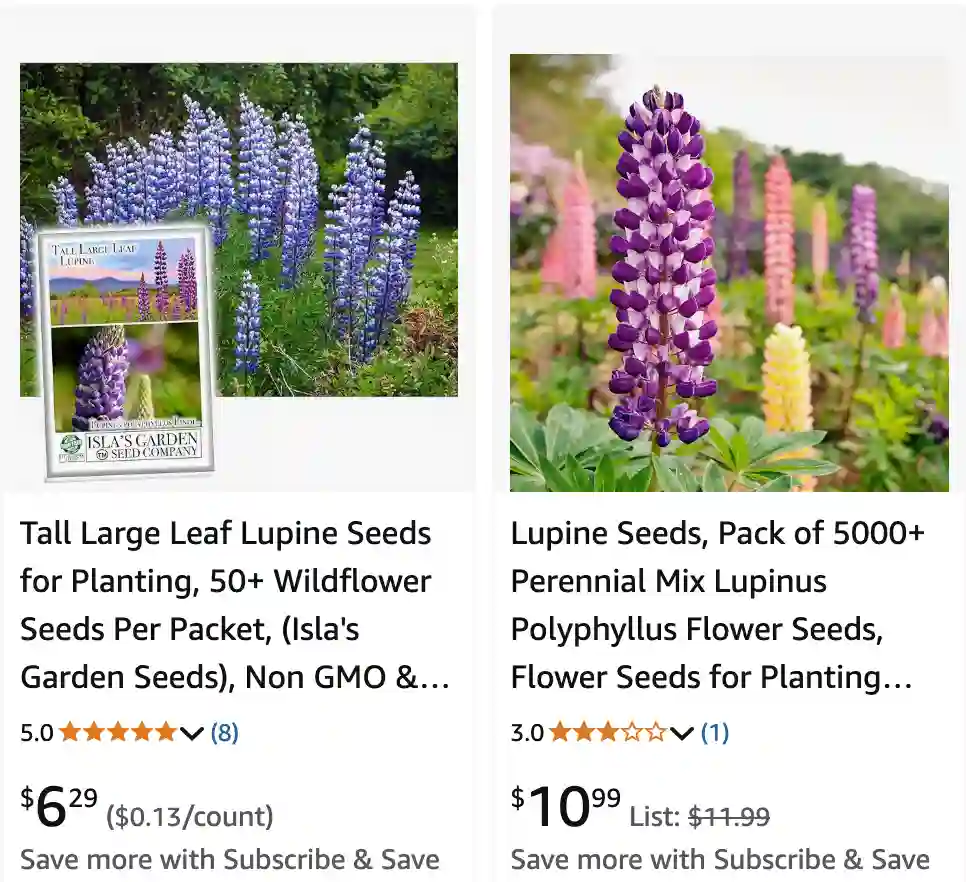
Hey, it’s Ferb Vu here! I’ve spent quite some time growing and learning about Lupinus Polyphyllus, commonly known as the garden lupine. It’s one of those plants that catch your eye instantly with its tall, colorful spikes and dense, palm-shaped leaves. If you’re curious about this stunning perennial or want to compare it with other plants, I’ve put together a detailed FAQ to share what I know and have experienced firsthand. Let’s dive in!
What Is Lupinus Polyphyllus and Why Should I Grow It?
Lupinus Polyphyllus is a flowering perennial native to western North America. I love it for its vibrant flower spikes that bloom in early to mid-summer. The plant can reach 3 to 4 feet tall, creating a dramatic effect in gardens. Beyond beauty, it’s also great for soil health. Lupines fix nitrogen in the soil, which benefits other plants around them.
If you’re looking for a plant that adds vertical interest and attracts pollinators like bees and butterflies, Lupinus Polyphyllus is an excellent choice. I’ve noticed my garden feels more alive once lupines bloom.
How Do I Care for Lupinus Polyphyllus?
From my experience, Lupinus Polyphyllus prefers full sun but can tolerate partial shade. It thrives in well-draining, slightly acidic to neutral soil. One tip I learned the hard way: avoid heavy clay soils or soggy areas because the roots don’t like staying wet.
Watering is moderate; keep the soil moist but never waterlogged. Once established, lupines are fairly drought-tolerant. Fertilizer? I generally skip heavy feeding because lupines fix their own nitrogen, but a balanced fertilizer in early spring can boost growth.
Pruning spent flower spikes encourages a second bloom. Also, cutting back the plant in late fall helps it come back strong next year.
How Does Lupinus Polyphyllus Compare to Lupinus Texensis?
I often get asked how Lupinus Polyphyllus differs from Lupinus Texensis (Texas Bluebonnet), another popular lupine species. Both are stunning, but here’s what I’ve found:
- Height: Polyphyllus is taller, often up to 4 feet, while Texensis usually stays around 1-2 feet.
- Flower Shape: Polyphyllus has dense, tall flower spikes with various colors (blue, pink, purple, white), whereas Texensis flowers are smaller, typically blue with white tips.
- Climate: Polyphyllus handles cooler climates better, thriving in temperate zones, while Texensis prefers warmer areas.
- Bloom Time: Polyphyllus blooms a bit later in spring or early summer compared to Texensis, which blooms in early spring.
In my garden, I use Polyphyllus for vertical accents and Texensis for ground-level color bursts.
Can Lupinus Polyphyllus Attract Wildlife?
Yes! I’ve seen firsthand how Lupinus Polyphyllus draws in pollinators. Bumblebees and honeybees are frequent visitors, thanks to the abundant nectar. Butterflies like swallowtails also seem to enjoy the flowers. Plus, because lupines are part of the legume family, they improve soil nitrogen, indirectly supporting other wildlife-friendly plants.
However, a caution: Lupinus Polyphyllus is toxic if ingested by pets or livestock, so keep that in mind if you have animals around.
Is Lupinus Polyphyllus Invasive?
I want to be honest here. In some regions, especially parts of Europe and New Zealand, Lupinus Polyphyllus has become invasive. It spreads aggressively via seeds and can outcompete native plants. In my experience growing it in the Pacific Northwest, it’s well-behaved but I always recommend monitoring your garden to prevent unwanted spreading.
If invasiveness is a concern where you live, you might want to try native lupine species or sterile cultivars designed not to spread.
How Does Lupinus Polyphyllus Compare to Delphinium?
I love both plants for their tall flower spikes, but they serve different purposes and require slightly different care.
- Height: Delphiniums can get taller than lupines, sometimes reaching 6 feet.
- Flower Color: Delphiniums lean towards blue, purple, and white tones, while lupines offer a broader range including pinks and yellows.
- Growth Habit: Lupines fix nitrogen and improve soil; delphiniums don’t have this trait.
- Care: Delphiniums often need staking and are more sensitive to heat, while lupines are hardier.
In my garden, I use Lupinus Polyphyllus in areas where I want color and soil improvement with less fuss. Delphiniums come out when I want dramatic, taller floral displays.
What Are Common Problems or Pests for Lupinus Polyphyllus?
I’ve had a few issues over the years, so here’s what I keep an eye on:
- Aphids: These little bugs can cluster on new growth. I manage them with insecticidal soap or by introducing ladybugs.
- Powdery Mildew: Occasionally, the leaves develop a white powdery coating, especially in humid conditions. Good air circulation and avoiding overhead watering helps.
- Slugs and Snails: Young seedlings can be vulnerable, so I use organic slug pellets or traps.
Overall, lupines are fairly resilient once established.
Can I Grow Lupinus Polyphyllus From Seed?
Yes! Growing from seed is how I start most of my lupines. The seeds have a hard coat, so I scarify them by gently nicking the seed coat or soaking them overnight before planting. Sow seeds in well-drained soil after the last frost.
Germination takes about 14-21 days. Seed-grown plants may take a couple of years to bloom, but the wait is worth it!
Are There Different Cultivars of Lupinus Polyphyllus?
Definitely. I’ve tried several cultivars and noticed distinct differences in flower color and size. Popular ones include:
- The Russell Hybrids: Known for large flower spikes and a wide color range.
- ‘Gallery’ Series: Compact, great for containers.
- ‘Masterpiece’: Intense, vibrant colors.
Trying different cultivars lets you customize your garden’s look and bloom time.
Final Thoughts on Growing Lupinus Polyphyllus
Lupinus Polyphyllus is a rewarding plant that combines beauty, function, and wildlife benefits. With proper care, it thrives in temperate gardens and can be a standout feature. Just watch for invasiveness in some areas and be mindful of pests.

If i die, water my plants!