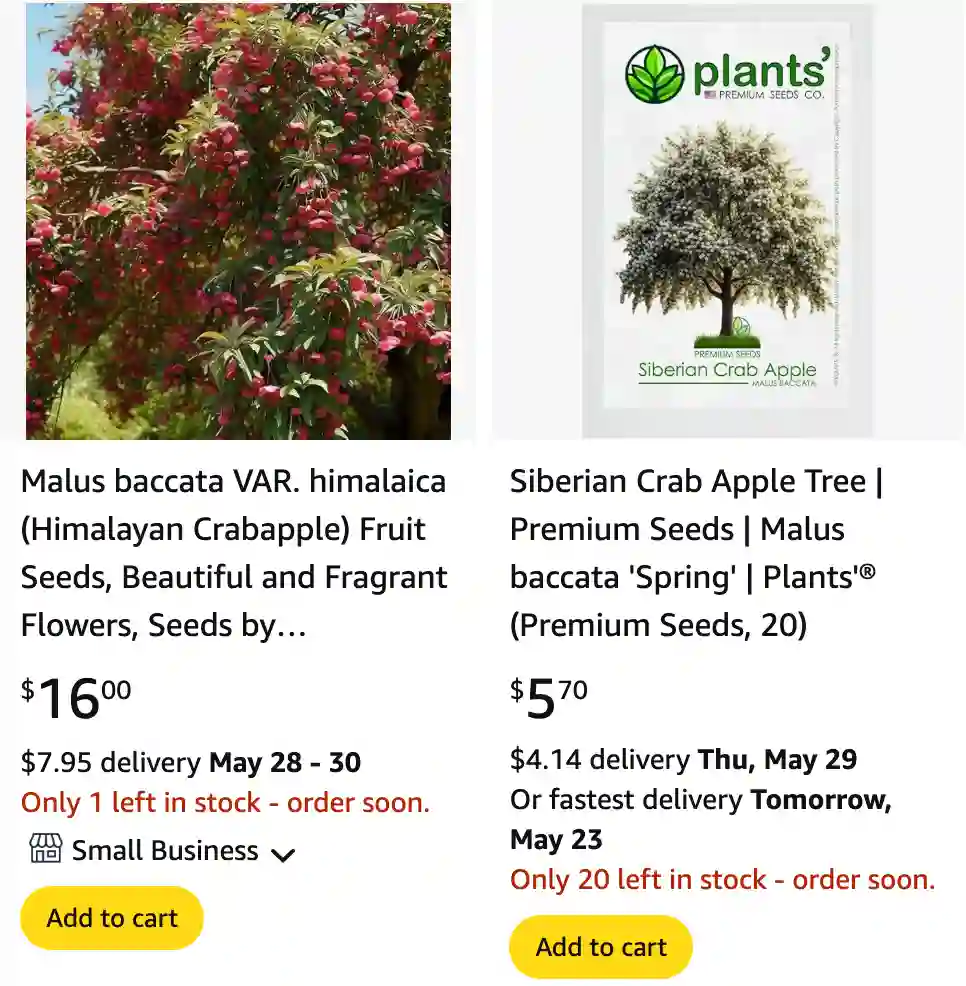
Hi, I’m Ferb Vu, and I want to share what I’ve learned about Malus Baccata, commonly called the Siberian Crabapple. Over the years, I’ve worked with many plants, and this one caught my attention for its unique characteristics and resilience. Here, I answer the common questions I get about Malus Baccata and compare it with other plants to help you decide if it’s right for your garden or landscape.
What Is Malus Baccata?
Malus Baccata is a species of crabapple native to Siberia, northeastern Asia, and parts of China. It’s well-known for its hardiness and ability to thrive in cold climates. The tree produces small, bright red fruits that are not only ornamental but also edible, though quite tart. I appreciate this tree for its multi-season interest—spring blossoms, summer greenery, fall fruits, and striking winter bark.
How Does Malus Baccata Compare to Other Crabapple Trees?
I’ve noticed that Malus Baccata is often confused with other crabapples like Malus Coronaria or Malus Floribunda. What stands out about Malus Baccata is its exceptional cold tolerance. While many crabapples struggle in harsh winters, this species thrives and can tolerate temperatures well below zero Fahrenheit.
In terms of size, Malus Baccata tends to be medium-sized, growing about 20-30 feet tall, which makes it manageable for most home gardens. Some crabapples get bigger or more sprawling, but this one has a nice, rounded shape that I find appealing.
Compared to Malus Floribunda, which has abundant but sometimes short-lived blossoms, Malus Baccata’s flowers seem a bit more subtle but last longer. Also, Malus Baccata’s fruit lasts longer into the fall and winter, providing food for birds when other sources are scarce.
What Are the Growing Conditions for Malus Baccata?
From my experience, Malus Baccata is not very picky about soil, but it prefers well-drained, loamy soils. It can handle sandy or clay soils if drainage is good. Sunlight is crucial—full sun exposure leads to better flowering and fruiting. I’ve tried growing it in part shade, but the tree tends to be leggier and less productive.
Watering is important especially in the first few years. Once established, Malus Baccata is quite drought-tolerant, which I appreciate since I live in an area that sometimes faces water restrictions.
Is Malus Baccata Resistant to Pests and Diseases?
This tree is fairly resistant compared to other crabapples. It handles common diseases like apple scab and fire blight better than many Malus species I’ve grown. However, it’s not completely immune. Good airflow around the tree and keeping the area clean of fallen leaves can reduce problems.
In terms of pests, I’ve seen occasional aphids and caterpillars, but overall it’s low-maintenance. If you want a crabapple tree that’s less prone to frequent spraying and care, this is a solid choice.
Can Malus Baccata Be Used for Edible Purposes?
Yes, the fruits are edible but quite tart. I’ve made crabapple jelly and cider from them. The key is to harvest when they’re fully ripe but before they start to shrivel. Some people prefer mixing Malus Baccata fruits with sweeter apples because of the strong tartness.
Additionally, the fruits are valuable for wildlife. Birds love them and will often stay in your yard during colder months because of this food source.
How Does Malus Baccata Compare to Malus Domestica (Common Apple)?
I often get asked if Malus Baccata can replace the common apple tree. The short answer is no, but it complements it well. Malus Domestica produces larger, sweeter fruit for eating fresh or cooking. Malus Baccata’s fruit is smaller, more tart, and mostly used for preserves or wildlife.
Another difference is the growth habit. Malus Domestica can get much larger and requires more maintenance, including pruning and pest control. Malus Baccata stays more manageable, making it easier for smaller gardens.
What Wildlife Benefits Does Malus Baccata Provide?
I love how this tree supports local ecosystems. The spring blossoms attract bees and other pollinators, which is critical for garden health. Later, the fruits feed birds like waxwings, thrushes, and finches through fall and winter. Even small mammals nibble on the fallen fruit.
Planting Malus Baccata encourages biodiversity in my garden and provides natural pest control by supporting beneficial insects.
Can Malus Baccata Be Grown as an Ornamental Tree?
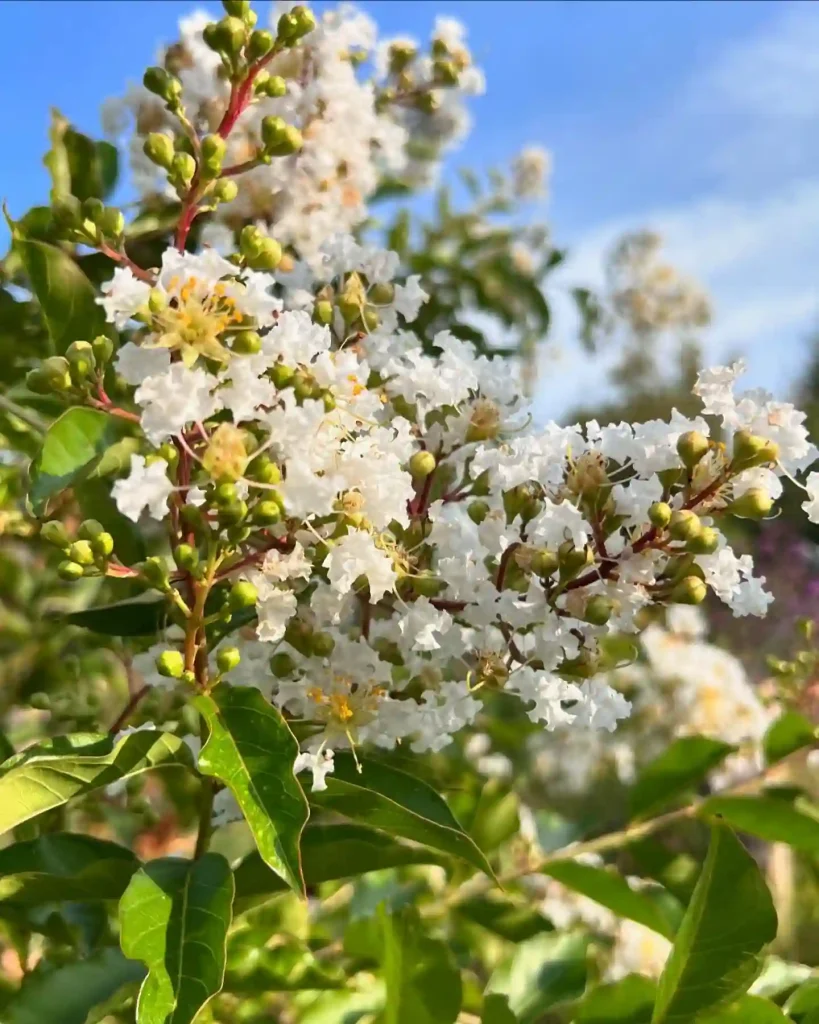
Definitely. The showy white to pale pink flowers in spring are stunning. The bright red crabapples add color in fall and often stay on the tree into winter, adding interest when most plants are dormant.
The tree’s shape and texture make it a good focal point or specimen tree. I’ve also seen it used successfully as a street tree or in naturalized areas because of its toughness.
How Does Malus Baccata Handle Urban Conditions?
If you live in a city, you might wonder if this tree can tolerate pollution and compacted soils. From what I’ve observed, Malus Baccata is pretty resilient in urban environments. It tolerates some pollution and traffic stress better than many ornamental trees.
If space is limited, pruning can keep its size in check without hurting its health. I’ve seen it thrive in parks and along streets in cold cities.
What Are Some Recommended Varieties or Cultivars of Malus Baccata?
There are a few popular cultivars I’ve worked with, including ‘Jackii’ and ‘Baccata’. ‘Jackii’ is a dwarf form, great for small spaces or container growing. It flowers profusely but stays compact. ‘Baccata’ tends to be more vigorous and larger.
Both cultivars maintain the hardy, disease-resistant traits of the species.
Final Thoughts on Malus Baccata
Personally, I recommend Malus Baccata to anyone looking for a tough, beautiful crabapple tree that offers year-round interest. Whether you want a wildlife-friendly tree, a hardy ornamental, or a source of unique fruit for preserves, this tree delivers.
It stands out especially if you live in a colder climate and want a reliable, low-maintenance tree with multi-season benefits. I hope my insights help you appreciate this remarkable species as much as I do.

If i die, water my plants!