Hey, it’s Ferb Vu here. If you’re diving into the world of Malus Floribunda, also known as the Japanese flowering crabapple, you’re in the right place. I’ve spent a good amount of time with this plant, and I want to share everything I’ve learned in a clear, straightforward way. I’ll answer common questions and even compare it with other plants you might be considering. Let’s get into it.
What Is Malus Floribunda?
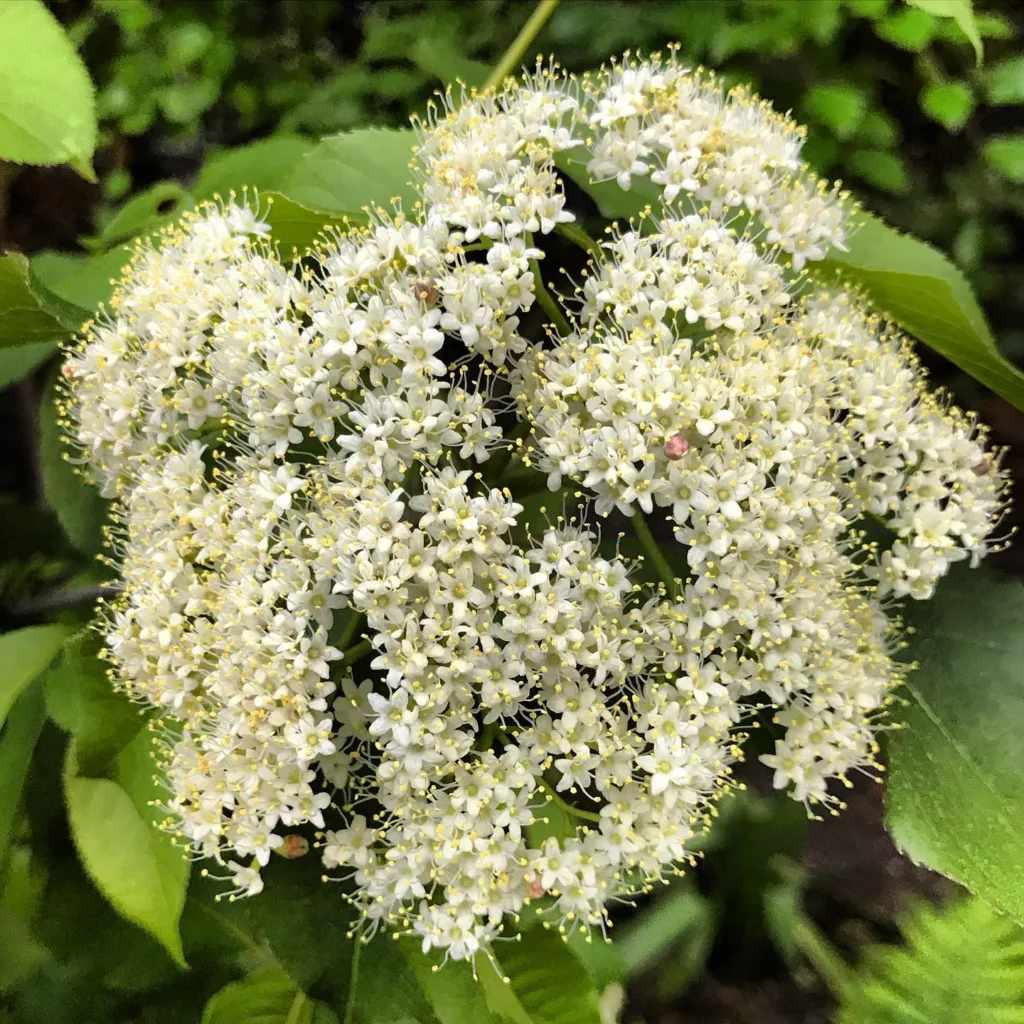
Malus Floribunda is a small deciduous tree that belongs to the Rosaceae family. It’s famous for its stunning spring blooms and attractive fall fruit. Originating from Japan, this crabapple tree typically grows between 10 to 15 feet tall. What I love most about it is how dense and vibrant the clusters of flowers are, usually in shades of white or pale pink.
How Does Malus Floribunda Compare to Other Crabapples?
When I compare Malus Floribunda to other crabapple species like Malus ‘Royalty’ or Malus ‘Dolgo’, I notice some clear differences. Malus Floribunda tends to have more profuse flowering, making it excellent if your priority is ornamental appeal. Its flowers are smaller but come in thick clusters that create a spectacular spring display.
Compared to Malus ‘Royalty,’ which has darker foliage and larger, reddish fruit, Malus Floribunda offers a lighter, more delicate look. Also, it tends to be less susceptible to common diseases like apple scab or fire blight, which can be a real bonus for low-maintenance gardeners.
What Are the Ideal Growing Conditions for Malus Floribunda?
From my experience, Malus Floribunda thrives in full sun to partial shade. It needs well-draining soil, but it’s pretty adaptable and can tolerate a range of soil types, from sandy to clayey. The tree prefers slightly acidic to neutral pH but is quite forgiving.
Water-wise, it benefits from regular watering, especially in its early years or during dry spells. However, once established, it’s moderately drought-tolerant. One tip I’ve found handy is to mulch around the base to retain moisture and protect roots from extreme temperatures.
How Do I Care for Malus Floribunda Throughout the Year?
I like to break down the care routine by seasons:
- Spring: Watch for pests like aphids or caterpillars. I recommend spraying with insecticidal soap if needed. Prune lightly after flowering to maintain shape.
- Summer: Keep an eye on watering. The tree may need more during hot weather. Check for signs of disease or fungal infections.
- Fall: This is the best time for heavier pruning to encourage healthy growth. Also, enjoy the bright red fruit that often attracts birds.
- Winter: Protect young trees from frost by applying mulch and wrapping trunks if necessary.
Does Malus Floribunda Produce Edible Fruit?
The fruits of Malus Floribunda are small crabapples, about half an inch in diameter. They’re tart and sour, not usually eaten fresh but great for wildlife. Birds love them, and I’ve often seen robins and cedar waxwings feeding on the tree’s fruit in autumn.
You can use these crabapples for making jellies or preserves if you’re into DIY kitchen projects. Just remember they’re quite bitter raw, so cooking is essential.
What Are Common Problems or Diseases Affecting Malus Floribunda?
I’ve had pretty good luck with this tree, but a few issues can pop up:
- Apple scab: A fungal disease causing dark spots on leaves. To manage this, I recommend good air circulation and removing fallen leaves.
- Fire blight: A bacterial disease that can cause branch dieback. Pruning infected branches promptly helps contain it.
- Aphids and scale insects: These pests can weaken the tree. I use natural predators or insecticidal soap when needed.
Overall, Malus Floribunda is more resistant to these than many other crabapples, which is why I like growing it.
How Does Malus Floribunda Compare with Malus Spectabilis?
Malus Spectabilis, another popular crabapple species, is known for larger flowers and fruit. When I compare the two, Malus Floribunda’s advantage lies in its prolific blooming and resistance to disease. Spectabilis tends to have a slightly shorter bloom period but bigger petals, so it has a different visual appeal.
In terms of care, both trees are similar, but I’ve found Floribunda to be a bit more forgiving in less-than-perfect soil conditions. Spectabilis might need a bit more attention regarding pruning and pest control.
Is Malus Floribunda Suitable for Small Gardens or Urban Spaces?
Absolutely. One thing I appreciate about Malus Floribunda is its manageable size. It doesn’t grow as large as some other crabapple trees, so it fits well in smaller yards or even urban gardens. Its dense flowering can brighten tight spaces without overwhelming them.
Plus, it provides seasonal interest—not just with spring flowers but also with colorful fruit and lovely fall foliage. It’s a versatile tree that adds charm wherever it goes.
Can Malus Floribunda Be Used for Bonsai?
Yes! I’ve seen Malus Floribunda used in bonsai culture due to its attractive flowers and small leaves. Its naturally compact size and slow growth rate make it an excellent candidate. If you’re into bonsai, this tree offers a rewarding challenge with beautiful seasonal changes.
What Wildlife Benefits Does Malus Floribunda Provide?
This tree is a magnet for wildlife. Bees and other pollinators flock to its flowers in spring, which supports local ecosystems. Later in the year, birds come for the fruit. I always enjoy watching the flurry of activity around my Malus Floribunda during these seasons.
By planting this tree, you’re not just adding beauty but also supporting biodiversity in your garden.
Final Thoughts on Malus Floribunda
If you want a low-maintenance tree that delivers stunning spring blooms, interesting fruit, and fall color, Malus Floribunda is a fantastic choice. It’s hardy, adaptable, and pretty resistant to pests and diseases compared to other crabapples.

If i die, water my plants!