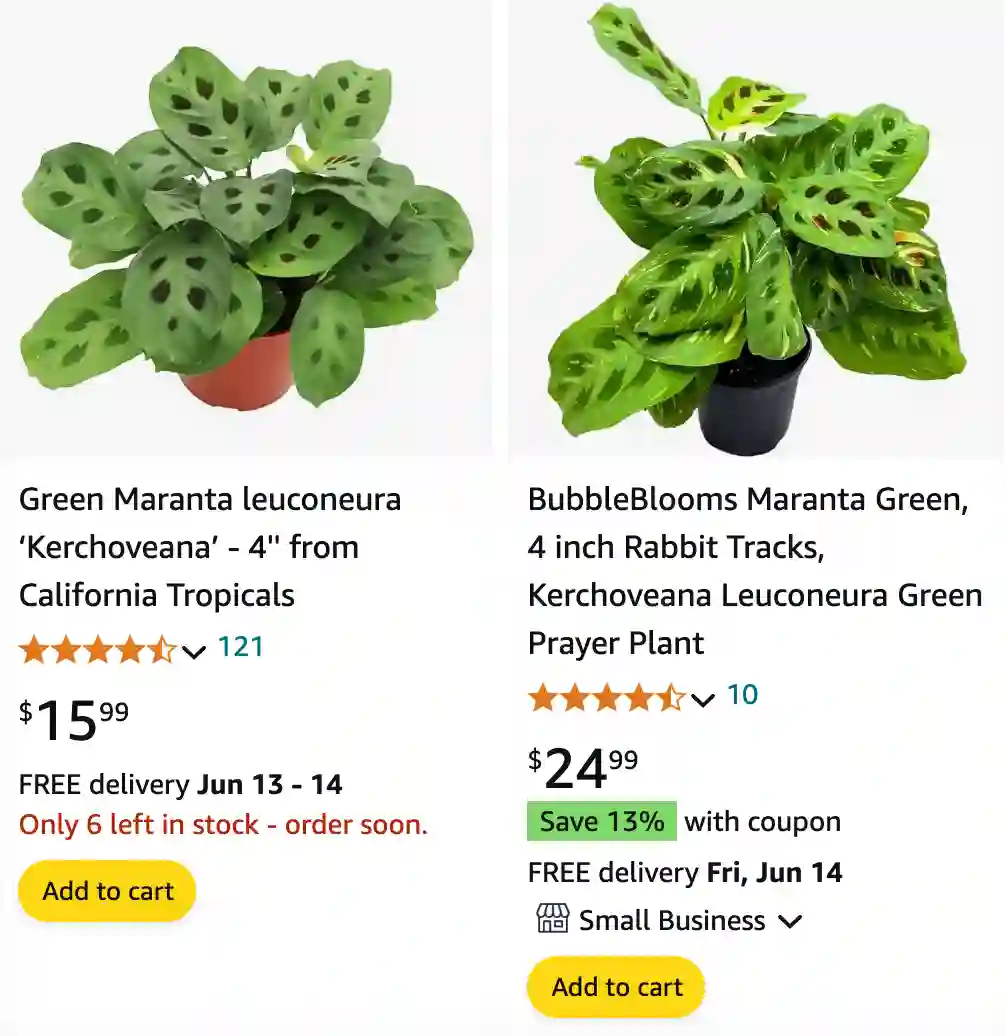
The world of houseplants is vast and varied, but few possess the captivating charm and dynamic personality of the Maranta Leuconeura Kerchoveana, affectionately known as the Prayer Plant. With its distinctive foliage that seems to dance with the sun, folding up at night and unfurling with the dawn, this plant is more than just a decorative accent; it’s a living, breathing testament to nature’s subtle wonders. Join me on an 18-month time-lapse journey as I chronicle the growth and evolution of my own Maranta, sharing insights and observations that will empower you to cultivate this botanical gem in your own home.
The Allure of the Prayer Plant: An Introduction to Maranta Leuconeura Kerchoveana
At first glance, the Maranta Leuconeura Kerchoveana might seem like just another pretty face in the crowded houseplant scene. Yet, its unique characteristics set it apart. Belonging to the Marantaceae family, this tropical beauty hails from the humid rainforests of Brazil. Its common name, “Prayer Plant,” comes from its fascinating nyctinastic movement: its leaves fold upwards at night, resembling hands clasped in prayer, and then flatten out again during the day to maximize light absorption. This daily ritual is a captivating display that adds an interactive dimension to its presence.
The ‘Kerchoveana’ cultivar is particularly prized for its striking leaf patterns. Each oval-shaped leaf boasts a vibrant light green base, adorned with distinctive dark green, almost brownish-purple, blotches that run parallel to the central vein, often described as “rabbit tracks” or “feather-like patterns.” The underside of the leaves reveals a beautiful reddish hue, adding another layer of visual interest, especially when the leaves are in their “praying” position. Unlike many houseplants grown for their flowers, the Maranta’s blooms are rather insignificant—small, delicate white or pale lavender flowers that emerge on slender stalks, often overshadowed by the spectacular foliage.
My journey with the Maranta began not with a tiny seedling, but with a small, healthy plant I acquired from a local nursery. It was a modest specimen, perhaps six inches tall, with three well-formed leaves, each bearing the characteristic “rabbit track” markings. Its humble size belied the vibrant life force within, and I was eager to witness its transformation.
Month 1-3: Settling In and First Signs of Life
The Initial Acclimation (Month 1): Bringing a new plant home is always a delicate dance of observation and adjustment. My Maranta found its new home on a shelf in my living room, bathed in bright, indirect light from a north-facing window. I made sure to keep it away from direct sunlight, which I knew could scorch its delicate leaves and fade its vibrant colors. The first few weeks were about settling in. I watered it when the top inch of soil felt dry, ensuring the water drained freely from the bottom of the pot. Humidity was my first major concern, given its rainforest origins. I placed its pot on a pebble tray filled with water, ensuring the pot itself wasn’t sitting in the water, to create a localized humid microclimate.
My Journal Entry (Week 2): “The Maranta seems to be adjusting well. Its leaves are still vibrant, and I’ve noticed the ‘prayer’ movement each evening. It’s truly mesmerizing. I’m being diligent with watering, trying to find that sweet spot between moist and soggy.”
Emerging Growth (Months 2-3): By the second month, I saw the first tangible signs of new life. A tiny, tightly furled leaf began to emerge from the base of the plant. It was a pale green at first, slowly unfurling and deepening in color as it matured, eventually revealing its characteristic dark blotches. This period was crucial for establishing a consistent care routine. I learned that Marantas are quite sensitive to tap water, often reacting to the chlorine and fluoride with brown leaf tips. Switching to filtered water made a noticeable difference, and the new leaves emerged without any browning. I also started misting the leaves daily, a practice that, while not a substitute for consistent humidity, seemed to keep the foliage looking fresh.
My Journal Entry (Month 3): “Two new leaves have unfurled beautifully! They’re a testament to consistent care. I’ve switched to filtered water exclusively, and it seems to be paying off. The plant is slowly but surely filling out its small pot.”
Month 4-6: The Growth Spurt and Understanding Its Needs
Rapid Expansion (Month 4-5): The Maranta truly hit its stride during these months. New leaves appeared with increasing frequency, and the plant began to spread outwards, its stems gently trailing over the edges of the pot. This rapid growth meant I had to be more attentive to its watering needs; it was drying out faster than before. I also realized the importance of proper soil. The nursery soil was good, but I knew for long-term health, a well-draining, aerated mix was essential. I decided to wait for a repotting session, but mentally noted it for the near future.
My Journal Entry (Month 5): “My Maranta is thriving! It’s put out at least five new leaves this month alone. It’s getting bushier, and the ‘rabbit tracks’ are so pronounced. I’m starting to think about a slightly larger pot soon.”
Fine-Tuning Care (Month 6): By the six-month mark, my Maranta was significantly larger and lusher than when I first brought it home. This period was about fine-tuning. I introduced a diluted, balanced liquid fertilizer (half strength) every two weeks during its active growing season (spring and summer). I also paid closer attention to the ambient humidity. While the pebble tray helped, I noticed some slight crisping on older leaves during particularly dry days. I considered grouping it with other humidity-loving plants to create a more effective moisture zone. This is also when I started noticing the occasional leggy stem, prompting me to consider light pruning later on.
My Journal Entry (Month 6): “The plant is a joy! It’s growing vigorously. I’ve started fertilizing, and it seems to appreciate it. I’m still battling slight crispy edges, so I’m thinking about getting a small humidifier for the room.”
Month 7-12: Maturation, Repotting, and Minor Challenges
The Repotting Milestone (Month 7): With its roots beginning to show through the drainage holes and its growth slowing slightly, it was clear my Maranta needed a new home. I chose a pot only one size larger (about 6 inches in diameter) to avoid overpotting, which can lead to root rot. I prepared a custom soil mix: equal parts good quality potting mix, perlite, and orchid bark, ensuring excellent drainage and aeration. Repotting was straightforward; I gently loosened the roots, placed the plant in its new pot, and backfilled with the fresh mix. A thorough watering followed, and I placed it back in its usual spot, monitoring for any signs of shock.
My Journal Entry (Month 7): “Repotted the Maranta today! It was a bit root-bound. The new soil mix feels much better. Hoping it settles in quickly and resumes its vigorous growth.”
Dealing with Minor Setbacks (Months 8-10): Even with the best care, plants can encounter minor issues. Around month nine, I noticed a few yellowing lower leaves. This was a sign of either overwatering or, more likely in my case, slightly inconsistent watering coupled with the natural shedding of older leaves. I adjusted my watering schedule, allowing the top two inches of soil to dry out before rewatering. I also spotted a few tiny spider mites – a common pest for Marantas, especially in drier environments. I promptly treated the plant by wiping down the leaves with a damp cloth soaked in a diluted neem oil solution, repeating the process weekly until the infestation was gone. Prevention is key, and regular leaf wiping became part of my routine.
My Journal Entry (Month 9): “Yellow leaves and spider mites! A bit disheartening, but I’m on it. Neem oil treatment has begun. A good reminder that even healthy plants need constant vigilance.”
Flowering and Continued Growth (Months 11-12): Towards the end of its first year with me, my Maranta surprised me with its first delicate white flowers. While not as showy as its leaves, they were a delightful bonus, indicating a happy and healthy plant. The plant continued to produce new leaves, and its trailing habit became more pronounced, making it an ideal candidate for a hanging basket or a high shelf. I continued with regular fertilization during the growing season and reduced it during the cooler, shorter days of winter.
My Journal Entry (Month 12): “It’s flowering! Small, but so charming. My Maranta is now a truly magnificent specimen, a full year of growth and care. It’s amazing how much it’s transformed.”
Month 13-18: Maturity, Propagation, and Long-Term Care
Embracing Its Full Form (Months 13-15): By this point, my Maranta was a mature, lush specimen. Its trailing stems had lengthened considerably, creating a beautiful cascade of patterned leaves. I continued to provide consistent care: bright, indirect light, filtered water when the top two inches of soil were dry, high humidity, and occasional feeding. I also started rotating the plant regularly to ensure even growth and prevent it from leaning towards the light source.
My Journal Entry (Month 14): “The Maranta is simply stunning. It’s become a focal point in the room. I’m thinking about propagating it soon to share its beauty.”
The Art of Propagation (Month 16): With its vigorous growth, I decided it was time to propagate my Maranta. This plant is relatively easy to propagate through stem cuttings. I selected a healthy stem with at least two nodes (the bumps where leaves and roots emerge) and a few leaves. Using clean, sharp scissors, I made a cut just below a node. I removed the lowest leaf to expose the node and placed the cutting in a glass of filtered water. Within a few weeks, tiny white roots began to emerge. Once the roots were about an inch long, I carefully planted the cutting in a small pot with a well-draining potting mix, essentially starting a new “time-lapse” journey for another plant.
My Journal Entry (Month 16): “Success! My first Maranta cutting has rooted. It’s so rewarding to see new life emerge from the parent plant. I’ll be planting it soon.”
Ongoing Vigilance and Winter Care (Months 17-18): As the cooler months approached, I adjusted my care. I reduced watering frequency, allowing the soil to dry out a bit more between waterings, and stopped fertilizing entirely. Humidity remained crucial, so the humidifier became a more constant companion. I also ensured it was away from cold drafts from windows or doors, as Marantas are sensitive to sudden temperature drops. Even in its mature state, consistent observation for pests or signs of environmental stress remained key.
My Journal Entry (Month 18): “My original Maranta is thriving, even in the cooler weather. Its growth has slowed, but it remains vibrant. The cutting is also doing well, a miniature version of its parent. This plant truly brings joy.”
Comprehensive Care Guide for Maranta Leuconeura Kerchoveana
This time-lapse journey highlights the practical aspects of caring for a Maranta. Here’s a detailed breakdown of its specific needs:
1. Light: Maranta Leuconeura Kerchoveana thrives in bright, indirect light. This means a spot near a window that receives plenty of ambient light but no direct sunbeams, especially during the harsh midday hours. An east-facing window is often ideal, providing gentle morning sun. A north-facing window also works well. Too much direct sun will scorch its leaves, causing brown, crispy patches and fading its vibrant patterns. Conversely, too little light will result in leggy growth, smaller leaves, and less pronounced leaf patterns. If your plant isn’t “praying” as actively, it might be a sign it needs more light.
2. Water: Consistent moisture is key, but never soggy. Water your Maranta when the top 1-2 inches of soil feel dry to the touch. This often translates to watering every 5-7 days, but it can vary based on humidity, temperature, and pot size. Always ensure the pot has drainage holes to prevent waterlogging. Marantas are notoriously sensitive to the chemicals (chlorine, fluoride) found in tap water, which can lead to brown leaf tips and edges. Using filtered water, distilled water, or rainwater is highly recommended. If using tap water, let it sit out for 24 hours to allow chlorine to dissipate. Signs of underwatering include drooping, curled leaves, while overwatering can lead to yellowing leaves and root rot.
3. Humidity: Originating from rainforests, Marantas absolutely crave high humidity. Aim for 50-60% relative humidity, if not higher. Low humidity is the primary cause of crispy, brown leaf edges.
- Pebble Trays: Place the pot on a tray filled with pebbles and water, ensuring the pot’s bottom doesn’t touch the water.
- Humidifier: A small room humidifier is the most effective way to maintain consistent humidity, especially in dry indoor environments.
- Grouping Plants: Grouping humidity-loving plants together can create a localized humid microclimate.
- Misting: While misting provides only a temporary boost in humidity, it can help keep the leaves clean and refreshed. Do it in the morning so leaves dry before nightfall to prevent fungal issues.
4. Soil: A well-draining, aerated, and slightly acidic soil mix is crucial. A good recipe includes:
- 1 part high-quality potting mix
- 1 part perlite or coarse sand
- 1 part orchid bark or coco coir This mix provides good drainage while retaining enough moisture.
5. Temperature: Maintain a consistent temperature between 65-80°F (18-27°C). Marantas are tropical plants and are highly sensitive to cold drafts and sudden temperature fluctuations. Keep them away from open windows in winter, air conditioning vents, and heating elements. Temperatures below 60°F (15°C) can cause leaf damage and stunted growth.
6. Fertilization: Feed your Maranta with a balanced liquid fertilizer (e.g., 10-10-10 or 20-20-20), diluted to half strength, every 2-4 weeks during its active growing season (spring and summer). Reduce or stop fertilization during fall and winter when growth naturally slows down. Over-fertilization can lead to salt buildup in the soil, burning the roots and causing leaf tip burn.
7. Repotting: Repot your Maranta every 1-2 years or when it becomes root-bound (roots emerging from drainage holes, water running straight through). Choose a pot only one size larger than the current one. Repotting is best done in spring, at the beginning of the growing season.
8. Pruning: Prune your Maranta to maintain its shape, encourage bushier growth, or remove leggy stems. Use clean, sharp scissors to snip just above a node. You can also remove any yellowing, damaged, or dead leaves to redirect the plant’s energy towards healthy growth.
9. Propagation: Maranta Leuconeura Kerchoveana is relatively easy to propagate:
- Stem Cuttings:
- Select a healthy stem with at least 2-3 nodes and a few leaves.
- Cut just below a node using clean, sharp scissors.
- Remove any leaves from the lowest node to expose it.
- Place the cutting in a glass of filtered water, ensuring the node is submerged.
- Place in a warm, bright spot with indirect light.
- Change the water every few days.
- Roots should appear in 2-4 weeks. Once roots are 1-2 inches long, plant in a small pot with appropriate soil.
- Division: When repotting a mature plant, you can gently separate the root ball into smaller sections, ensuring each section has roots and stems. Plant each division into its own pot.
Common Problems and Solutions
Even with diligent care, Marantas can present challenges. Here’s how to troubleshoot common issues:
- Brown, Crispy Leaf Edges/Tips:
- Cause: Most commonly, low humidity or chemical sensitivity to tap water.
- Solution: Increase humidity (humidifier, pebble tray), switch to filtered/distilled/rainwater.
- Yellowing Leaves:
- Cause: Often overwatering, but can also be underwatering, nutrient deficiency, or natural aging of lower leaves.
- Solution: Check soil moisture; ensure proper drainage. Adjust watering schedule. If consistent, consider a balanced fertilizer.
- Drooping Leaves (during the day):
- Cause: Underwatering is the most common reason.
- Solution: Water thoroughly. Leaves should perk up within a few hours.
- Faded Leaf Patterns/Small Leaves:
- Cause: Insufficient light.
- Solution: Move to a brighter spot with indirect light.
- Pests (Spider Mites, Mealybugs, Aphids):
- Identification: Look for tiny webs, sticky residue, or small insects on leaves and stems.
- Solution: Isolate the plant. Wipe leaves with a damp cloth. Treat with insecticidal soap or diluted neem oil solution. Repeat treatment regularly until pests are gone. Increase humidity, as spider mites thrive in dry conditions.
- Root Rot:
- Cause: Persistent overwatering and poor drainage.
- Symptoms: Mushy stems, yellowing leaves, foul smell from soil.
- Solution: Act quickly. Remove plant from pot, trim off any mushy, black roots. Repot in fresh, well-draining soil and a clean pot. Adjust watering habits.
Maranta Leuconeura Kerchoveana vs. Calathea: A Common Comparison
Marantas are often confused with their close relatives, Calatheas, and for good reason—both belong to the Marantaceae family and exhibit the captivating “prayer” movement. However, there are distinct differences:
| Feature | Maranta Leuconeura Kerchoveana | Calathea |
|---|---|---|
| Common Name | Prayer Plant | Prayer Plant, Peacock Plant, Zebra Plant, Rattlesnake Plant |
| Leaf Texture | Generally smoother, slightly velvety to the touch. | Often has a more papery or waxy feel, sometimes ribbed. |
| Leaf Pattern | Distinctive “rabbit track” or “feather-like” blotches. | Highly diverse patterns, often with intricate stripes, spots, and contrasting colors. |
| Underside Color | Typically reddish-purple. | Varies widely by species, can be purple, red, or green. |
| Growth Habit | More trailing and spreading, often lower-growing. | Tends to be more upright and bushy, though some trail. |
| Care Difficulty | Generally considered slightly more forgiving than Calatheas. | Can be more temperamental, requiring very precise conditions. |
| Sensitivity | Sensitive to tap water and low humidity. | Extremely sensitive to tap water, low humidity, and temperature fluctuations. |
While both require similar care in terms of light, water, and humidity, Marantas are often recommended as a slightly easier entry point into the world of “prayer plants” due to their marginally more tolerant nature compared to some Calathea varieties.
The Enduring Appeal and Benefits
Beyond its stunning aesthetics, the Maranta Leuconeura Kerchoveana offers several benefits to the indoor gardener:
- Air Purification: Like many houseplants, Marantas contribute to indoor air quality by absorbing common toxins and releasing oxygen, though their impact is modest compared to larger plants.
- Dynamic Beauty: The daily “prayer” movement is a constant source of fascination and a reminder of the plant’s living nature.
- Relatively Compact: Its spreading, trailing habit makes it suitable for shelves, hanging baskets, or as a tabletop plant, fitting well into various indoor spaces.
- Pet-Friendly: Unlike some popular houseplants, Marantas are generally considered non-toxic to cats and dogs, making them a safer choice for homes with pets.
Conclusion: A Lush Reward for Patient Care
My 18-month journey with the Maranta Leuconeura Kerchoveana has been a deeply rewarding experience. From a modest nursery plant, it has transformed into a lush, vibrant specimen, each new leaf a testament to consistent care and observation. The “time-lapse” perspective truly highlights the subtle yet profound changes that occur when we provide our plants with the right environment.
The Prayer Plant is more than just a beautiful houseplant; it’s an interactive companion that teaches patience, observation, and the delicate balance of nature. Its daily ritual of folding and unfolding leaves is a constant source of wonder, reminding us of the quiet, persistent life that thrives within our homes. Whether you’re a seasoned plant parent or just beginning your green journey, the Maranta Leuconeura Kerchoveana is a plant that promises not just beauty, but a captivating connection to the natural world. Give it the love and attention it deserves, and it will reward you with years of lush growth and daily botanical prayer.

If i die, water my plants!