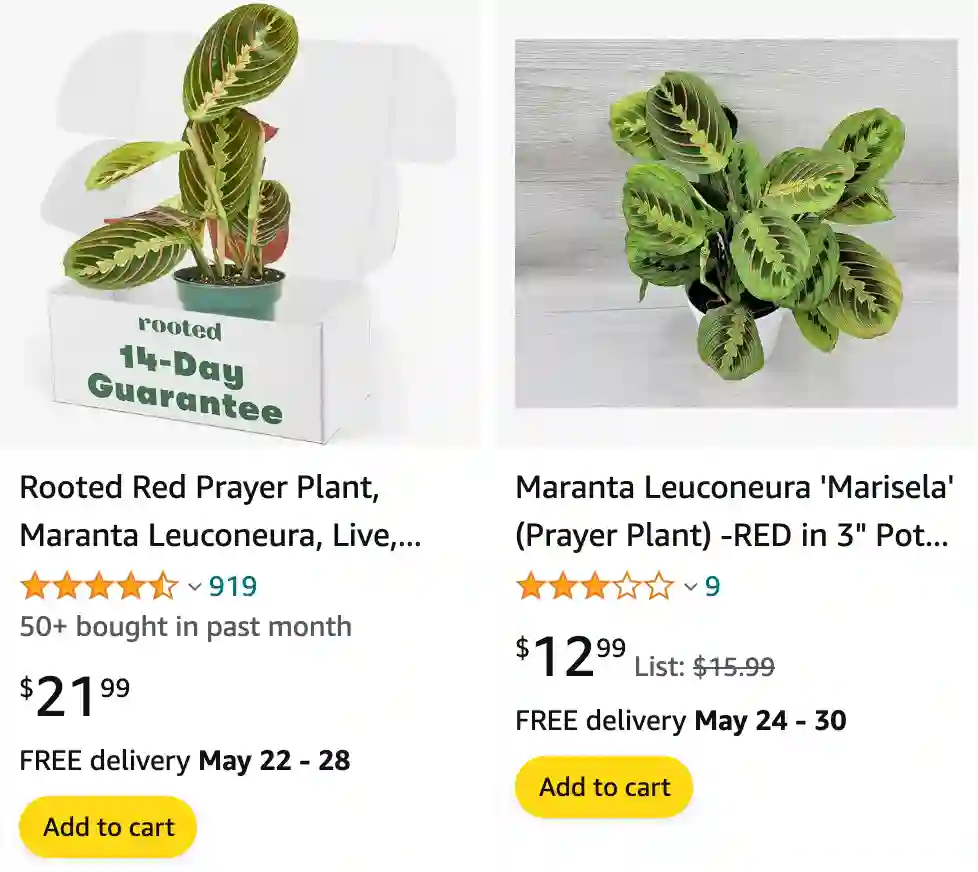
In the vibrant tapestry of indoor gardening, few plants capture the imagination quite like the Maranta leuconeura, affectionately known as the Prayer Plant. With its strikingly patterned foliage and captivating daily movements, this tropical gem brings a dynamic sense of life and serenity to any space. Far from being a static decoration, the Prayer Plant performs a nightly ritual, folding its leaves upwards as if in silent supplication, only to unfurl them again with the morning light. This unique behavior, combined with its relatively easy care (once its specific needs are understood), makes it a cherished addition for both novice and seasoned plant enthusiasts.
This comprehensive guide will delve deep into the world of Maranta leuconeura, exploring its botanical intricacies, providing an exhaustive care regimen, addressing common challenges, and even sharing a personal “time-lapse” journey of nurturing this fascinating plant from a small sprout to a thriving specimen over five years.
Unveiling the Maranta Leuconeura: Botanical Roots and Remarkable Varieties
The Maranta leuconeura belongs to the Marantaceae family, a group of tropical flowering plants renowned for their distinctive foliage and the characteristic “prayer” movement. Native to the humid rainforests of Brazil, this rhizomatous perennial thrives under the dense canopy, where it receives dappled sunlight and enjoys consistently high humidity.
Botanical Classification:
- Kingdom: Plantae
- Clade: Tracheophytes, Angiosperms, Monocots, Commelinids
- Order: Zingiberales
- Family: Marantaceae
- Genus: Maranta
- Species: Maranta leuconeura
The specific epithet leuconeura translates to “white-veined,” a direct reference to the prominent vein patterns found on many of its varieties. Beyond its scientific name, it’s known by several charming common names, including Prayer Plant, Herringbone Plant, Rabbit’s Foot, and Red-Veined Prayer Plant, each hinting at its unique visual appeal.
The “Prayer” Phenomenon: Nyctinasty Explained
The most enchanting characteristic of the Maranta leuconeura is its daily leaf movement, scientifically termed nyctinasty. During the day, the leaves lie relatively flat, maximizing light absorption. As dusk falls, specialized joints at the base of each leaf, called pulvini, respond to changes in light and temperature by swelling or shrinking. This causes the leaves to fold upwards, resembling hands clasped in prayer. Come dawn, the pulvini relax, and the leaves flatten out once more. This fascinating diurnal rhythm is believed to be an evolutionary adaptation to protect the leaves from excessive heat and conserve moisture during the cooler night hours in its native habitat.
Popular Varieties: A Palette of Patterns
While Maranta leuconeura is the species, several popular varieties and cultivars offer a stunning array of leaf patterns and colors, each with its own unique charm:
- Maranta leuconeura var. erythroneura (‘Red Vein’ or ‘Fascinator Tricolor’): Perhaps the most iconic variety, ‘Red Vein’ boasts deep green leaves adorned with striking, vibrant red veins that resemble a fishbone pattern, often complemented by a lighter green or yellowish-green central variegation. The undersides of the leaves are typically a rich reddish-purple, adding to its dramatic appeal.
- Maranta leuconeura var. kerchoveana (‘Rabbit’s Foot’): This variety features light green leaves with distinct, dark green or brownish-purple blotches that appear in pairs on either side of the midrib, resembling rabbit footprints. Its underside is usually a grayish-green.
- Maranta leuconeura ‘Lemon Lime’: A newer and increasingly popular cultivar, ‘Lemon Lime’ showcases a captivating contrast with its dark green leaves and bright, almost neon-green or yellowish-green veins, creating a dazzling effect.
- Maranta leuconeura ‘Black Vein’ (often sold as ‘Massangeana’): This variety presents dark green leaves with prominent silver or white veins and blotches along the midrib, creating a sophisticated, almost metallic appearance. The undersides are typically a deep purple.
- Maranta leuconeura var. leuconeura (Green Prayer Plant): The wild type, often with less pronounced variegation than its cultivars, featuring generally green leaves with lighter green markings.
Each variety offers a unique visual experience, allowing enthusiasts to collect a diverse range of Prayer Plants that collectively showcase the beauty of this genus.
Mastering Maranta Care: A Comprehensive Guide to Thriving Foliage
While Maranta leuconeura is often considered somewhat finicky, understanding its specific environmental preferences, which mimic its rainforest origins, is key to its success. Providing consistent care will reward you with lush, vibrant foliage and the mesmerizing “prayer” movement.
Light Requirements
Prayer Plants thrive in bright, indirect light. This means a location where they receive ample ambient light but are shielded from direct sunbeams.
- Ideal Placement: An east or north-facing window is often perfect, providing gentle morning sun or consistent indirect light throughout the day. If placing near a south or west-facing window, ensure it’s several feet away or behind a sheer curtain to diffuse intense afternoon sun.
- Avoid Direct Sunlight: Direct sun will scorch the delicate leaves, leading to brown, crispy patches and faded variegation.
- Low Light Tolerance: While they can tolerate lower light conditions, growth will be slower, and the vibrant patterns on the leaves may become dull or less pronounced.
- Signs of Incorrect Light:
- Too much light: Faded leaf color, brown spots, crispy edges, leaves curling inward.
- Too little light: Leggy growth (long, stretched stems with sparse leaves), dull leaf color, reduced variegation, less pronounced leaf movement.
Watering
Consistent moisture is paramount for Prayer Plants, but they are highly susceptible to root rot if overwatered. The goal is consistently moist, but never soggy, soil.
- Frequency: Water when the top 1-2 inches (2.5-5 cm) of soil feel dry to the touch. This might mean every 5-7 days in warmer months and less frequently (every 10-14 days) in cooler, dormant periods. Always check the soil moisture before watering.
- Water Type: Prayer Plants are sensitive to chemicals in tap water, particularly fluoride and chlorine, which can cause brown leaf tips. Whenever possible, use filtered, distilled, or rainwater at room temperature. Cold water can shock the roots.
- Watering Technique: Water thoroughly until water drains from the bottom of the pot. Ensure the pot is not sitting in standing water, as this leads to root rot. Bottom watering (placing the pot in a tray of water and allowing it to soak up from the drainage holes) can also be effective.
- Signs of Incorrect Watering:
- Underwatering: Drooping, limp leaves, crispy edges, slow growth.
- Overwatering: Yellowing leaves, mushy stems, root rot (foul smell from soil, black/mushy roots), leaf drop.
Humidity
High humidity is perhaps the single most critical factor for a thriving Maranta. They originate from rainforest understories, where humidity levels are consistently high.
- Ideal Range: Aim for 60-80% humidity.
- Methods to Increase Humidity:
- Pebble Tray: Place the potted plant on a tray filled with pebbles and a shallow layer of water. Ensure the bottom of the pot does not sit directly in the water to prevent root rot. As the water evaporates, it increases humidity around the plant.
- Humidifier: The most effective method, especially in dry indoor environments. Place a humidifier near your plant.
- Misting: While misting can provide a temporary boost, it’s not a long-term solution for high humidity. If you mist, do so frequently (daily) with filtered water, ensuring good air circulation to prevent fungal issues. Avoid misting directly onto the leaves to the point of saturation.
- Grouping Plants: Plants release moisture through transpiration, so grouping several plants together can create a localized microclimate with higher humidity.
- Location: Bathrooms or kitchens often have naturally higher humidity levels, making them ideal spots for Prayer Plants.
- Signs of Low Humidity: Brown, crispy leaf edges or tips, leaves curling inwards, overall lack of vigor.
Soil
A well-draining, moisture-retentive, and slightly acidic potting mix is ideal.
- Recommended Mix: A good blend consists of equal parts peat moss, perlite (or coarse sand/vermiculite), and a good quality potting soil. Some growers also add a small amount of orchid bark or coco coir for aeration and moisture retention.
- pH: Slightly acidic, around 6.0-6.5.
- Drainage: Crucial to prevent waterlogging and root rot. Ensure the pot has adequate drainage holes.
Temperature
Maranta leuconeura prefers warm, stable temperatures, mimicking its tropical habitat.
- Ideal Range: Between 18°C and 27°C (65°F and 80°F).
- Minimum Temperature: Do not expose them to temperatures below 15°C (60°F), as cold can cause significant stress, leading to leaf drop and stunted growth.
- Avoid Fluctuations: Keep them away from cold drafts, open windows in winter, air conditioning vents, and heating radiators, as sudden temperature changes can shock the plant.
Fertilization
During the active growing season (spring and summer), Maranta leuconeura benefits from regular feeding.
- Frequency: Fertilize every 2-4 weeks.
- Type: Use a balanced, water-soluble liquid fertilizer specifically formulated for houseplants.
- Dilution: Always dilute the fertilizer to half or even quarter strength of the manufacturer’s recommendations to prevent nutrient burn.
- Dormancy: Reduce or cease fertilization entirely during fall and winter when the plant’s growth naturally slows down.
- Flush Soil: Periodically (e.g., every few months), flush the soil with plain, filtered water to prevent salt and mineral buildup from fertilizers.
Potting and Repotting
Prayer Plants do not require frequent repotting due to their relatively shallow root systems.
- Frequency: Repot every 1-3 years, or when the plant becomes visibly root-bound (roots circling the pot, water draining too quickly, stunted growth).
- Timing: The best time to repot is in spring or early summer, at the beginning of the growing season.
- Pot Size: Choose a pot that is only slightly larger (1-2 inches in diameter) than the current one. A pot that is too large can hold excess moisture, increasing the risk of root rot.
- Drainage: Always use a pot with drainage holes.
- Process: Gently remove the plant from its old pot, loosen any circling roots, and replant in fresh potting mix. Water thoroughly after repotting.
Pruning
Pruning helps maintain a bushy, compact shape and encourages new growth.
- Purpose: Remove leggy stems (stems with sparse leaves), yellowing or damaged leaves, and spent flower stalks (which are usually insignificant indoors).
- Technique: Use clean, sharp scissors or pruning shears. Cut just above a leaf node (the point where a leaf or stem branches off), as this is where new growth will emerge.
- Timing: Prune in spring or early summer to encourage new growth during the active season.
Propagating Your Prayer Plant: Expanding Your Green Collection
Propagating Maranta leuconeura is a rewarding way to create new plants from your existing one, or to salvage cuttings from pruning. There are two primary methods: stem cuttings (in water or soil) and division.
1. Stem Cuttings
This is the most common and often easiest method.
a. Water Propagation:
- Select a Cutting: Choose a healthy stem with at least 2-3 leaves and a visible node (the bump on the stem where leaves emerge). Cut about 1 inch (2.5 cm) below a node using clean, sharp scissors or pruners. Remove any leaves that would be submerged in water to prevent rot.
- Place in Water: Put the cutting in a clear glass or jar filled with room-temperature filtered or distilled water. Ensure the node is submerged, but leaves remain above the waterline.
- Location: Place the jar in a spot with bright, indirect light.
- Maintenance: Change the water every few days to keep it fresh and prevent bacterial growth.
- Rooting: Roots should begin to appear within 2-4 weeks, though it can take longer. Wait until the roots are at least 1-2 inches (2.5-5 cm) long before potting.
- Potting: Carefully transfer the rooted cutting to a small pot (e.g., 4-inch) filled with a well-draining Maranta potting mix. Water thoroughly.
b. Soil Propagation:
- Prepare Cutting: Follow step 1 from water propagation. Optionally, dip the cut end in rooting hormone to encourage faster root development.
- Prepare Pot: Fill a small pot with a well-draining, moist potting mix (the same as for mature Marantas).
- Plant Cutting: Make a small hole in the soil and insert the cutting, ensuring at least one node is buried. Gently firm the soil around the base.
- Create Humidity: To maintain high humidity, cover the pot loosely with a clear plastic bag or dome, ensuring it doesn’t touch the leaves. You can also place it in a propagation box or near a humidifier.
- Location & Care: Place in bright, indirect light. Keep the soil consistently moist but not soggy.
- Rooting: Roots typically form within 4-8 weeks. You’ll know it has rooted when you feel resistance when gently tugging on the cutting, or when new growth appears.
2. Division
This method is ideal for larger, more mature Prayer Plants that have developed multiple growth points or are becoming root-bound. It’s best done during repotting in spring.
- Remove from Pot: Gently take the plant out of its pot.
- Loosen Soil: Carefully shake or tease away excess soil from the root ball to expose the individual sections.
- Identify Divisions: Look for natural groupings of stems and roots that can be separated into individual plants. Each division should have a healthy root mass and at least a few stems with leaves.
- Separate: Gently pull the sections apart. If they are tangled, you may need to use a clean, sharp knife to cut through some roots, ensuring minimal damage.
- Repot: Plant each new division into its own pot filled with fresh Maranta potting mix. Choose a pot size appropriate for the new root ball.
- Aftercare: Water thoroughly and place the newly potted plants in a spot with bright, indirect light and high humidity. They may experience some shock initially but should recover and thrive.
Troubleshooting Common Maranta Challenges: Diagnosing and Healing Your Plant
Even with the best intentions, Maranta leuconeura can present a few common issues. Understanding the symptoms and their underlying causes is crucial for effective troubleshooting.
Pests
Prayer Plants can occasionally fall victim to common houseplant pests, especially in dry conditions.
- Spider Mites: Tiny, red or brown mites that create fine webbing on the undersides of leaves and stems. Leaves may appear stippled or dusty.
- Solution: Increase humidity (they hate humidity!), wipe leaves with a damp cloth, use insecticidal soap, or neem oil. Repeat treatments are often necessary.
- Mealybugs: Small, white, cottony insects that cluster in leaf axils and on stems, sucking plant sap.
- Solution: Dab directly with alcohol-dipped cotton swabs, spray with insecticidal soap, or apply neem oil.
- Aphids & Thrips: Less common but can appear. Small, soft-bodied insects that feed on new growth.
- Solution: Rinse the plant with water, use insecticidal soap, or neem oil.
Regular inspection of your plant, especially the undersides of leaves, can help catch infestations early.
Diseases
Most diseases in Maranta leuconeura are related to improper watering or humidity.
- Root Rot: Caused by overwatering and poorly draining soil, leading to roots suffocating and decaying.
- Symptoms: Yellowing, wilting leaves, mushy stems, stunted growth, foul smell from the soil.
- Solution: If caught early, repot into fresh, dry soil, trimming away any black, mushy roots. Ensure proper drainage and adjust watering habits. Severely affected plants may not recover.
- Fungal Leaf Spots: Appears as brown or black spots, often with a yellow halo, on leaves. Caused by overly wet leaves and poor air circulation.
- Symptoms: Discolored spots on foliage.
- Solution: Improve air circulation, avoid misting excessively (especially in the evenings), and remove affected leaves. Fungicides can be used in severe cases.
Environmental Issues
These are often the most common problems faced by Prayer Plant owners.
- Brown, Crispy Leaf Tips/Edges:
- Causes: Low humidity (most common), underwatering, fluoride or chlorine in tap water, excessive fertilizer salts.
- Solution: Increase humidity (humidifier, pebble tray), ensure consistent watering, use filtered/distilled water, flush soil periodically.
- Yellowing Leaves:
- Causes: Overwatering (most common), nutrient deficiency, natural aging of older leaves, too much direct light.
- Solution: Check soil moisture, adjust watering frequency, fertilize during growing season, ensure proper light. Remove old, yellowed leaves.
- Drooping Leaves:
- Causes: Underwatering (leaves will feel dry and limp), overwatering (leaves may be soft and mushy), temperature shock (too cold).
- Solution: Check soil moisture and adjust watering. Ensure stable, warm temperatures.
- Faded Leaves or Loss of Variegation:
- Causes: Too much direct light (bleaches colors), too little light (colors become dull), nutrient deficiency.
- Solution: Move to a spot with bright, indirect light. Ensure regular fertilization during the growing season.
- Leggy Growth (Long, Stretched Stems with Sparse Leaves):
- Causes: Insufficient light.
- Solution: Move to a brighter location with indirect light. Prune back leggy stems to encourage bushier growth.
Maranta Leuconeura vs. Its Cousins: A Comparative Look
The Marantaceae family is a treasure trove of beautiful foliage plants, and Maranta leuconeura is often confused with its close relatives: Calathea, Stromanthe, and Ctenanthe. While they share similar care requirements and the fascinating nyctinasty (leaf movement), there are subtle differences.
- Maranta vs. Calathea:
- Appearance: Marantas typically have a more trailing or spreading growth habit, with thinner, more delicate leaves. Their patterns often feature prominent veins and blotches. Calatheas tend to be more upright and bushy, with thicker, often more oval leaves, and a wider variety of intricate patterns (stripes, spots, feathery designs). Many Calatheas also have vibrant purple or maroon undersides.
- Leaf Movement: Both exhibit nyctinasty, but Maranta’s movement is often described as more pronounced and “prayer-like.”
- Care: Calatheas are generally considered more demanding regarding humidity and water quality than Marantas.
- Maranta vs. Stromanthe:
- Appearance: Stromanthe plants (e.g., Stromanthe sanguinea ‘Triostar’) are known for their larger, elongated leaves with striking combinations of green, cream, and pink variegation on the top, and a deep magenta underside. They tend to grow larger and more upright than Marantas.
- Leaf Movement: Stromanthe also exhibits nyctinasty.
- Care: Similar to Calatheas, Stromanthes require high humidity and consistent moisture, often being slightly less forgiving than Marantas.
- Maranta vs. Ctenanthe:
- Appearance: Ctenanthes (e.g., Ctenanthe setosa ‘Grey Star’) often have elongated, lance-shaped leaves with distinct patterns, sometimes silvery-grey or dark green, and often purple undersides. They can grow quite tall and bushy.
- Leaf Movement: They also display nyctinasty.
- Care: Ctenanthes share similar humidity and watering needs with Marantas and Calatheas.
While these plants share a family resemblance and love for humidity, Maranta leuconeura often stands out for its relatively compact size, distinct vein patterns, and perhaps slightly more forgiving nature compared to some of the more notoriously finicky Calatheas.
Is Maranta Leuconeura Safe? Toxicity for Pets and Humans
One of the most reassuring aspects of the Maranta leuconeura is its non-toxic nature. It is considered safe for both pets (cats, dogs, and other common household animals) and humans. This makes it an excellent choice for homes with curious pets or small children, offering peace of mind while adding natural beauty.
Beyond Beauty: The Benefits of Owning a Prayer Plant
Beyond its undeniable aesthetic appeal and captivating leaf movements, the Maranta leuconeura offers several benefits that contribute to a healthier and more enjoyable indoor environment.
- Air Purification (Minor): Like many houseplants, Marantas contribute to minor air purification by absorbing some airborne toxins and releasing oxygen. While not as potent as some larger plants, every bit helps in improving indoor air quality.
- Stress Reduction: The act of caring for plants, observing their growth, and witnessing the unique “prayer” movement can be incredibly therapeutic and stress-reducing.
- Natural Humidity Boost: By requiring high humidity, Marantas can encourage you to create a more humid environment, which can also benefit human health, especially in dry climates or during winter.
- Low Maintenance (Relative): Once its specific needs for humidity and watering are met, the Prayer Plant is relatively low-maintenance, making it a rewarding plant for those who appreciate consistent care over constant intervention.
A Gardener’s Time-Lapse Chronicle: My 5-Year Journey with Maranta Leuconeura
My journey with the Maranta leuconeura began five years ago, a humble start that blossomed into a deep appreciation for this plant’s rhythmic beauty and resilience. It’s been a time-lapse of growth, learning, and the quiet joy of nurturing life.
Year 1: The Humble Beginnings – A Tiny Sprout Finds Its Home
I remember the day I brought my first Maranta leuconeura ‘Red Vein’ home. It was a small, unassuming plant, just a few inches tall with four delicate leaves, each bearing the promise of vibrant red veins. I was captivated by the idea of a “prayer plant” and its nightly ritual. I placed it in a terracotta pot with good drainage, using a standard houseplant mix, and set it on a shelf near an east-facing window.
The first few months were a learning curve. I quickly realized that my initial watering schedule was too inconsistent, leading to some droopy leaves. The dry air in my apartment also caused the tips of the leaves to turn crispy. I started misting it daily, which helped a little, but the real game-changer was when I invested in a small humidifier. Within weeks, the new leaves emerged perfectly, and the existing crispy tips stopped worsening. I also learned to use filtered water, noticing a significant improvement in leaf health. By the end of the first year, my little Maranta had doubled in size, with a handful of new leaves unfurling, each one a testament to consistent humidity and careful watering. Its nightly prayer was a delightful sight.
Year 2: Finding Its Rhythm – Establishing Growth and First Repotting
By the second year, my Maranta had settled into a comfortable rhythm. It was actively putting out new leaves, and its stems were beginning to trail gracefully over the edge of the pot. I noticed that the roots were starting to peek out of the drainage holes, a clear sign it was becoming root-bound.
In early spring, I decided it was time for its first repotting. I chose a pot only slightly larger, about 6 inches in diameter, and prepared a custom soil mix: equal parts peat moss, perlite, and regular potting soil. The repotting process was surprisingly easy; the shallow root ball came out cleanly. I gently teased apart a few outer roots and settled the plant into its new home. The plant showed minimal signs of shock, and within a few weeks, it was pushing out even more vigorous growth. This year, I also started a light fertilization regimen during the spring and summer, using a diluted liquid houseplant fertilizer every month. The leaves grew larger and the red veins became even more pronounced, a vibrant contrast against the deep green.
Year 3: Lush and Lively – Fuller Growth and Propagation Attempts
The third year was a period of abundant growth. My Maranta was now a lush, sprawling plant, its foliage creating a dense, vibrant mound. Its trailing stems were long and healthy, and I decided it was time to try propagating it. I chose a few healthy stems that had at least three leaves and a prominent node, cutting about an inch below the node.
I tried both water and soil propagation. For the water cuttings, I placed them in small glass jars on the same humidified shelf. For the soil cuttings, I planted them directly into a small pot with the same Maranta mix and covered them with a clear plastic bag to create a mini-greenhouse effect. Within about three weeks, the water cuttings began to show tiny white roots, a truly exciting moment! The soil cuttings took a bit longer, but after about six weeks, they felt firmly rooted when I gave a gentle tug. By the end of the year, I had three new, small Maranta plants, each a perfect miniature of the parent. It felt incredibly rewarding to expand my collection from just one plant.
Year 4: Overcoming Challenges – A Pest Scare and Resilient Recovery
My fourth year with the Maranta wasn’t without its challenges. During a particularly dry winter, despite the humidifier, I noticed tiny, almost invisible webs on the undersides of some leaves, and a fine stippling on the foliage. My heart sank – spider mites.
I immediately isolated the plant. My first line of defense was a thorough shower, rinsing the leaves vigorously to dislodge as many mites as possible. Then, I began a regimen of wiping down every leaf, top and bottom, with a damp cloth soaked in a diluted neem oil solution every few days. I also increased the humidifier’s output and grouped the plant with other humidity-loving plants. It was a tedious process, but within two weeks, the webbing was gone, and new, healthy growth started to emerge. This experience reinforced the importance of consistent humidity and regular inspection. My Maranta, though a bit battered from the ordeal, proved its resilience, slowly but surely bouncing back to its former glory.
Year 5: A Mature Companion – Thriving and Continued Admiration
Now, entering its fifth year, my Maranta leuconeura is a magnificent specimen. It occupies a prominent spot in my living room, its broad, patterned leaves unfurling with purpose each morning and folding with grace each evening. It has even produced a few tiny, delicate white flowers on slender stalks, though they are indeed insignificant compared to the stunning foliage.
I continue to follow its established care routine: regular watering with filtered water when the top inch of soil is dry, consistent high humidity from the humidifier, monthly fertilization during the growing season, and occasional pruning to maintain its shape. It’s a testament to consistency and understanding a plant’s needs. My Maranta is more than just a houseplant; it’s a living, breathing piece of art that brings a sense of calm and wonder to my home, a constant reminder of the beauty and rhythm of nature. Its journey, from a tiny sprout to a lush, thriving companion, has been a truly rewarding time-lapse to witness.
Conclusion
The Maranta leuconeura, or Prayer Plant, is a truly captivating houseplant that offers a unique blend of vibrant aesthetics and dynamic behavior. While it demands consistent attention to its specific needs for humidity, light, and water, the rewards are immeasurable. Its striking foliage, mesmerizing nightly movements, and non-toxic nature make it an ideal choice for adding a touch of tropical elegance and living art to any indoor space. By understanding its rainforest origins and providing the care it craves, you too can embark on a rewarding journey with this rhythmic beauty, watching it unfurl its charm, one prayerful leaf at a time.

If i die, water my plants!