Hi, I’m Ferb Vu, and today I want to share what I’ve learned about Myrica Californica, commonly known as California bayberry or Pacific wax myrtle. Over the years, I’ve spent time growing and studying this native shrub, and it’s become one of my favorite plants for coastal and garden landscapes. If you’re curious about this versatile plant, you’re in the right place. Below, I’ll answer common questions and compare it with similar plants to help you understand why Myrica Californica might be a great addition to your garden.
What Is Myrica Californica?
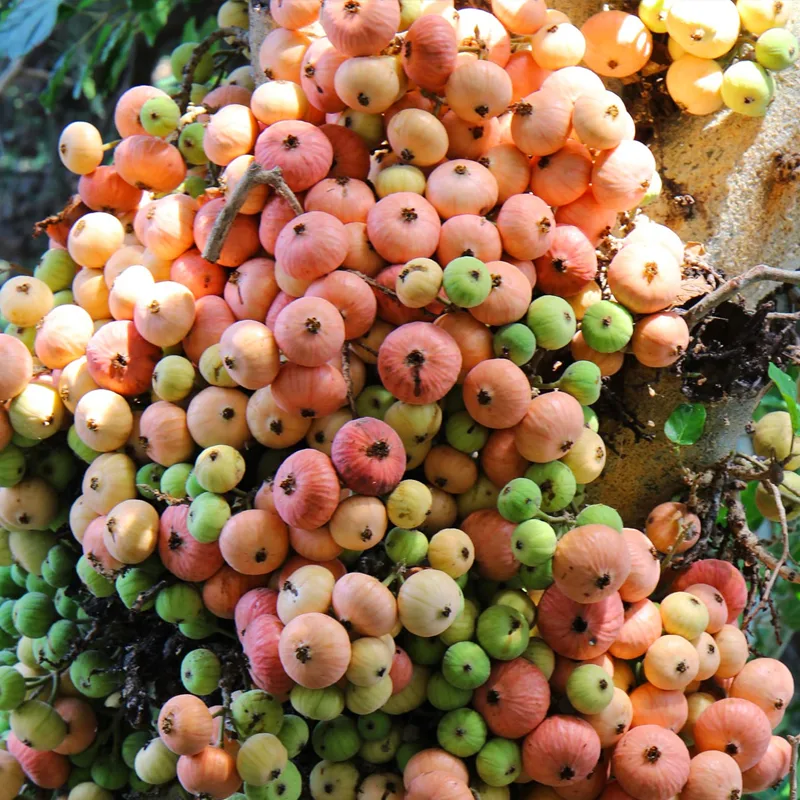
Myrica Californica is an evergreen shrub or small tree native to the western coastal regions of North America, especially California and Oregon. It thrives in coastal scrub, chaparral, and forest edges. I love its aromatic leaves, which give off a bay-like scent when crushed, and the waxy blue-gray berries it produces in fall and winter.
This plant grows between 6 to 20 feet tall, making it perfect for hedges, windbreaks, or natural borders. It’s incredibly hardy, drought-tolerant once established, and supports local wildlife by providing food and shelter for birds.
How Do I Care for Myrica Californica?
From my experience, Myrica Californica is low maintenance, which is one reason I recommend it to both beginners and experienced gardeners. It prefers well-drained soil and can tolerate a range of soil types, from sandy to clay. I found that it grows best in full sun to partial shade. In coastal areas, it’s resilient to salty winds, which is a big plus if you live near the ocean.
Watering is moderate—new plants need regular watering until established, but mature plants are quite drought-resistant. Pruning is simple: a light trim after flowering keeps it tidy. Avoid heavy pruning since it grows slowly compared to other shrubs.
How Does Myrica Californica Compare to Other Native Shrubs?
When I compare Myrica Californica to other native plants like Arctostaphylos (manzanita) or Ceanothus (California lilac), I notice several differences:
- Foliage and Scent: Myrica has waxy, aromatic leaves, whereas manzanita leaves are smooth and leathery but lack the bay scent. Ceanothus leaves vary, but none have that distinctive aroma.
- Fruit: Myrica produces waxy berries that birds love. Manzanita also produces berries but they are dry and more persistent. Ceanothus has clusters of tiny flowers followed by seed capsules.
- Growth Habit: Myrica Californica can grow taller and denser, making it ideal for windbreaks. Manzanita tends to be more shrub-like with a twisting trunk, and Ceanothus is often a low-spreading shrub.
- Water Needs: Myrica is drought-tolerant but appreciates occasional watering. Manzanita and Ceanothus generally require less water once established.
Is Myrica Californica Good for Wildlife?
Absolutely. From what I’ve observed, Myrica Californica is excellent for local ecosystems. Its berries provide an important winter food source for birds such as robins, thrushes, and waxwings. The dense foliage offers shelter and nesting sites for small birds and insects.
Plus, Myrica has nitrogen-fixing abilities thanks to root nodules housing beneficial bacteria. This means it enriches the soil by increasing nitrogen levels, which helps nearby plants thrive.
Can Myrica Californica Be Used in Landscaping?
Yes! I often use it in naturalistic garden designs because it fits well with other California natives. Here are some landscaping ideas I’ve tried:
- Hedges and Screens: Its dense growth makes a great privacy screen.
- Erosion Control: On slopes or banks, it stabilizes soil.
- Wildlife Gardens: Perfect for attracting birds and beneficial insects.
- Coastal Gardens: Salt and wind tolerance make it ideal near the ocean.
If you want a low-maintenance, evergreen shrub that adds texture and scent, Myrica Californica is a winner.
How Does Myrica Californica Differ from Bay Laurel (Laurus Nobilis)?
Many people confuse Myrica Californica with Bay Laurel, mainly because both have aromatic leaves used as seasoning. Here’s how I differentiate them:
- Leaves: Bay Laurel leaves are thicker, shinier, and have a stronger culinary aroma. Myrica leaves are smaller, duller, and have a more resinous scent.
- Growth Form: Bay Laurel can grow into a tall tree up to 40 feet, whereas Myrica Californica is more shrub-like or a small tree.
- Uses: Bay Laurel leaves are commonly used in cooking. Myrica Californica’s leaves are not typically used in cuisine but are valued for their ecological role.
- Berries: Bay Laurel produces dark purple berries but they are not waxy. Myrica’s berries are wax-coated and bluish-gray.
What Are the Soil and Climate Requirements for Myrica Californica?
I’ve grown Myrica Californica mostly along the West Coast, where it thrives in Mediterranean climates with mild, wet winters and dry summers. It tolerates:
- Soil: Prefers well-drained soil but adapts to sandy, loamy, or even clay soils.
- pH: Slightly acidic to neutral soils suit it best.
- Climate: Zones 7 to 10, which means it does well in frost-free areas but can tolerate light frost.
Can Myrica Californica Be Propagated Easily?
Yes, I’ve propagated Myrica Californica through seeds and cuttings with good success. Seeds require cold stratification (a period of cold treatment) to break dormancy, so I soak them and then refrigerate for 30 to 60 days before planting.
Semi-hardwood cuttings taken in late summer root fairly well if kept moist and shaded. Patience is key since the rooting process can take several weeks.
Are There Any Pests or Diseases I Should Watch For?
In my experience, Myrica Californica is quite resilient. It rarely suffers from pests or diseases, which is another reason I recommend it. Occasionally, aphids or scale insects may appear, but natural predators usually keep them in check.
Root rot can be an issue if the soil stays waterlogged. So, good drainage is essential to prevent fungal problems.
Final Thoughts
Myrica Californica is a beautiful, functional native shrub that supports wildlife, requires low maintenance, and enhances landscapes with its aromatic foliage and waxy berries. Whether you want to create a coastal garden, a wildlife habitat, or a privacy hedge, this plant offers a lot of value.

If i die, water my plants!