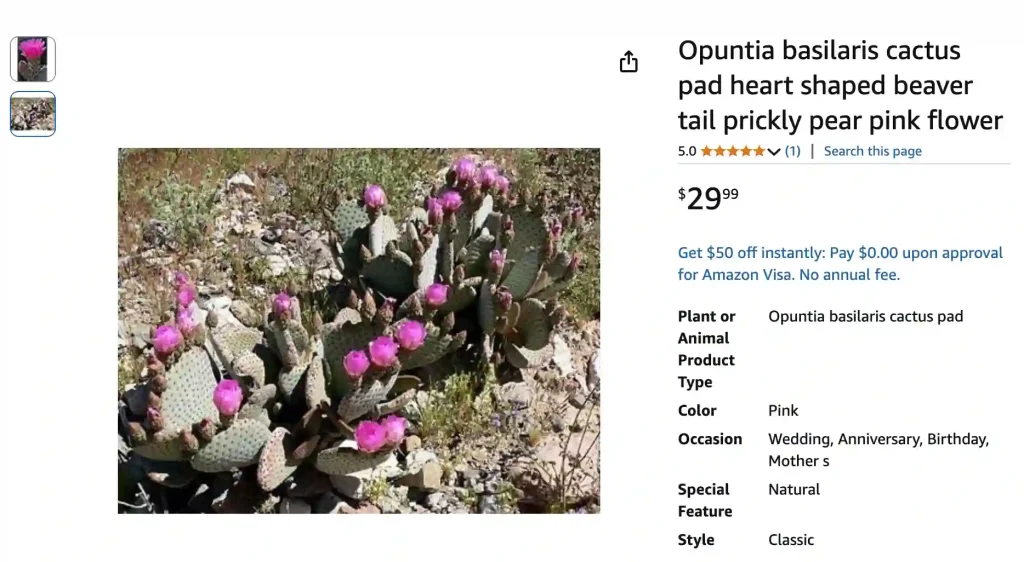
Hey, it’s Ferb Vu here! If you’re curious about Opuntia Basilaris, also known as the Beavertail Cactus, you’ve come to the right place. I’ve spent a good amount of time growing and learning about this fascinating cactus, so I’m excited to share what I know in this FAQ-style article. I’ll keep it clear and straightforward, just like Hemingway would want.
What Is Opuntia Basilaris?
Opuntia Basilaris is a species of prickly pear cactus native to the southwestern United States and northern Mexico. Its common name, Beavertail Cactus, comes from the flat, paddle-like pads that look like a beaver’s tail. Unlike other prickly pears, this one doesn’t have long spines but rather short, fuzzy-looking clusters called glochids that can be surprisingly irritating if you touch them.
From my experience, it’s a low-maintenance, drought-tolerant plant, perfect for desert gardens or anyone wanting to add a touch of rugged beauty.
How Does Opuntia Basilaris Differ From Other Opuntias?
I often get asked how Opuntia Basilaris compares with other Opuntias like Opuntia Ficus-Indica (the common prickly pear) or Opuntia Microdasys (Bunny Ear Cactus). Here’s what I’ve noticed:
- Pads: Opuntia Basilaris pads are rounder and flatter, with a velvety texture from the glochids, unlike the Bunny Ear’s fuzzy “ears” or the Ficus-Indica’s larger, more elongated pads.
- Spines: Unlike many prickly pears with long, sharp spines, Basilaris mostly has tiny, barbed glochids that can be a hidden hazard.
- Flowers: The pink to magenta flowers of Basilaris are stunning and usually bloom in early spring, which adds a vibrant splash of color to any garden. Other Opuntias often have yellow or red flowers.
- Fruit: The fruit of Basilaris is smaller and less fleshy than common prickly pears, but still edible after careful preparation.
Can You Grow Opuntia Basilaris Indoors?
I’ve tried growing Opuntia Basilaris indoors with moderate success. It definitely prefers bright, direct sunlight, so a south-facing window is ideal. Without enough light, the pads can become weak and stretched out.
Also, you have to be careful with watering. Overwatering is the quickest way to kill this cactus indoors. I usually water mine once every two weeks in the growing season and reduce it to monthly in winter. The soil must be extremely well-draining.
If you’re into houseplants but want something low fuss, Opuntia Basilaris is worth a shot — just respect its light and watering needs.
How Do You Propagate Opuntia Basilaris?
Propagation is straightforward, which is one reason I love this cactus. Here’s what works best from my experience:
- Take a pad cutting: Use a clean knife to cut a healthy pad from the plant.
- Let it callous: Place the pad in a dry, shaded area for a week or two until the cut end forms a callous.
- Plant the pad: Once calloused, plant it in a pot with well-draining cactus soil.
- Water lightly: Water sparingly until roots develop, which usually takes a few weeks.
This method is reliable and gives you a new plant without waiting for seeds.
What Kind of Soil Does Opuntia Basilaris Need?
Good soil is key. I’ve found that sandy or rocky cactus mixes work best. These mixes drain fast, preventing root rot — which is the most common problem when growing Opuntia Basilaris.
You want soil that mimics its natural desert habitat. Heavy or clay-rich soils hold too much moisture and will kill the plant over time.
How Does Opuntia Basilaris Handle Cold?
Though it’s a desert plant, Opuntia Basilaris can tolerate mild frost, down to about 20°F (-6°C) if it’s dry. I’ve kept mine outside in early spring and late fall without issues, but hard freezes can damage or kill the pads.
If you live somewhere cold, I recommend potting it and bringing it indoors during winter or protecting it with frost cloth.
Is Opuntia Basilaris Safe Around Pets?
I always keep my pets away from this cactus. The glochids are tiny but can cause irritation if they get stuck in skin or eyes. While not toxic if ingested, the spines can cause discomfort or injury.
If you have curious dogs or cats, place your cactus somewhere safe out of reach.
Can You Eat Opuntia Basilaris?
The fruit (called tunas) is edible but less popular than other prickly pear species’ fruits. You need to handle it carefully to avoid glochids, and it requires peeling and preparation.
I haven’t tried the pads (nopales) from Basilaris for eating because they’re small and glochid-covered, but other Opuntia species are better known for culinary uses.
How Fast Does Opuntia Basilaris Grow?
From what I’ve seen, Opuntia Basilaris grows slowly to moderately. It takes a few years to reach a decent size, usually spreading out low and wide.
Compared to Opuntia Ficus-Indica, which can grow quite large and fast, Basilaris is more compact and manageable — a big plus if you have limited space.
How Does Opuntia Basilaris Compare to Succulents Like Aloe Vera?
Though both are drought-tolerant and desert-adapted, Opuntia Basilaris is a cactus with glochids and paddle pads, while Aloe Vera has fleshy, serrated leaves with medicinal gel inside.
In terms of care, Aloe Vera can tolerate a bit more moisture and less intense light indoors, while Opuntia Basilaris thrives on dry, sunny conditions. I keep both but treat their watering and light needs differently.
Final Thoughts on Opuntia Basilaris
In summary, Opuntia Basilaris is a unique, striking cactus that adds desert charm to any collection. It’s relatively easy to care for if you respect its need for sun, well-draining soil, and careful watering. Its velvety pads and bright flowers make it a standout.
I recommend it if you want a resilient, low-maintenance plant that’s a bit different from the typical succulents or cacti. Just be mindful of those glochids — they’re small but definitely not friendly!

If i die, water my plants!