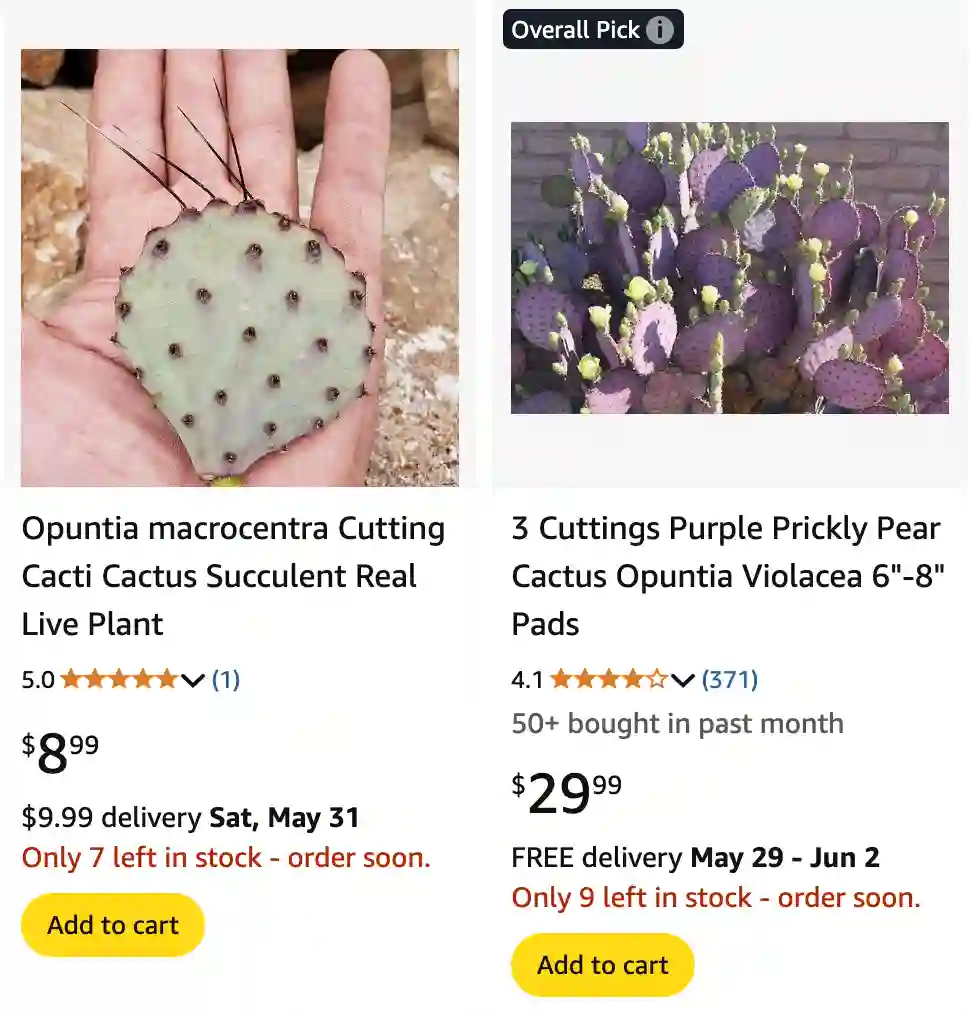
As a passionate plant enthusiast, I’ve spent a lot of time with various succulents and cacti. Among them, Opuntia Macrocentra has always caught my eye. Commonly known as the Purple Prickly Pear, this cactus stands out with its unique coloration and structure. Today, I want to share answers to some of the most frequent questions I’ve encountered about Opuntia Macrocentra, including comparisons like opuntia macrocentra vs santa rita—another popular prickly pear species.
What is Opuntia Macrocentra?
Opuntia Macrocentra is a species of prickly pear cactus native to the southwestern United States and northern Mexico. One of its most striking features is its bluish-purple pads that deepen to vibrant shades of purple as the plant matures, especially under strong sunlight or drought conditions. This natural color change is a defense mechanism and a visual treat for any plant lover.
How Does Opuntia Macrocentra Differ From Other Prickly Pears?
When people ask me about opuntia macrocentra vs santa rita, I always point out the distinctive differences in their appearance and care. Santa Rita, or Opuntia Santa Rita, has broader, more rounded pads with a green to reddish hue but typically lacks the intense purple tones that Macrocentra displays. Macrocentra’s pads tend to be flatter and more elongated.
In my experience, Santa Rita also grows a bit taller and can become more tree-like, while Macrocentra stays relatively compact, making it perfect for smaller gardens or container planting.
What Are the Ideal Growing Conditions for Opuntia Macrocentra?
I’ve found that Opuntia Macrocentra thrives best in full sun and well-draining soil. It prefers arid or semi-arid environments and handles drought exceptionally well. Overwatering is the most common mistake I see people make—this cactus is adapted to dry climates and can suffer root rot if soil remains soggy.
The ideal temperature range is quite broad, but Opuntia Macrocentra is hardy to around 10°F (-12°C), which surprises many. It can tolerate mild frost, though prolonged freezing conditions can damage the pads.
How Do I Propagate Opuntia Macrocentra?
Propagation is straightforward and one of the reasons I enjoy growing this plant. You can propagate by cutting a pad and letting it dry for a few days to form a callus before planting it in sandy, well-draining soil. Within a few weeks, roots typically develop.
Propagating this way also ensures that the new plant retains the vibrant purple color. I’ve noticed that propagation from seeds can be slower and more variable in color expression.
What Pests and Diseases Should I Watch For?
Like many cacti, Opuntia Macrocentra can attract pests such as scale insects and mealybugs. In my garden, I’ve found that regular inspection and using neem oil or insecticidal soap keeps infestations under control.
Fungal diseases are rare but can appear if the plant is kept too wet or in poorly draining soil. Ensuring proper watering habits and good airflow around the plant usually prevents these problems.
How Does Opuntia Macrocentra Fit in Landscape Design?
I often recommend Opuntia Macrocentra for xeriscaping and desert-themed gardens. Its bold purple pads create a striking contrast against other succulents or dry grasses. The plant also produces bright yellow flowers, adding a pop of color during the blooming season.
If you like a low-maintenance plant with high visual impact, Macrocentra is an excellent choice. Its compact growth habit allows it to fit well in rock gardens or as an accent in mixed succulent containers.
What About Edibility? Can You Eat Opuntia Macrocentra?
Opuntia species are famous for their edible pads (called nopales) and fruit (tunas). While Opuntia Macrocentra’s fruit is edible, I’ve noticed it’s less commonly harvested than other prickly pears, such as Opuntia Ficus-Indica.
The pads can also be eaten but require careful preparation to remove spines. I advise only consuming pads if you’re experienced with cactus foraging or sourcing from reputable suppliers, as some species have irritating glochids.
How Does Opuntia Macrocentra Compare to Opuntia Santa Rita?
The opuntia macrocentra vs santa rita debate often comes down to aesthetics and space. Santa Rita tends to grow taller and more upright with thicker pads, while Macrocentra has that signature purple coloration and a more sprawling growth form.
In my garden, I use Macrocentra when I want a colorful, compact feature and Santa Rita when I need a taller, bushier silhouette. Both are drought-tolerant and low-maintenance, but Macrocentra’s purple hues make it a unique choice for collectors or anyone looking to add a splash of color.
Final Thoughts
Growing Opuntia Macrocentra has been a rewarding experience. Its vibrant purple pads and resilience to tough conditions make it a standout in my collection. For anyone debating between Macrocentra and other prickly pears like Santa Rita, I’d suggest considering your space, aesthetic goals, and climate.

If i die, water my plants!