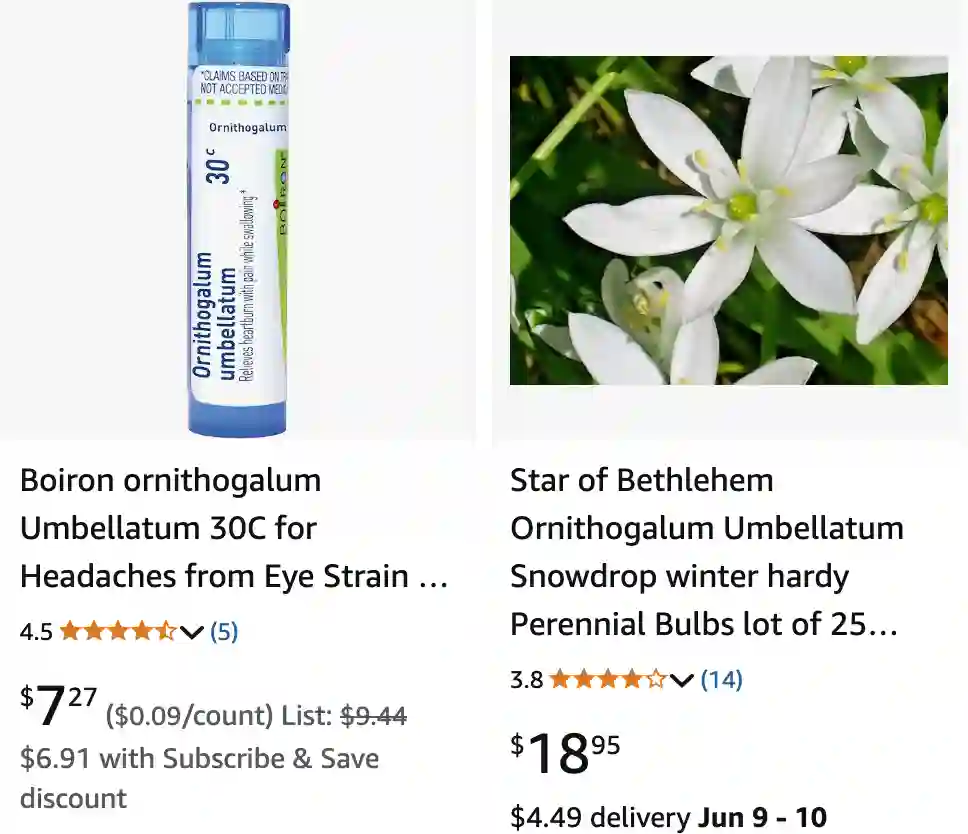
Hey, I’m Ferb Vu. I’ve spent quite some time growing Ornithogalum Umbellatum in my garden, and I want to share what I’ve learned. This little beauty, also known as Star of Bethlehem, is a fascinating bulbous plant that deserves more attention. Below, I answer common questions and clear up comparisons with other plants. If you want to know if Ornithogalum Umbellatum fits your garden or how to care for it, read on.
219 Species in Genus Ornithogalum
What Is Ornithogalum Umbellatum?
Ornithogalum Umbellatum is a perennial bulbous plant native to parts of Europe and the Mediterranean. It’s famous for its star-shaped white flowers with a green stripe underneath each petal. When it blooms in spring, it creates a lovely carpet of starry blooms that attract pollinators like bees.
I first noticed this plant because it blooms early, just as other bulbs start waking up. It’s a subtle but elegant ground cover and makes a great addition to rock gardens, borders, or wildflower meadows.
How Does Ornithogalum Umbellatum Compare to Other Ornithogalum Species?
Ornithogalum is a big genus, but Umbellatum stands out because of its small size and early bloom. For example:
- Ornithogalum Thyrsoides has larger flowers arranged in dense clusters and tends to bloom later.
- Ornithogalum Arabicum has big, striking flowers and grows taller, making it more suitable as a focal plant.
- Ornithogalum Dubium is popular for its bright orange flowers, very different from the white star shape of Umbellatum.
If you want something subtle and spreading, Umbellatum is my go-to. But for dramatic, tall blooms, you might try other species.
Is Ornithogalum Umbellatum Invasive?
This is a common concern. From my experience, Ornithogalum Umbellatum can naturalize easily. It spreads by bulb offsets underground and can form dense patches if conditions are right. Some gardeners consider it invasive because it can crowd out other plants.
However, I don’t see it as a problem if you manage it well. Removing unwanted bulbs and keeping it confined to certain beds works. It’s definitely less aggressive than some invasive ground covers like English Ivy or Periwinkle.
What Are the Ideal Growing Conditions for Ornithogalum Umbellatum?
Ornithogalum Umbellatum likes:
- Well-drained soil: Bulbs hate soggy feet. I plant mine in sandy loam or soil amended with grit.
- Full sun to partial shade: They bloom best with morning sun and some afternoon shade in hot climates.
- Moderate watering: After planting, keep soil moist until established, then water sparingly.
It’s hardy in USDA zones 4-9, which covers a wide range. I grow mine in zone 7, and it comes back reliably every spring.
How Do You Plant and Care for Ornithogalum Umbellatum?
I plant bulbs about 3 inches deep and 3-4 inches apart in fall. They require little fuss:
- Mulch in winter to protect from freeze-thaw cycles.
- Remove spent flower stalks to encourage energy storage in the bulb.
- Fertilize lightly with bulb food in early spring before growth starts.
The foliage dies back naturally in summer. Don’t be alarmed when leaves turn yellow; that’s normal. It goes dormant until the next season.
Can Ornithogalum Umbellatum Be Grown Indoors?
While possible, it’s tricky. This plant prefers natural outdoor cycles of cold dormancy and sun exposure. I tried potting bulbs indoors, but they rarely flower well without cold treatment.
If you want bulbs indoors, forcing tulips or hyacinths usually works better. Ornithogalum Umbellatum thrives best outdoors in my experience.
What Are the Common Pests and Diseases?
Luckily, Ornithogalum Umbellatum is pretty resilient. I’ve rarely had pest problems. However, watch out for:
- Bulb rot: Happens if soil stays too wet.
- Slugs and snails: Sometimes nibble on young shoots.
Otherwise, no serious diseases. It’s a low-maintenance plant if you avoid soggy conditions.
Is Ornithogalum Umbellatum Toxic?
Yes, this is important. All parts of the plant contain cardiac glycosides, making it mildly toxic if ingested. Keep pets and children away from bulbs and leaves.
I always warn friends to handle bulbs with gloves and wash hands after gardening.
How Does Ornithogalum Umbellatum Compare to Snowdrops or Crocus?
People often confuse early spring bloomers. Here’s how they differ:
- Snowdrops (Galanthus): Have drooping white bell-shaped flowers. Snowdrops prefer cooler, shadier spots.
- Crocus: Offers a range of colors, including purple and yellow, with a cup-shaped flower.
Ornithogalum Umbellatum has upright, star-shaped flowers with a distinctive green stripe, setting it apart visually. Its foliage is grass-like and broader than crocus leaves.
Can You Use Ornithogalum Umbellatum in Floral Arrangements?
Absolutely! The flowers last about a week when cut. They add a delicate, starry touch to bouquets. I like to mix them with daffodils or tulips in early spring arrangements.
Because stems are thin, I use narrow vases to support them.
Does Ornithogalum Umbellatum Require Division?
Yes, every few years, I dig up the clumps in late summer to divide the bulbs. This keeps the patch healthy and prevents overcrowding. Division also gives me more bulbs to share with friends or expand other parts of my garden.
Why Should You Grow Ornithogalum Umbellatum?
In my opinion, Ornithogalum Umbellatum is a charming, easy-to-grow bulb that adds subtle elegance to any garden. It’s early to bloom, spreads nicely, and doesn’t demand much care. If you want a naturalized look with minimal effort, this plant fits perfectly.
It’s also great for pollinators and offers a unique texture different from common spring bulbs.

If i die, water my plants!