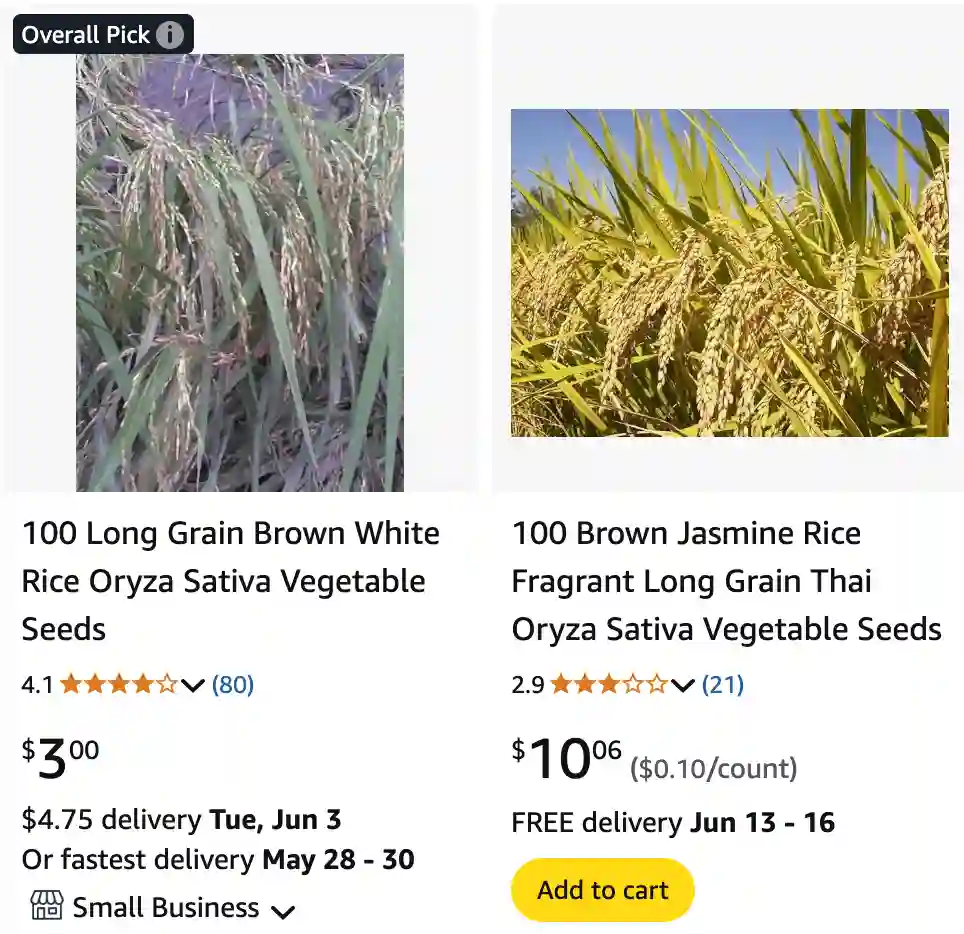
As someone deeply passionate about plants and botany, I often find myself diving into species that shape our world in subtle yet significant ways. One of those is Oryza Sativa. If you’ve eaten rice today—or even this week—you’ve probably consumed this species without realizing how important and fascinating it really is. In this article, I’m going to walk you through some of the most common questions people ask about Oryza Sativa, using clear language and personal insight. Whether you’re a gardener, student, farmer, or food enthusiast, I hope this helps deepen your understanding.
What Is Oryza Sativa?
Oryza Sativa is the scientific name for Asian rice, one of the most vital cereal grains cultivated on Earth. When people talk about rice in daily conversation, they’re usually referring to this species. It’s an annual grass in the Poaceae family, domesticated more than 9,000 years ago in the Yangtze River basin.
From my experience, the genetic complexity and adaptability of Oryza Sativa are what make it so remarkable. It thrives in flooded fields but can also be cultivated in upland, dry conditions. It comes in countless varieties—long grain, medium grain, short grain—all tailored for different climates, cuisines, and cultural traditions.
This plant isn’t just a food staple. It’s a symbol of life, tradition, and sustainability across Asia, Africa, and beyond. It’s the backbone of diets, economies, and agricultural systems.
How to Pronounce Oryza Sativa?
Let’s get one thing clear right away. A lot of people stumble over the pronunciation of Oryza Sativa. Here’s how I say it:
“Oryza” is pronounced uh-RYE-zuh,
“Sativa” is pronounced suh-TEE-vuh.
It sounds almost poetic, doesn’t it? This Latin binomial name rolls off the tongue once you get used to it. I’ve found that saying it aloud helps me remember the scientific name and treat the plant with the respect it deserves.
Oryza Sativa vs Oryza Glaberrima
This is a comparison I’ve explored many times. While Oryza Sativa is native to Asia, Oryza Glaberrima is its African cousin, often called African rice. Both have been domesticated independently, and each brings something unique to the table.
In my garden, I’ve grown both and noticed some clear differences. Oryza Sativa is more widely cultivated and has higher yields. It also benefits from centuries of breeding and modern hybrid development. Oryza Glaberrima, on the other hand, is more resilient to pests, droughts, and poor soils, which makes it an important crop for smallholder farmers in Sub-Saharan Africa.
But there’s a trade-off. Oryza Glaberrima tends to shatter more easily at harvest and has lower grain yield. This is why many researchers and farmers are now working on interspecific hybrids like NERICA (New Rice for Africa)—a blend of both species aiming to combine the best traits of each.
Is Oryza Sativa Genetically Modified?
This is a question I get often, especially from eco-conscious friends. The short answer is: not all Oryza Sativa is genetically modified.
There are many traditional and heirloom varieties, as well as those developed through conventional breeding methods. However, in some countries, scientists have introduced genetically modified strains—like Golden Rice, enriched with Vitamin A—to combat malnutrition. I’ve followed the debate around Golden Rice for years, and while it’s controversial, I believe it has a place in addressing urgent health challenges.
Nutritional Value of Oryza Sativa
From a dietary perspective, Oryza Sativa is rich in carbohydrates and provides a significant amount of energy. Brown rice, which retains the bran and germ, is also high in fiber, magnesium, and antioxidants. In contrast, white rice is milled and polished, stripping away some nutrients.
I usually cook brown rice when I want a more nutrient-dense meal. However, white rice is easier to digest and quicker to cook, making it ideal for certain recipes. Both have their merits depending on dietary needs and personal preference.
Why Oryza Sativa Matters in Climate Adaptation?
In the context of climate change, Oryza Sativa is under pressure. Rising temperatures, erratic rainfall, and soil salinization threaten rice cultivation globally. What amazes me is how breeders are pushing the limits, creating climate-resilient rice varieties that tolerate flooding, drought, and even high salinity.
Efforts from organizations like IRRI (International Rice Research Institute) are paving the way for future-proof rice. This ensures food security while supporting farmers facing unpredictable weather patterns.
Final Thoughts
To me, Oryza Sativa isn’t just a plant—it’s a lifeline. Understanding how to pronounce Oryza Sativa, knowing what it is, and distinguishing it from Oryza Glaberrima deepens my appreciation every time I sit down to a bowl of rice. Whether it’s sushi, risotto, biryani, or a humble congee, I now eat it with a deeper awareness.

If i die, water my plants!