When I first started gardening, I was fascinated by the humble Phaseolus Vulgaris, commonly known as the common bean. It’s a staple in many diets worldwide and a rewarding plant to grow at home. Over time, I’ve encountered many questions about this versatile legume—from how to grow Phaseolus Vulgaris to even how to pronounce Phaseolus Vulgaris correctly. So, I decided to share my experience and insights to help anyone interested in this plant.
What Is Phaseolus Vulgaris?
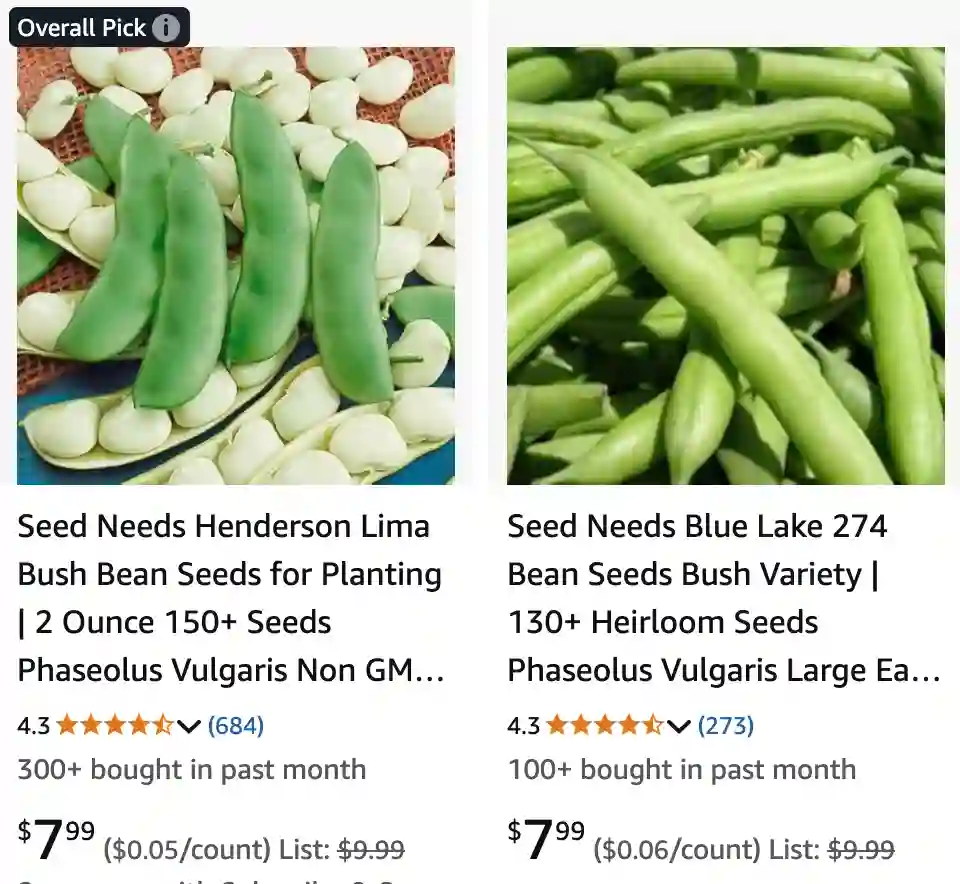
To start, what is Phaseolus Vulgaris? Simply put, it’s the scientific name for the common bean. This species includes a wide range of beans like kidney beans, green beans, navy beans, and pinto beans. It’s native to the Americas and has been cultivated for thousands of years. These beans are not only a great source of protein but also rich in fiber, vitamins, and minerals, making them a healthy addition to any diet.
How to Pronounce Phaseolus Vulgaris
One of the most frequent questions I get is how to pronounce Phaseolus Vulgaris. It can seem tricky if you’re not familiar with botanical Latin. The pronunciation goes like this: “Fah-SEE-oh-lus Vul-GAR-iss.” Breaking it down helps: “Phaseolus” sounds like “Fah-SEE-oh-lus,” and “Vulgaris” is “Vul-GAR-iss.” Once you say it a few times, it rolls off the tongue easily.
How to Grow Phaseolus Vulgaris
Now, onto the heart of the matter—how to grow Phaseolus Vulgaris. From my experience, it’s one of the more straightforward beans to cultivate, but it does require some attention.
- Soil and Location: Phaseolus Vulgaris thrives in well-drained, fertile soil with a pH between 6.0 and 7.0. I always recommend planting them in a sunny spot because beans need at least six hours of sunlight daily.
- Planting Time: I usually start planting after the last frost date because these beans are sensitive to cold. The soil temperature should be at least 60°F (15.5°C) for optimal germination.
- Seed Preparation: Soaking the seeds overnight before planting can improve germination rates. I’ve found this simple step makes a noticeable difference.
- Spacing and Depth: Plant the seeds about 1 to 2 inches deep and space them roughly 3 to 6 inches apart in rows that are 18 to 24 inches apart. This spacing ensures good air circulation and reduces the risk of diseases.
- Watering: Beans prefer consistent moisture but hate soggy roots. Watering deeply once or twice a week, depending on rainfall, keeps them healthy. Mulching around the plants helps retain soil moisture and suppress weeds.
- Support: Depending on the variety—bush beans or pole beans—support might be necessary. Pole beans, which grow tall and vine, need trellises or stakes. Bush beans are compact and usually don’t require support.
- Pests and Diseases: Like any garden plant, Phaseolus Vulgaris can attract pests like aphids and beetles. I prefer natural remedies such as neem oil or insecticidal soap. Crop rotation and good sanitation help prevent diseases like powdery mildew or root rot.
Additional FAQs I Often Hear
Can Phaseolus Vulgaris Fix Nitrogen?
One fascinating fact about Phaseolus Vulgaris is its ability to fix nitrogen. It forms a symbiotic relationship with Rhizobium bacteria in the soil, which helps enrich the soil by converting atmospheric nitrogen into forms plants can use. This natural fertilizer reduces the need for chemical fertilizers, which is a big plus for sustainable gardening.
How Long Does It Take to Harvest?
From planting to harvest, Phaseolus Vulgaris usually takes about 50 to 70 days, depending on the variety. I keep an eye on the pods: for green beans, you want to pick them when the pods are firm but before the seeds inside swell too much.
Can I Save Seeds From Phaseolus Vulgaris?
Yes! Saving seeds is straightforward. After the pods dry on the vine, I harvest and let them dry further in a cool, dry place. Stored properly, these seeds can be planted the following season.
What Are Common Uses for Phaseolus Vulgaris?
Phaseolus Vulgaris is incredibly versatile. I use them fresh as green beans, dried for soups and stews, or even ground into flour in some recipes. They’re a staple in cuisines worldwide—from Mexican to Italian to Indian dishes.
Why I Recommend Growing Phaseolus Vulgaris
Personally, growing Phaseolus Vulgaris has been both rewarding and practical. It’s a low-maintenance crop that fits well in small spaces or larger vegetable gardens. The plant’s nitrogen-fixing ability improves the soil, which benefits my other crops. Plus, fresh beans from the garden taste far better than store-bought.
If you’re wondering how to grow Phaseolus Vulgaris or what the plant even is, I hope my insights have been useful. It’s a fantastic plant to add to your garden if you want something nutritious, versatile, and easy to grow.

If i die, water my plants!