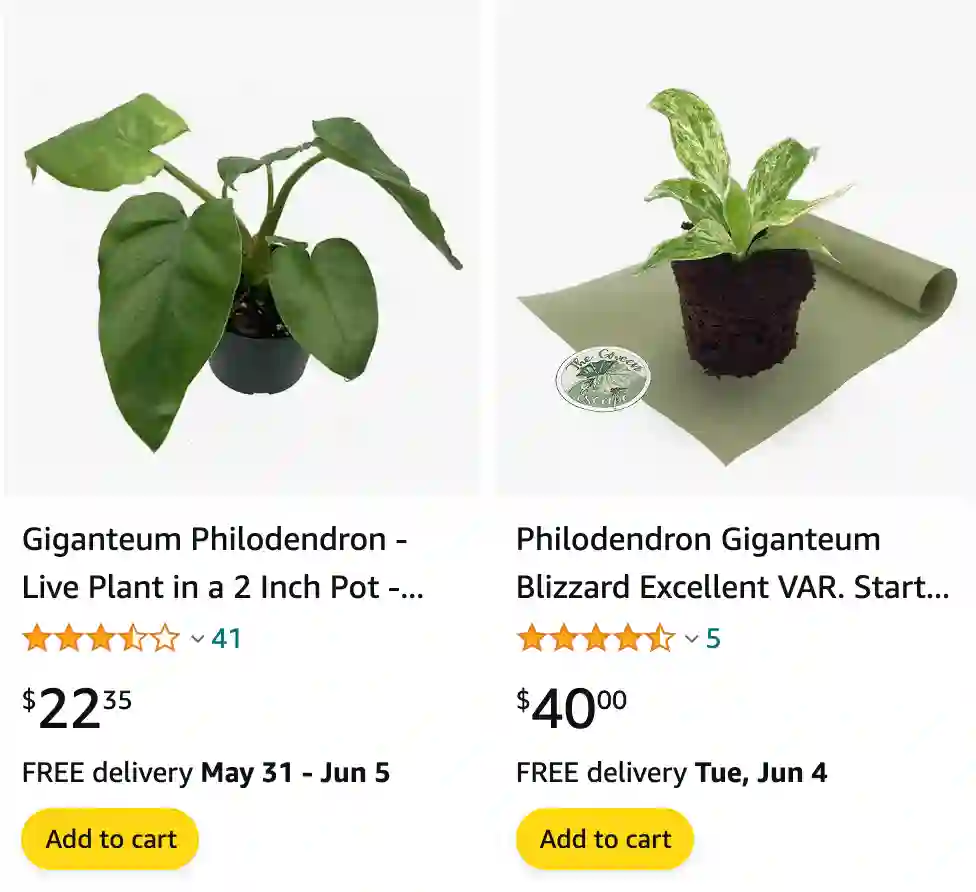
I. Introduction: Unveiling the Majestic Philodendron Giganteum
The botanical world offers a myriad of wonders, yet few houseplants command attention quite like the Philodendron Giganteum. As its name suggests, this magnificent plant is a titan among indoor flora, renowned for its impressively large foliage and dramatic visual impact. It stands as a true statement piece, capable of transforming any indoor space or tropical garden into a lush, vibrant sanctuary. Its popularity among plant enthusiasts stems from its ability to evoke a sense of the exotic and untamed, bringing the grandeur of the rainforest directly into one’s home.
This report invites readers on a unique journey, a “time lapse” exploration into the life cycle of the Philodendron Giganteum. From its humble beginnings as a small plant or cutting, through its various developmental stages, to its eventual emergence as a majestic, mature specimen, this chronicle will detail the growth and transformation of this remarkable botanical companion. By understanding its intrinsic nature and providing diligent care, cultivators can witness firsthand the captivating evolution of this verdant giant.
II. The Botanical Profile: Understanding Philodendron Giganteum
To truly appreciate and successfully cultivate the Philodendron Giganteum, it is essential to delve into its botanical identity, origins, and defining characteristics. This foundational understanding provides critical context for its specific care requirements and growth habits.
Names and Identity: More Than Just a Plant
Scientifically classified as Philodendron giganteum, this species belongs to the Araceae family, a diverse group of flowering plants. It was first formally described by the botanist Heinrich Wilhelm Schott in 1856, establishing its place within the scientific nomenclature. Beyond its scientific designation, the Philodendron Giganteum is known by several evocative common names that highlight its most striking features. It is frequently referred to as “Philodendron marble” or “Philodendron blizzard,” particularly for its variegated forms, which display stunning patterns of creamy white, light green, and medium green. Perhaps its most popular moniker, “Elephant Ear,” directly alludes to the impressive size and shape of its leaves, while in the English-speaking Caribbean, it may also be known as “Chinny Leaf”. These common names are not merely descriptive; they effectively convey the plant’s most prominent attribute—its immense scale. This inherent descriptiveness makes these terms highly effective in capturing public interest and facilitating discoverability for individuals seeking large, impactful foliage plants.
From a growth perspective, Philodendron giganteum is classified as a hemiepiphyte. This means that in its natural habitat, it possesses the unique ability to grow both rooted in the ground and to climb upon other plants or structures. This dual growth habit is a crucial aspect of its natural behavior and directly informs its cultivation needs when grown indoors, particularly its requirement for structural support as it matures.
Origins and Natural Habitat: A Tropical Heritage
The native range of Philodendron giganteum spans across the tropical regions of South America and the West Indies. While widely distributed, some sources suggest its exclusive presence on the Caribbean island of Trinidad. This plant thrives in a variety of humid tropical environments, including dense rainforests, swamps, river banks, roadsides, and even rock outcroppings. This adaptability across diverse moist habitats underscores its preference for consistent humidity, a factor that is paramount in successful indoor cultivation.
In its natural setting, the plant’s hemiepiphytic nature is fully expressed as it actively climbs the trunks of other trees, utilizing its aerial roots for attachment and support. This inherent climbing behavior is a key element in understanding why providing a support structure is not merely optional but often essential for the plant to achieve its full mature size and form in a cultivated environment. The plant’s natural adaptation to environments where its roots are exposed to air and quick drainage directly explains its susceptibility to root issues in overly wet or dense potting mixes. This understanding moves beyond simple prescriptive care instructions, providing a deeper comprehension of why specific conditions, such as well-draining soil, are critical for preventing common problems like root rot.
Defining Characteristics: The Giant’s Grandeur
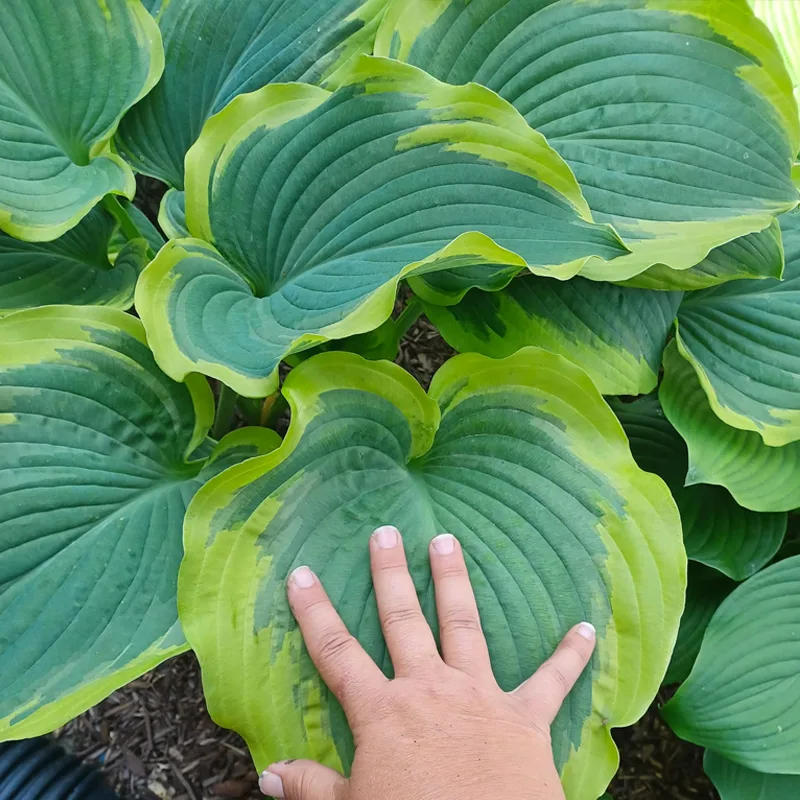
The most striking characteristic of Philodendron giganteum is undoubtedly its iconic foliage. The leaves are typically huge, glossy, and can be described as fan-shaped, heart-shaped, or resembling an elephant’s ear. These impressive leaves can reach astonishing dimensions, growing from 2 feet to as much as 5 feet in length and 2-3 feet across under optimal conditions. The surface of the leaves is characteristically shiny, with clearly visible veins that add to their aesthetic appeal.
Among the various forms, the variegated cultivars, often marketed as ‘Variegated Marble’ or ‘Blizzard,’ are highly prized by collectors. These forms exhibit unpredictable marbling and splashes of creamy white, light green, and medium green, ensuring that each unfurling leaf presents a unique and captivating pattern. While
Philodendron giganteum produces thermogenetic inflorescences that emit a sweet odor in its native habitat, indoor flowering is a rare occurrence, typically only observed under near-ideal cultivation conditions.
Giganteum in Context: A Comparison of Giants
For individuals seeking a large-leafed philodendron, Philodendron giganteum often enters consideration alongside other impressive species. When compared to Philodendron maximum, for instance, P. giganteum is generally regarded as more forgiving in terms of care requirements. Furthermore, it tends to mature more rapidly from a starter plant, making it a more accessible and less intimidating choice for those eager to achieve a substantial plant size without the challenges associated with more finicky varieties. This comparative advantage positions
P. giganteum as an excellent option for a wider range of plant enthusiasts.
Distinctions also exist between P. giganteum and other large philodendrons such as the Tree Philodendron (Philodendron selloum) and the Giant Philodendron (Philodendron subincisum).
P. selloum is characterized by its vertical, tree-like trunk and deeply cut, lacy leaves, which can reach 3-4 feet in length. In contrast, P. subincisum features large, arrowhead-shaped leaves with wavy margins, growing 2-3 feet long and 2 feet wide, and has a creeping stem that can climb trees. Philodendron giganteum, with its distinct heart-shaped or fan-shaped foliage and strong climbing habit, maintains its unique identity within this group of large aroids. It is, in fact, recognized as the largest species of Philodendron globally, underscoring its unparalleled appeal for those desiring a truly monumental houseplant. This comparative analysis helps prospective growers make informed decisions, highlighting the specific benefits and characteristics that make
P. giganteum a standout choice.
III. The Gardener’s Chronicle: A Philodendron Giganteum Time Lapse
As a dedicated plant enthusiast, embarking on the journey of cultivating a Philodendron Giganteum has been a profoundly rewarding experience. It is a true testament to patience and consistent care, transforming from a modest beginning into an awe-inspiring botanical centerpiece. This chronicle shares my personal observations and the practical steps taken at each significant milestone of its growth.
Chapter 1: The Seed of Potential (Germination & Seedling Stage)
My journey began with a small, unassuming Philodendron Giganteum ‘Blizzard’ cutting. The excitement was palpable, imagining the immense, variegated leaves it would one day unfurl. In those early days, the focus was entirely on establishing a strong foundation. I ensured the potting mix remained consistently moist, but never waterlogged, to prevent any risk of root rot. Maintaining a warm environment, ideally between 70-75°F (21-24°C), was also paramount for optimal root development and initial growth.
The young plant was placed in a spot receiving bright, indirect light, crucial for its delicate new leaves and, for the ‘Blizzard’ variety, to encourage the vibrant variegation to develop. Within a few weeks, the first true leaves began to emerge, distinct from the initial seed leaves, starting to hint at the characteristic heart shape that would define its mature form. During this seedling stage, which lasted a couple of months, I introduced a very diluted, balanced fertilizer every 4-6 weeks, providing just enough nourishment without overwhelming the tender root system. Observing these initial delicate stages truly emphasizes that even the most colossal plants begin from a small, vulnerable point, requiring precise care to set the stage for future grandeur.
Chapter 2: Reaching for Grandeur (Juvenile & Adolescent Stage)
The juvenile stage, spanning roughly six months to a year, marked the beginning of truly rapid growth. This is when the plant started to live up to its “Giganteum” name. Each new leaf unfurled larger than the last, and their definition became more pronounced. It was thrilling to witness the emergence of aerial roots, a clear signal of its natural climbing instinct. At this point, providing a sturdy support structure, such as a moss pole, became crucial. Attaching the developing stems to the pole allowed the plant to grow vertically, mimicking its natural climbing habit and enabling it to produce truly expansive leaves. Without this support, the plant would likely remain smaller and exhibit a more trailing, juvenile form.
As the plant entered its adolescent stage (1-2 years), its growth became even more vigorous. The frequency of feeding increased to every 3-4 weeks, then to every 2-3 weeks during the active growing season, providing the necessary nutrients for its accelerating development. Consistent humidity was also maintained, either through regular misting or by placing it near a humidifier, which proved vital for the healthy expansion of its large leaves. While the plant generally grows quickly in terms of overall mass, it is important to note that the unfurling of a single, truly massive leaf can take several weeks, sometimes even up to four months. This is a natural process as the plant dedicates significant energy to creating such large structures. The bright, indirect light continued to play a pivotal role, ensuring the variegation on the ‘Blizzard’ leaves remained vibrant and distinct, preventing any fading or reversion to solid green. This phase of growth is a constant reminder that patience is rewarded with increasingly impressive foliage.
Chapter 3: The Mature Masterpiece (Adult Stage)
Reaching the mature stage, typically after two or more years, is the culmination of this time lapse journey. My Philodendron Giganteum now stands as a magnificent centerpiece, its lush, full foliage dominating the space. The leaves have reached their impressive mature size, contributing to the plant’s overall dimensions of 3-6 feet in height and 2-4 feet in width indoors. It is a living sculpture, a testament to its “Elephant Ear” moniker.
Maintaining this grandeur involves a consistent care regimen. A regular watering schedule, adjusted for seasonal changes, ensures the soil remains appropriately moist without becoming waterlogged. Monthly fertilization during the growing season continues to fuel its robust growth. Vigilant monitoring for any signs of pests or diseases is also a continuous practice, allowing for prompt intervention if needed. While indoor flowering is rare, it is a possibility under truly ideal conditions, and observing such an event would be an extraordinary bonus. The journey from a small cutting to this majestic plant has been incredibly rewarding, showcasing the profound beauty and resilience of nature.
Philodendron Giganteum Growth Milestones
| Stage | Approximate Duration | Key Characteristics | Essential Care Focus |
| Germination | 2-4 weeks | Seed sprouts, tiny root and shoot emerge | Consistent moisture, warmth (70-75°F), indirect light |
| Seedling | 2-3 months | First true leaves appear, stem elongates | Bright, indirect light; regular watering; diluted fertilizer |
| Juvenile | 6-12 months | Rapid growth, leaves enlarge, aerial roots emerge | Introduce support structure; increased feeding; consistent humidity |
| Adolescent | 1-2 years | Strong root system, vigorous growth, near mature size | Regular pruning; consistent moisture; frequent balanced fertilizer |
| Mature | 2+ years | Full size achieved, lush foliage, potential flowering (rare) | Regular watering; monthly fertilization; pest/disease monitoring |
IV. Comprehensive Care Guide: Nurturing Your Giant Philodendron
Successful cultivation of Philodendron giganteum hinges on understanding and consistently providing for its specific environmental needs. This section details the optimal care practices required to nurture this magnificent plant to its full potential.
Light: The Fuel for Foliage and Variegation
Philodendron giganteum thrives in bright, indirect light. This lighting condition is paramount not only for vigorous growth but, especially for variegated forms, to maintain their stunning color patterns. Insufficient light can lead to the fading of variegation, resulting in smaller leaves and a leggy appearance as the plant stretches in search of more illumination. While the plant can tolerate lower light conditions, its full aesthetic appeal and robust growth will be significantly diminished in such environments.
Conversely, direct sunlight poses a significant risk. The large, delicate leaves of Philodendron giganteum are highly susceptible to scorching, which manifests as yellowing or brown spots. Optimal placement typically involves east or north-facing windows, which provide gentle morning sun and consistent indirect light throughout the day. Fluorescent lighting can also be sufficient for indoor growth. The distinction between merely tolerating low light and truly thriving in bright, indirect conditions is critical for variegated forms, as insufficient light will compromise the very patterns that make these cultivars so desirable.
Watering: The Art of Balanced Hydration
The most critical aspect of Philodendron giganteum care is balanced hydration. The golden rule for watering is to allow the top 1-2 inches of soil to dry out to the touch before rewatering. This approach ensures consistent moisture without the detrimental effects of waterlogging. Overwatering is a primary cause of numerous issues, including root rot, mushy stems, yellowing leaves, and edema (water-filled blisters on the leaves). The plant’s hemiepiphytic nature means its roots are adapted to quick drainage and air exposure, not prolonged saturation, making good drainage paramount.
Conversely, underwatering can also lead to problems, though the plant exhibits some drought tolerance. Symptoms of insufficient water include drooping leaves that gradually turn yellow with brown, papery edges. While it can withstand occasional dryness, consistent under-hydration will impede its growth and overall health. Watering frequency should be adjusted seasonally, with more frequent applications during the active growing period of spring and summer, and a reduction in fall and winter as the plant’s growth naturally slows. Always use room-temperature water to avoid shocking the root system. The consistent emphasis on well-draining soil and avoiding overwatering across numerous sources highlights that proper root health, facilitated by appropriate moisture management, is the single most critical factor for the long-term success of
P. giganteum. This foundational principle prevents a cascade of common plant ailments.
Humidity & Temperature: Creating a Tropical Oasis
As a tropical plant, Philodendron giganteum thrives in environments with moderate to high humidity, ideally above 60%. High humidity levels are particularly beneficial for supporting the expansion of its large leaves and promoting overall plant vigor. While it can adapt to average indoor humidity, providing supplemental humidity will encourage more robust growth and help prevent issues such as browning leaf tips. Practical methods for increasing humidity include regular misting, placing the plant on a humidity tray, or utilizing a humidifier, especially during dry winter months.
The ideal temperature range for Philodendron giganteum is between 60-85°F (18-30°C), with typical indoor room temperatures of 65-80°F (18-27°C) being well-suited. Maintaining temperatures at the upper end of this range can encourage more rapid growth. It is crucial to protect the plant from cold drafts, sudden temperature fluctuations, and temperatures below 50-55°F (10-13°C), as these conditions can lead to cold injury, manifesting as browning leaf margins and wilting foliage.
Soil: The Foundation of Health
The choice of potting mix is fundamental to the health of Philodendron giganteum. A well-draining, chunky, and aerated potting mix is of paramount importance to prevent root rot, which is a common issue for this species. The “chunky” nature of the mix is critical as it creates essential air pockets, mimicking the plant’s natural epiphytic growth habit where roots are exposed to more air.
For those preferring to create their own mix, suitable components include orchid bark (especially coarse grade #2), perlite (#4), pumice, coco chips, coco coir (for moisture retention without excessive density), horticulture charcoal, and worm castings for added nutrients. Practical recommendations for potting mixes include a standard houseplant potting soil amended with at least 50% perlite, particularly when using plastic pots in ambient humidity levels of 50-60%. Alternatively, a cactus or succulent mix, which often contains sand and other ingredients to encourage drainage, can also be effective. Commercial “aroid mixes” are highly recommended as they are specifically formulated to meet the drainage and aeration needs of plants in the Araceae family.
Nourishment: Feeding for Vigorous Growth
To support its vigorous growth and the development of its large foliage, Philodendron giganteum benefits from regular fertilization. During the active growing season, typically spring and summer, it is advisable to fertilize every 4-6 weeks. As the plant’s growth naturally slows in fall and winter, fertilization should be reduced or ceased entirely. If a boost is deemed necessary during colder months, applications should be no more frequent than every 6-8 weeks.
A balanced NPK formula, such as a 20-20-20, in a water-soluble form is generally recommended. It is often beneficial to dilute the fertilizer to half the recommended concentration to prevent root burn. Products specifically designed to encourage lush foliage growth are ideal. In addition to commercial fertilizers, natural nutrient sources can supplement its diet. These include composted coffee grounds, eggshells, water from hard-boiled eggs, aquarium water, and worm castings. When dealing with a newly transplanted or young
Philodendron giganteum, it is important to wait at least one month before initiating fertilization to allow the plant to acclimate to its new environment. Over-fertilization should be strictly avoided, as it can lead to a buildup of chemicals in the soil, causing root damage (often referred to as “burn”), browning leaf tips, and stunted growth. Always ensure the plant is thoroughly watered
before applying fertilizer to aid nutrient absorption and minimize the risk of burn.
Pruning: Shaping and Sustaining Health
Pruning is an essential practice for maintaining the shape, size, and overall health of Philodendron giganteum. While pruning can be performed at any time of the year, spring or fall are generally considered optimal periods, as new growth may be delayed if pruned during winter. The primary reasons for pruning include maintaining a desired shape, encouraging bushier growth, managing its impressive size, and removing any yellowing, brown, damaged, diseased, or pest-infested leaves and stems. Leggy growth, where stems are elongated with sparse leaves, is also an indication that pruning is needed, often coupled with a need for more light.
When pruning, it is crucial to use clean, sharp scissors or garden shears, which should be sterilized before use to prevent the introduction of pathogens. Cuts should be made just above a leaf node, preferably at a 45° angle, as this encourages new branching and a fuller appearance. It is important to avoid cutting into woody stems, as these parts may not readily produce new growth and could die back. To prevent stressing the plant, never remove more than a quarter to a third of its total foliage at one time. Due to the presence of irritating calcium oxalate crystals in the sap, wearing gloves when handling the plant during pruning or repotting is a recommended safety precaution.
Repotting: Giving Room to Grow
Repotting is a necessary step in the long-term care of Philodendron giganteum, allowing it sufficient space for continued growth. The plant indicates its need for repotting when it becomes root-bound, a condition often evidenced by roots emerging from the drainage holes of the pot or a noticeable slowdown in growth despite consistent and appropriate care. Mature specimens, due to their substantial size, may only require repotting every three years.
The ideal time for repotting is during the active growing season, from spring through summer, when the plant is most resilient and capable of recovering from the disturbance. When selecting a new container, it is important to choose one that is only 1-2 inches larger in diameter than the current pot. This incremental increase in pot size prevents the plant from expending excessive energy on root growth to fill a much larger container, instead allowing it to focus its resources on developing its impressive foliage. The repotting process involves carefully removing the plant from its existing pot, gently loosening any crowded roots, placing it in the new pot with fresh, well-draining soil, and watering thoroughly to help it settle into its new environment.
Support Structures: Guiding the Climb to Grandeur
Given Philodendron giganteum‘s natural climbing habit as a hemiepiphyte, providing a robust support structure is not merely an aesthetic choice but a practical necessity for its optimal growth and development. Without adequate support, vining philodendrons tend to remain smaller and exhibit a more juvenile, trailing form, failing to reach their impressive mature size and characteristic leaf development.
Structures such as moss poles or trellises allow the plant to grow vertically, mimicking the tree trunks it would ascend in its native habitat. The plant develops large aerial roots, which it naturally uses to anchor itself to these supports. Misting these aerial roots can promote healthier growth and encourage stronger attachment to the support. Furthermore, providing vertical support enhances the plant’s visual appeal, as it allows the characteristic splits or “windows” in its leaves to develop at eye level, creating an even more dramatic display.
Philodendron Giganteum Quick Care Reference
| Care Category | Recommendation |
| Light | Bright, indirect light; avoid direct sun; tolerates lower light but variegation may fade |
| Watering | Allow top 1-2 inches of soil to dry before watering; avoid waterlogging |
| Humidity | Moderate to High (ideally >60%); can adapt to average indoor humidity |
| Temperature | 60-85°F (18-30°C); protect from cold drafts (<50-55°F) |
| Soil | Well-draining, chunky, aerated mix (e.g., aroid mix, perlite/bark amended) |
| Fertilization | Every 4-6 weeks during spring/summer; reduce in fall/winter; balanced liquid fertilizer |
| Pruning | As needed for shape/health; remove yellow/damaged leaves; cut above leaf node |
| Support | Moss pole or trellis essential for vertical growth and mature leaf development |
| Pet-Friendly? | No, toxic to pets and humans due to calcium oxalate crystals |
V. Expanding Your Green Empire: Propagation Techniques
Propagating Philodendron giganteum is a rewarding endeavor that allows enthusiasts to expand their collection or share this magnificent plant with others. The process transforms a single specimen into multiple, healthy new plants.
Selecting a Healthy Mother Plant
The initial step in successful propagation involves choosing a vigorous, well-established mother plant. Ideally, the parent plant should be at least two years old and possess an extensive, healthy root system. It is crucial to select a plant that shows no signs of disease, pests, or nutrient deficiencies, and to avoid taking cuttings from plants that are stressed from recent repotting, pruning, or exposure to high temperatures. Cuttings from actively growing plants with multiple nodes tend to yield the best results, as nodes are the points from which new roots will emerge.
Stem Cuttings: The Most Common Method
Stem cuttings represent the most common and effective method for propagating Philodendron giganteum. To prepare the cuttings, use sterile, sharp scissors or garden shears to remove a section of stem approximately 6-8 inches in length. The cut should be made just below a node, ensuring that each cutting retains at least two nodes. Any leaves on the lower 1-2 nodes should be carefully removed to expose these critical rooting points. As an optional step, dipping the cut end of each cutting in rooting hormone powder can significantly encourage faster root development. Interestingly, some growers have found success using cinnamon as a natural alternative to commercial rooting hormone, which can also aid in root growth.
There are two primary approaches to rooting stem cuttings:
- Water Propagation: This method allows for direct observation of root development. Fill a clean glass jar or container with room-temperature water, ensuring that the lower nodes of the cutting are fully submerged by 1-2 inches. Place the container in a bright location, but crucially, avoid direct sunlight. To prevent rot and algae growth, the water should be changed every 5-7 days. New white roots typically begin to emerge from the nodes within 2-3 weeks. Cuttings are generally ready for potting once their root systems are 1-2 inches long.
- Soil Propagation: This method involves rooting cuttings directly in a potting mix. Prepare a small pot with a well-draining potting mix, such as an equal blend of peat moss, perlite, and compost, which provides both moisture retention and aeration. Insert the cutting 2-3 inches deep into the soil, gently firming the mix around it. The soil should be kept consistently moist but never soaked. To boost humidity and encourage faster rooting, the pot can be enclosed in a clear plastic bag or placed within a propagation dome. Most cuttings will be fully rooted and ready for repotting in approximately 4-6 weeks, a process that can be verified by gently tugging on the stem to feel for resistance from new roots.
Air Layering: For Faster Rooting on Larger Plants
Air layering is an effective propagation technique, particularly for larger, more mature Philodendron giganteum specimens, as it allows roots to form while the cutting is still attached to the mother plant. This method involves selecting a healthy portion of the stem and wrapping it with moist sphagnum moss. The moss is then secured with plastic wrap to create a humid microenvironment around the stem. Once a sufficient root system has developed within the moss, the rooted section of the stem is cut below the new roots and can then be planted separately as a new, independent plant.
Caring for Newly Rooted Cuttings
Once cuttings have successfully rooted, careful transition to their permanent pots is essential for continued growth. Before planting, gently loosen any crowded roots to encourage them to grow outwards into the new soil. Use a houseplant potting mix amended with perlite or orchid bark to ensure improved drainage, which is vital for young plants. After transplanting, water thoroughly to settle the soil and eliminate any air pockets. Gradually increase the light exposure over 2-3 weeks to allow the new plant to adapt to brighter conditions without stress, avoiding direct sunlight which can scorch tender new leaves. Finally, begin applying a balanced liquid fertilizer every 2-3 weeks during the growing season to support strong, healthy growth.
VI. Troubleshooting & Solutions: Keeping Your Philodendron Thriving
Even with diligent care, Philodendron giganteum can occasionally encounter issues. Proactive monitoring is the first line of defense, as regularly scouting the plant for early signs of pests or diseases allows for timely and effective intervention. Understanding the common problems and their solutions is key to maintaining a thriving plant.
Common Philodendron Giganteum Problems & Solutions
| Problem/Symptom | Likely Cause(s) | Solution(s) |
| Yellowing Leaves | Overwatering, too much/too little light, malnourishment | Adjust watering frequency, optimize light, fertilize appropriately |
| Browning Leaves/Tips | Underwatering, low humidity, cold injury, over-fertilization | Increase watering/humidity, move from drafts, flush soil |
| Drooping Leaves | Overwatering, underwatering, over-fertilization | Assess soil moisture, adjust watering, flush soil if over-fertilized |
| Fading Variegation | Insufficient light | Move to a brighter spot with indirect light |
| Leggy Growth | Insufficient light | Move to a brighter spot, prune to encourage bushiness |
| Mushy Stems/Roots | Root rot (overwatering) | Repot immediately, remove rotten parts, improve drainage |
| Webbing on Leaves | Spider mites (dry air) | Increase humidity, use organic sprays (neem oil) |
| Tiny Pear-shaped Bugs | Aphids | Blast with water, wipe with soapy rag, use neem oil/insecticidal soap |
| Small Flying Insects | Fungus gnats (moist soil) | Allow soil to dry more, use Bti products |
| Silvery/Brown Leaf Damage | Thrips | Use organic sprays |
| Bumps on Stems/Leaves | Scale insects | Scrape off, use insecticidal soap |
| Dark, Water-soaked Lesions | Fungal Leaf Rot/Spot | Improve air circulation, avoid overhead watering, remove affected leaves |
| Brown Leaf Margins/Wilting | Cold Injury | Move to warmer location, away from drafts |
| Yellowing between green veins | Chlorosis (nutrient deficiency) | Ensure balanced fertilization |
Pest Management: Common Intruders
Several common pests can affect Philodendron giganteum. Aphids are tiny, pear-shaped insects that cluster on leaves, sucking sap and causing damage, often leaving behind a sticky residue known as honeydew. Treatment involves blasting them off with water, wiping them with a wet, soapy rag, or applying neem oil or insecticidal soap.
Spider mites are minuscule pests that thrive in dry indoor air, indicated by fine silken webbing and yellowing foliage. They are often difficult to see but appear as tiny moving dots. Increasing humidity and using organic sprays are effective treatments.
Fungus gnats are annoying small flying insects whose larvae feed on roots in moist soil. Allowing the soil to dry out more between waterings and using products containing
Bacillus thuringiensis israelensis (Bti) can manage them. Thrips are small, elongated sap-suckers that cause silvery or brown damage on leaves and can spread diseases; organic sprays are recommended for their control. Lastly,
scale insects appear as small, stationary bumps on stems and leaves, feeding on sap from beneath their protective shells.
Disease Prevention & Treatment: Addressing Root Causes
Diseases in Philodendron giganteum are often linked to environmental conditions. Root rot is the most prevalent issue, primarily caused by overwatering or poorly draining soil. Symptoms include yellowing leaves, mushy crown or stems, and sometimes an unpleasant odor from the soil. If suspected, immediate repotting is necessary: remove the plant, rinse soil from roots, inspect for dark, mushy spots, and trim away affected parts. If the rot is extensive, taking cuttings from healthy tissue for propagation may be the only recourse.
Stem rot is closely related to root rot, often resulting from excessive humidity, poor airflow, or overwatering. Maintaining good air circulation around plants and practicing appropriate watering are key preventative measures.
Fungal leaf rot/spot manifests as dark, water-soaked lesions on leaves that become sunken and darker over time. Good watering practices, avoiding overhead splashing, ensuring air circulation, and promptly removing affected leaves are crucial for control.
Bacterial blight/leaf spot presents similarly and spreads via water splash. Isolation of the affected plant and removal of all diseased foliage are essential steps. The consistent emphasis on good watering practices as a preventative measure for a multitude of diseases underscores a fundamental principle: proper moisture management is the single most effective strategy for ensuring the plant’s overall health and resilience against common ailments. This interconnectedness means that mastering soil conditions and watering techniques is foundational to preventing a cascade of problems.
Common Care Challenges: Diagnosing and Solving Issues
Beyond pests and diseases, several common care challenges can arise. Yellowing leaves can indicate overwatering, too much or too little light, or nutrient deficiencies.
Browning leaves or tips often point to underwatering, insufficient humidity, cold injury, or even over-fertilization.
Drooping leaves can be a confusing symptom, as they may signal both overwatering and underwatering, or an excess of fertilizer, requiring careful diagnosis of soil moisture levels. For variegated forms,
fading variegation is a clear sign of insufficient light, necessitating relocation to a brighter spot to maintain the distinctive color patterns.
Slow or stunted growth can result from low nutrition, inadequate light or humidity, being root-bound, or general plant stress. Finally,
leggy growth, characterized by elongated stems with sparse foliage, is a direct indicator that the plant is not receiving enough light and is stretching to find more illumination. Addressing these issues promptly and accurately is vital for the continued health and aesthetic appeal of
Philodendron giganteum.
VII. Important Safety Information: Toxicity of Philodendron Giganteum
While Philodendron giganteum is a stunning addition to any plant collection, it is crucial to be aware of its toxic properties. All parts of the plant contain insoluble calcium oxalate crystals, which are responsible for its irritating and potentially harmful effects upon ingestion. This characteristic is common among many plants in the Araceae family.
Understanding the Risk: Calcium Oxalate Crystals
The plant poses a risk to both humans, particularly children, and pets, including cats, dogs, and even smaller outdoor wildlife such as hedgehogs and foxes. While generally considered “mildly poisonous” and unlikely to be fatal, ingestion can cause significant discomfort and distress. The severity of the effects typically depends on the amount of plant material consumed.
Symptoms of Ingestion: What to Look For
Upon ingestion, symptoms can manifest relatively quickly. For humans, these include immediate burning and swelling of the lips, mouth, tongue, and throat, difficulty in speech, and severe stomach pain if swallowed. For pets, common signs usually appear within a couple of hours and include excessive drooling, pawing at the mouth, oral irritation, decreased appetite, vomiting, difficulty breathing, and foaming at the mouth.
Preventative Measures: Ensuring Safety at Home
To mitigate these risks, several preventative measures should be implemented. It is strongly advised to avoid eating any part of the plant. When handling Philodendron giganteum, especially during activities like pruning or repotting, wearing gloves is recommended to prevent skin irritation from the sap.
Strategic placement of the plant is key to keeping it out of reach of curious children and pets. This can involve placing it in rooms that are inaccessible to pets, utilizing raised beds or tall containers, or even hanging baskets. A practical safety measure involves proactively removing any yellowing or dropping leaves before they fall to the ground, as these can be easily accessed and ingested by pets. If leaves do happen to drop, they should be picked up immediately. In the unfortunate event that ingestion is suspected, it is imperative to seek immediate medical or veterinary assistance. It is strongly advised against attempting any home remedies, and bringing a sample of the ingested plant part to the medical professional can significantly aid in accurate diagnosis and treatment.
VIII. Conclusion: The Enduring Allure of the Giant Philodendron
The Philodendron giganteum stands as a truly magnificent botanical specimen, offering unparalleled grandeur and a touch of the tropics to any indoor or garden setting. Its impressive size, striking foliage, and relatively forgiving nature, especially when compared to other large-leafed philodendrons, make it a highly desirable plant for enthusiasts of all levels.
Cultivating this “Elephant Ear” plant is a rewarding journey, a living “time lapse” that allows one to witness its transformation from a humble beginning to a majestic centerpiece. By understanding its botanical origins, providing consistent bright, indirect light, mastering the art of balanced hydration in well-draining soil, maintaining adequate humidity and temperature, and offering appropriate support, growers can unlock its full potential. While it demands attention to its specific needs, the resilience and visual impact of a thriving Philodendron giganteum far outweigh the effort. This plant is more than just a decorative element; it is a dynamic, evolving companion that brings the vibrant essence of the rainforest into the cultivated space, offering continuous satisfaction to its dedicated caretaker.

If i die, water my plants!