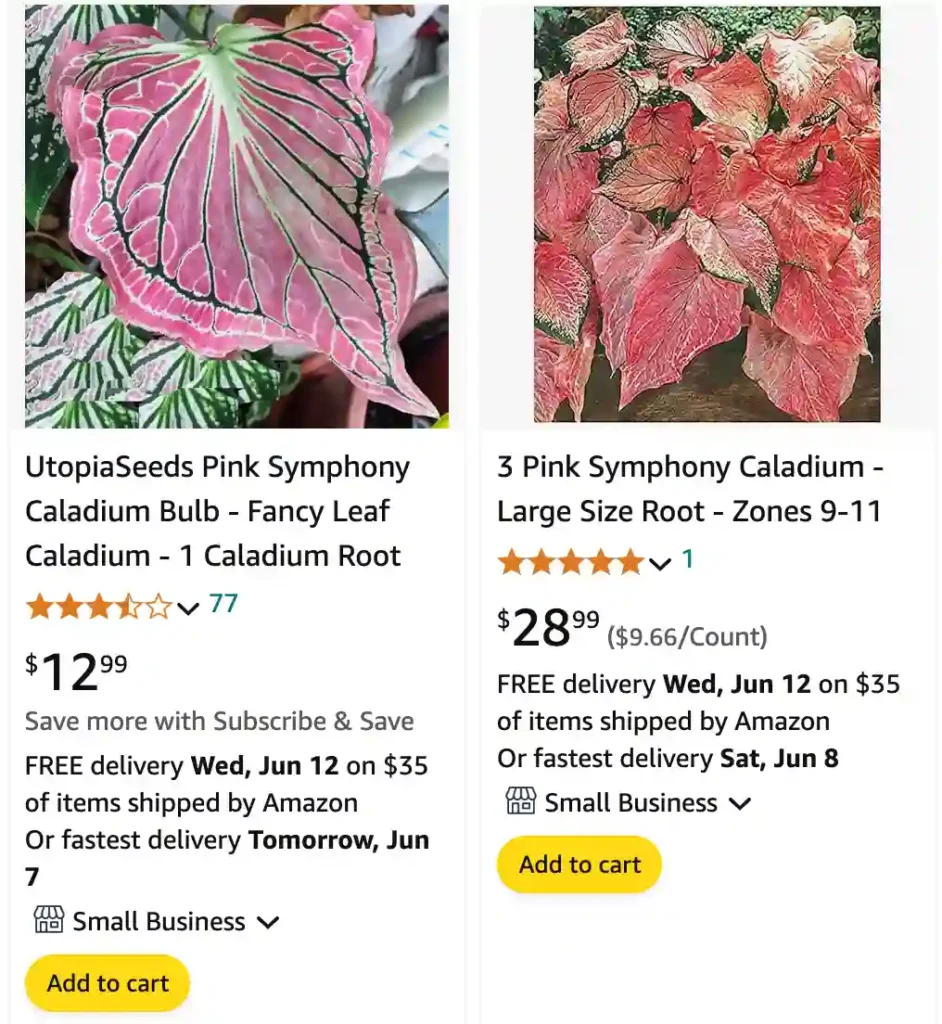
I. Introduction: Unveiling the ‘Pink Symphony’ Caladium – The Heart of My Shade Garden
The ‘Pink Symphony’ Caladium stands as a true masterpiece of ornamental horticulture, captivating enthusiasts with its vibrant and uniquely patterned foliage. Often affectionately known as “Angel Wings” or “Heart of Jesus,” this plant possesses an unparalleled ability to transform dimly lit garden spaces into canvases of dynamic color and texture. Its allure lies not just in its striking appearance but also in the subtle evolution of its hues throughout the growing season, making it a cherished addition for any gardener seeking to infuse their landscape with a touch of tropical elegance.
This comprehensive guide delves into every facet of cultivating the ‘Pink Symphony’ Caladium. Readers will discover its intricate botanical characteristics, the precise environmental conditions it craves, and detailed care instructions to ensure its thriving beauty. Beyond the technical aspects, this article offers a unique, first-person “time-lapse” narrative, chronicling the journey of nurturing this extraordinary plant from a dormant tuber to its full, resplendent maturity. This personal account aims to provide not only expert knowledge but also a relatable and inspiring perspective on the art and patience involved in bringing the ‘Pink Symphony’ to life in one’s own garden. The aim is to provide a definitive resource that covers all aspects of this captivating plant, ensuring that gardeners, whether novice or experienced, have all the information needed for success.
II. Botanical Profile: The Distinctive Beauty of ‘Pink Symphony’ – A Closer Look at Angel Wings
What is ‘Pink Symphony’ Caladium?
‘Pink Symphony’ is a specific cultivar of Caladium bicolor, a genus of flowering plants belonging to the Araceae family. This particular variety is also sometimes referred to by its alternative common name, ‘Thai Beauty’. Its primary appeal lies in its distinctive foliage, characterized as a “lance-leaf” or “strap-leaf” type. This means its leaves are narrower and more elongated compared to the broader, heart-shaped leaves found on “fancy-leaf” Caladium varieties. The slender, ruffled edges further enhance its delicate appearance.
The coloration of ‘Pink Symphony’ is truly its hallmark. The leaves are predominantly light pink, intricately veined with thin lines of green. This creates an “ever-changing display” where each leaf possesses a slightly different and unique pattern, a dynamic aesthetic influenced by light exposure and the plant’s maturity. In terms of size and growth habit, ‘Pink Symphony’ is a compact and mound-shaped plant, typically reaching a modest height of 10 to 12 inches and a similar width of 12 inches. This makes it an excellent choice for confined spaces, containers, hanging baskets, or as a charming foreground plant in mixed garden beds, especially when compared to other Caladiums that can grow significantly taller, sometimes up to 30 inches.
While ‘Pink Symphony’ Caladiums may produce small, calla-like flower structures, known as spathes, during the summer, these are generally considered horticulturally insignificant. A common practice among cultivators is to remove these nascent flowers. This strategic pruning redirects the plant’s vital energy away from flower production and channels it instead into developing more vibrant, show-stopping leaves and strengthening the underground tuber, which is crucial for the plant’s long-term health and future growth.
Originating from the tropical regions of South and Central America, Caladiums naturally thrive in warm, humid environments, often found in open forest areas and along river banks. ‘Pink Symphony’ is a tender perennial in USDA Hardiness Zones 10-11, where its tubers can remain in the ground year-round. In cooler climates, however, it is typically cultivated as a summer bulb, planted annually, or brought indoors to flourish as a vibrant houseplant.
‘Pink Symphony’ vs. Other Caladium Varieties: A Comparative Edge
Caladiums are broadly categorized into two main types based on their foliage: fancy-leaved and strap-leaved. Fancy-leaved cultivars, such as ‘Carolyn Whorton’ or ‘Red Flash’, are characterized by their large, broad, heart-shaped or semi-heart-shaped leaves borne on long petioles. In contrast, ‘Pink Symphony’ belongs to the strap-leaf category, alongside varieties like ‘Iceberg’ and ‘Miss Muffet’. These strap-leaf types feature smaller, narrower, thicker, and more elongated leaves on shorter petioles, resulting in a more compact growth habit. A notable advantage of strap-leaved caladiums is their tendency to produce a greater number of leaves per tuber compared to their fancy-leaved counterparts, leading to a denser, fuller plant display. This characteristic makes ‘Pink Symphony’ particularly effective for creating a lush, continuous carpet of color.
One of ‘Pink Symphony’s most significant advantages is its enhanced sun tolerance. While most Caladiums are strictly shade-lovers, ‘Pink Symphony’ “tolerates more sunlight than many other caladiums, especially in cooler climates”. Its most vibrant coloration often develops in partial sun, particularly with exposure to gentle morning light. This adaptability provides greater versatility for garden placement, allowing it to thrive in spots where other Caladiums might struggle. However, it is crucial to note that intense, direct afternoon sun can still scorch its delicate leaves, causing unsightly brown blotches or even leading to a reversion to greener foliage.
Aesthetically, ‘Pink Symphony’ stands out with its signature translucent pink leaves and intricate green veining. This differentiates it from other popular varieties like ‘White Christmas’, which features white leaves with green veins, or ‘Red Flash’, known for its deep red foliage with fuchsia spots. ‘Miss Muffet’, another strap-leaf variety, offers a chartreuse base speckled with maroon, providing a different color palette. The subtle, glowing quality of ‘Pink Symphony’s pink hues, especially when backlit, creates a unique visual effect that sets it apart.
For garden design, ‘Pink Symphony’ offers excellent opportunities for strategic companion planting. Its compact size and vibrant foliage pair beautifully with other shade-loving plants such as impatiens, begonias, and ferns. Furthermore, its strap-leaf form makes it an ideal choice for positioning in front of taller caladiums or other foliage plants. This layering technique creates depth and visual interest, contributing to a lush, tropical effect in garden beds, borders, hanging baskets, or patio containers.
Table 1: ‘Pink Symphony’ Caladium at a Glance
| Characteristic | Detail |
| Botanical Name | Caladium bicolor ‘Pink Symphony’ |
| Common Names | Angel Wings, Heart of Jesus, Thai Beauty |
| Leaf Type | Strap/Lance-Leaf |
| Mature Height | 10-12 inches |
| Mature Width | 12 inches |
| Foliage Color | Pink with Green Veins, Variegated |
| Sun Exposure | Part Shade to Shade (tolerates more sun than other varieties) |
| Soil pH | Slightly Acidic (5.5-6.2) |
| Hardiness Zones | USDA 10-11 (grown as annual elsewhere) |
| Special Features | Deer Resistant, Low Maintenance, Indoor Growing, Variegated |
III. Laying the Foundation: Optimal Growing Conditions for a Thriving ‘Pink Symphony’
Cultivating a ‘Pink Symphony’ Caladium that truly thrives requires understanding and replicating its preferred tropical environment. While often described as low-maintenance, its success hinges on providing a precise “Goldilocks Zone” of conditions. Deviations from these ideal parameters can quickly lead to stress and diminished vigor, underscoring the importance of attentive care.
Light Requirements: The Dance of Shade and Sun
‘Pink Symphony’ Caladiums flourish in conditions ranging from full shade to dappled shade, reflecting their natural understory habitat. When grown indoors, bright, filtered light or moderate shade is optimal, making a northern or eastern-facing windowsill an ideal spot where they receive ample indirect illumination without harsh direct rays.
A fascinating aspect of ‘Pink Symphony’ is its unique interaction with light concerning its coloration. While it generally prefers shade, exposure to partial sun, particularly the softer morning sun, can significantly intensify and enhance its vibrant pink hues. This characteristic provides a nuanced opportunity for gardeners to optimize the plant’s aesthetic display. However, it is crucial to provide a strong caution against exposing ‘Pink Symphony’ to intense, direct sunlight, especially during the harsh afternoon hours. Such exposure can lead to leaf scorch, manifesting as unsightly brown blotches, or can cause the foliage to revert to a more green coloration, diminishing its signature pink vibrancy. Adjusting placement or providing additional shade during peak sun hours is essential to prevent this damage.
Temperature & Humidity: Recreating the Tropics
As true tropical plants, Caladiums fundamentally demand warm and humid conditions to truly flourish. They exhibit a strong intolerance to cold temperatures, which can severely impede their growth and health. The optimal temperature range for ‘Pink Symphony’ includes daytime temperatures ideally between 70-75°F (21-24°C) and nighttime temperatures maintaining at least 60-65°F (16-18°C). It is particularly critical that outdoor planting is only undertaken when nighttime temperatures are consistently 65°F (18°C) or warmer. Planting in cooler soil can significantly delay germination or, more severely, cause the tubers to rot before they even sprout.
Maintaining high humidity levels is equally essential for promoting lush leaf growth and overall plant vigor. Practical methods for increasing ambient humidity include frequent misting of the foliage, especially for indoor plants. Another effective technique involves placing potted plants on shallow trays filled with pebbles and water; as the water evaporates, it moistens the surrounding air, creating a more favorable microclimate. It is also advisable to keep ‘Pink Symphony’ away from drying drafts or direct blasts from heating vents within the home, as these can rapidly deplete humidity levels and stress the plant.
Soil & Potting: The Perfect Blend for Root Health
The choice of soil and proper potting techniques are paramount for the health of ‘Pink Symphony’ Caladiums. They require a rich, well-drained soil composition to thrive. A critical point to emphasize is that Caladiums are highly susceptible to root rot if the soil becomes oversaturated or waterlogged. Therefore, ensuring excellent drainage is non-negotiable.
‘Pink Symphony’ prefers a slightly acidic soil pH, ideally ranging from 5.5 to 6.2. Some sources even suggest an optimal range as low as 4.5-5 , underscoring their strong preference for acidic conditions. A recommended potting mix would be one that is high in peat moss or other organic matter, or a good quality commercial peat-lite media. Incorporating additional compost or peat moss can further enhance soil aeration and drainage, creating an ideal environment for tuber development.
When planting tubers, precise depth and spacing contribute to optimal growth. Tubers should be planted 2 to 3 inches deep, ensuring that the “eyes”—the knobby side from which new sprouts emerge—are facing upward. For larger tubers, a spacing of 8-10 inches apart is recommended, while smaller tubers can be planted closer together to achieve a denser, fuller display. If the top and bottom of the tuber are indistinguishable, it can be planted either way, and it will still successfully sprout.
Watering Regimen: Consistent Moisture, Not Soggy Feet
During periods of active growth, it is essential to keep the soil of ‘Pink Symphony’ Caladiums consistently moist. The ideal approach is to water when the top layer of soil has dried slightly, but before the entire pot or bed becomes completely parched. This balance is crucial for preventing both drought stress and waterlogging.
Watering frequency will vary depending on environmental conditions. Outdoor plants, particularly during peak summer heat, may require daily watering to maintain adequate moisture levels. For garden beds, weekly watering during dry weather is typically sufficient. Container plants, however, will generally need more frequent checks and watering as their soil tends to dry out more rapidly due to increased air circulation around the pot.
Understanding the consequences of improper watering is vital for preventing common issues. Allowing the plant to dry out excessively can lead to visible signs of stress, such as yellowing leaves and premature leaf drop. Conversely, oversaturation is a primary and detrimental cause of root rot, a condition that can quickly lead to the demise of the plant. Prolonged periods of dry soil can also cause leaves to develop brown edges and wilt. For optimal health and performance, it is also suggested that Caladiums prefer rainwater over tap water.
IV. The Gardener’s Time-Lapse: Cultivating ‘Pink Symphony’ Through the Seasons (My Personal Journey)
My journey with ‘Pink Symphony’ Caladium began with a simple desire: to bring a splash of vibrant, living art into the shadier corners of my garden. I’d heard whispers of its ethereal beauty, its leaves like delicate brushstrokes of pink and green, and I was eager to witness its transformation firsthand. This isn’t just a plant; it’s a living symphony, and I was ready to be its conductor.
Chapter 1: The Seed of Anticipation – Planting the Tuber (Spring: Month 1)
It was early spring when my package arrived, holding the promise of beauty within its humble contents: a handful of dormant ‘Pink Symphony’ tubers. They looked unassuming, brown and knobbly, but I knew each held the blueprint for a miniature masterpiece. My excitement was palpable. Living in a cooler climate, I knew patience would be my first virtue. To give my ‘Pink Symphony’ a head start, I opted to begin them indoors, recreating a warm, humid sanctuary. I even gave them a little pre-planting spa treatment, soaking the tubers in lukewarm water for an hour to gently wake them from their slumber.
With a rich, well-draining potting mix – a blend heavy on peat moss, just as Caladiums prefer – I carefully nestled each tuber about two inches deep, ensuring the ‘eyes’ were pointing skyward. The soil was kept consistently moist, like a wrung-out sponge, and the pots found their home in a warm spot, aiming for that sweet spot of 70-85°F soil temperature.
Then came the waiting. Caladiums, I learned, teach patience. Germination can range from a swift two weeks to a seemingly endless twelve. There were days I’d peek, half-expecting a miracle, half-resigned to a long haul. But I reminded myself that the hotter the air and ground temperature, the faster they’d emerge. This initial phase was a quiet act of faith, a true test of a gardener’s resolve. The variability in sprouting time, heavily influenced by temperature, means that one must embrace the uncertainty and trust the process.
Chapter 2: The Green Overture – Early Growth & Emergence (Spring/Early Summer: Month 2-3)
And then, it happened. A tiny, tightly furled spear of green pushed through the soil. The first sprout! It was a moment of pure joy, a gentle promise of the beauty yet to come. Initially, the leaves were a lush, unassuming lime-green, sturdy and fresh, diligently soaking up the filtered light.
As the days warmed and nighttime temperatures consistently stayed above 65°F, the growth accelerated. More leaves unfurled, one after another, continuously throughout early summer. My ‘Pink Symphony’ was finding its rhythm, preparing for its grand transformation. Once the threat of frost had definitively passed, and the outdoor temperatures mirrored their indoor comfort, I carefully transplanted my young Caladiums into their chosen spots in the dappled shade of my garden beds and containers. I maintained consistent moisture, ensuring the soil remained evenly damp but never waterlogged, a delicate balance I was learning to master. This initial green phase, though lacking the signature pink, was a crucial period for establishing the plant’s foundational health and vigor before its main display.
Chapter 3: The Pink Crescendo – The Awakening of Color (Summer: Month 4-6)
As summer deepened, the true magic began. The lime-green began to recede, and a delicate, almost ethereal pink hue started to blush through the leaves. It was as if the plant was gently awakening, revealing its true personality little by little. Each new leaf seemed to be a fresh canvas, showcasing a unique pattern of pink and green, influenced by the light filtering through the canopy above. The translucent quality of the leaves was breathtaking, appearing to glow when backlit by the morning sun.
I observed that the deepest pink shades truly emerged during the height of summer, a few weeks to a couple of months after the initial green debut. This reinforced the importance of consistent warmth and light, but also the right kind of light. My ‘Pink Symphony’ thrived in partial sun, especially morning sun, which seemed to intensify its coloration without causing any scorching. I also learned to be meticulous with my watering, ensuring the soil was consistently moist, even daily during the hottest spells outdoors.
This was also the period for regular feeding. I opted for a monthly liquid fertilizer, carefully choosing one with a balanced NPK ratio, and even considering a slightly higher phosphorus content to encourage stronger, more colorful growth. I learned quickly that too much nitrogen could actually diminish the pink, leading to more green foliage, so I applied it lightly and with caution. The precise balance of nutrients and light is an art, directly influencing the plant’s signature hues. Any small, calla-like flowers that attempted to emerge were gently snipped away. I understood that these, while interesting, would divert precious energy from the stunning leaves and tuber development. My focus was entirely on that vibrant foliage, allowing the plant to allocate its resources to its most ornamental feature.
Chapter 4: A Symphony in Full Bloom – Peak Maturity & Display (Late Summer/Early Fall: Month 7-8)
By late summer, my ‘Pink Symphony’ Caladiums were truly magnificent. The once-green leaves had fully transformed into a rich, translucent pink, adorned with hints of cream and deeper rose veins, creating a striking contrast against the surrounding greenery. The plants stood tall and proud, adding a graceful, almost ethereal touch to my landscape and patio containers. Their lush, full appearance was a testament to the care they had received.
They became the undisputed focal point of my shaded areas, drawing compliments from every visitor. It was rewarding to see their beauty, knowing they were also resistant to deer, a common garden nuisance. Even at their peak, my care routine remained consistent. I continued to monitor soil moisture, especially during any dry spells, ensuring they never wilted from thirst. I also kept a watchful eye for any signs of stress or the rare pest, though thankfully, ‘Pink Symphony’ proved to be remarkably resilient. This peak period was the culmination of my efforts, showcasing the immense satisfaction derived from nurturing these plants to their full glory.
Chapter 5: The Winter’s Rest – Preparing for Dormancy (Fall: Month 9-10)
As autumn arrived, bringing shorter days and cooler temperatures, I began to notice subtle shifts in my ‘Pink Symphony’. The vibrant leaves, once so rigid, started to lose their posture, some yellowing or dying back. This was the plant’s natural signal that its active growing season was winding down, preparing for its essential winter dormancy. This period of rest is crucial for the tubers to regenerate and prepare for the next season’s growth.
My watering regimen gradually shifted. As the leaves began to die back, I reduced the frequency, allowing the soil to dry out more between waterings. Once the foliage had completely withered, I stopped watering altogether, ensuring the dormant tubers would not rot in soggy soil.
Living in a zone where winter frosts are common, I had a choice: treat them as annuals or attempt to save the tubers. While some sources suggest that Caladiums may perform best in their first season and that stored tubers might be shorter or less full in subsequent years, my experience, and the knowledge that tubers can grow “bigger and beefier” each year, led me to save them. This decision reflects a gardener’s individual goals – whether to prioritize a fresh, optimal display each year or to nurture and grow larger tubers over time.
After carefully cutting away the withered leaves, I gently freed the tubers from the soil. The next crucial step was air-drying them for one to two weeks in a warm, well-ventilated spot, ensuring they were completely dry to prevent rot. Once dried, I stored them in a box filled with dry moss or vermiculite, maintaining a consistent temperature of around 68°F (20°C) throughout the winter. A vital caution: never store Caladium tubers in the refrigerator, as this can cause them to decay. This careful preservation ensures the tubers are ready for their next awakening.
Chapter 6: Encore Performance – Regrowth & Perennial Joy (Next Spring: Month 11-12+)
The anticipation of spring always brings a renewed sense of hope to the gardener’s heart. My ‘Pink Symphony’ tubers needed at least 10 weeks of dormancy to fully regenerate. So, in late winter, around mid-to-late February, I began the process anew, replanting the dormant tubers indoors to give them a head start before the outdoor temperatures consistently warmed.
The joy of seeing new leaves emerge once again, pushing through the soil as temperatures rose, was a profound reward. It was a beautiful affirmation of the plant’s life cycle and the success of my overwintering efforts. Reflecting on the past year, I saw how the tubers had indeed grown “bigger and beefier” , potentially leading to an even fuller display with more leaves than the previous season. This continuous cycle of growth, dormancy, and reawakening underscores the enduring appeal of ‘Pink Symphony’ Caladiums. It’s a journey that offers not only stunning visual rewards but also a profound connection to the rhythms of nature, season after season.
Table 2: ‘Pink Symphony’ Growth Milestones: A Time-Lapse Overview
| Stage | Approximate Timeline | Key Characteristics/Events |
| Planting | Spring (Week 0) | Tubers planted indoors/outdoors (soil temp > 65°F); soaking bulbs optional. |
| First Sprout | Week 2-12 (Avg. 2-4 weeks) | First lime-green leaves emerge; patience required due to temperature sensitivity. |
| Pink Awakening | Month 2-4 | Green leaves gradually blush pink; translucent quality develops; color intensifies with partial sun. |
| Peak Foliage | Month 4-6 | Full, vibrant display of rich pink leaves with green veins; plant reaches mature size. |
| Dormancy Preparation | Fall (Month 6-8) | Leaves begin to yellow/wither; watering reduced; plant signals readiness for rest. |
| Dormancy/Storage | Winter (Month 9-10+) | Tubers dug/stored in cool, dry place (or left in pots in warm zones); minimal to no water. |
| Regrowth | Next Spring (Month 11-12+) | Tubers replanted (indoors for head start); new leaves emerge as temperatures warm. |
V. Advanced Care & Maintenance for Thriving Caladiums
Beyond the foundational requirements, certain advanced care practices can significantly enhance the vibrancy and longevity of ‘Pink Symphony’ Caladiums, ensuring they remain a stunning focal point in any garden or indoor setting.
Fertilization: Feeding for Fabulous Foliage
Proper fertilization is crucial for promoting vigorous foliage growth and maintaining the distinctive coloration of ‘Pink Symphony’ Caladiums. While they are not considered heavy feeders, they certainly benefit from a thoughtful feeding regimen during their active growth period, from spring through fall.
At the time of planting, incorporating a balanced, slow-release fertilizer into the soil is highly recommended. For potted plants, a more frequent approach is beneficial: monthly applications of a water-soluble feed are ideal. When selecting a fertilizer, it is advisable to choose one with an N-P-K (Nitrogen-Phosphorus-Potassium) ratio around 2-2-3 or 1-1-1.
A critical nuance in Caladium fertilization, particularly for ‘Pink Symphony’s vibrant pink hues, is the cautious use of nitrogen. Heavy nitrogen content is notorious for changing caladium colors, often leading to excessive green growth at the expense of the desired pink coloration. Over-fertilization, especially with high nitrogen, can also cause stretching of petioles, poor leaf color, and even brown spots on white-leaf cultivars. Conversely, phosphorus is known to promote stronger, more colorful growth. Therefore, fertilizer should always be applied lightly, adhering to package instructions, and prioritizing a balanced formula that supports foliage color over sheer vegetative growth.
Pruning & Shaping: Encouraging a Lush Display
Pruning plays a role in maximizing the ornamental appeal of ‘Pink Symphony’ Caladiums. The most significant pruning task involves the removal of any small, calla-like flowers (spathes) that may emerge during the summer. By snipping these off as they appear, the plant’s energy is redirected away from flower production and channeled entirely into developing more vibrant, larger leaves and strengthening the underground tuber. This ensures a more robust and visually impactful foliage display, which is the primary reason for growing Caladiums.
Additionally, it is beneficial to prune any dead or decaying leaves from the plant. These can be snipped off at the soil line to maintain a tidy appearance and prevent potential disease issues. This practice also encourages the plant to put energy into new, healthy growth.
Propagation: Expanding Your ‘Pink Symphony’ Collection
Expanding a ‘Pink Symphony’ collection is most commonly and efficiently achieved through tuber division. This method is often described as the simplest and quickest way to propagate Caladiums. The tubers, which resemble small potatoes, can be carefully divided using a pair of sharp gardening scissors. It is important to note that the size of the divided tuber will influence the initial size of the new plant’s leaves; smaller divisions may result in smaller leaves initially.
Another effective technique for influencing plant habit is “de-eyeing.” This involves carefully removing the large central bud, or “eye,” from the tuber with a sharp knife before planting. This practice stimulates the production of a greater number of, albeit slightly smaller, leaves from the surrounding secondary buds. The result is a fuller, more balanced, and bushier plant, rather than one with just a few very large leaves.
When selecting tubers for planting, it is important to understand that larger bulbs, such as #1 or Jumbo grade, do not necessarily guarantee larger leaves or taller plants. Instead, these larger tubers typically possess more “eyes” or growth points, which leads to a fuller plant with a greater number of leaves. Larger bulbs also tend to reach maturity more quickly, which can be an advantage in regions with shorter growing seasons.
While tuber division is the most practical method for home gardeners, seed propagation is also possible, though it is a significantly longer and more complex process primarily undertaken by hybridizers. Caladiums are protogynous, meaning their female parts are receptive before the male parts shed pollen, necessitating cross-pollination from different flowers for successful seed set.
VI. Troubleshooting Common ‘Pink Symphony’ Challenges: Diagnosing and Curing
Even with optimal care, ‘Pink Symphony’ Caladiums can occasionally encounter challenges. Understanding common problems, their causes, and effective solutions is key to maintaining healthy and vibrant plants. Many issues are directly linked to environmental stressors, highlighting the delicate balance required for these tropical beauties.
Addressing Diseases: Root Rot and Leaf Spots
The most prevalent diseases affecting Caladiums are fungal pathogens like Fusarium and Pythium, both of which lead to root rot. Symptoms include wilting, yellowing leaves, and a soft, mushy texture in the stems or tubers. The primary cause is consistently oversaturated or waterlogged soil. Prevention is the best cure: ensuring excellent drainage, avoiding overwatering, and planting in appropriate soil are crucial. In severe cases, fungicides can be applied. Tuber rot can also occur in storage if tubers are exposed to high humidity or cool temperatures, or if stored in a refrigerator.
Bacterial leaf spot, caused by Xanthomonas, can manifest as light tan to brown spots on the leaves. An anthracnose fungus can also cause similar leaf spots on lower leaves. To prevent these, ensure good air circulation around plants, proper spacing, and keep foliage dry, especially during watering. Affected leaves should be promptly removed and destroyed to prevent spread.
Managing Pests: Rare but Possible
Fortunately, Caladiums are generally quite resistant to most insect pests, making them relatively low-maintenance in this regard. However, aphids can occasionally become a minor issue. For control, a general all-purpose insecticide can be used, or for those preferring organic solutions, Neem oil is effective against soft-bodied pests like aphids, whiteflies, and mealybugs, and can also offer some disease prevention. Citrus oils and pyrethrins are other natural options that can deter various garden pests. When using any treatment, always follow product instructions carefully.
Environmental Stressors: When Conditions Aren’t Just Right
Many common problems with ‘Pink Symphony’ Caladiums stem from environmental conditions that deviate from their ideal tropical preferences.
- Sunburn: Despite ‘Pink Symphony’s enhanced sun tolerance, intense, direct sunlight, particularly after cloudy periods, can lead to sunburn. This appears as brown blotches or a scorched appearance on the leaves. The solution is to provide more shade, especially during the harshest afternoon sun.
- Stunted Growth: If bulbs are stored at temperatures below 60°F (16°C) or above 90°F (32°C), it can lead to stunted or erratic growth, even if the tuber appears undamaged. Ensuring proper storage conditions is vital for healthy emergence.
- Leaf Burn/Scorching: This can result from several factors, including foliar application of fertilizer, excessive sunlight, or a lack of water. Thin-leaved cultivars are particularly prone to scorching under drought stress or deficiencies in phosphorus or potassium. Correcting watering practices and ensuring balanced fertilization can resolve these issues.
- Greening or Poor Coloration: A common concern for ‘Pink Symphony’ gardeners is when the vibrant pink hues fail to develop fully or the leaves appear excessively green. This is often caused by too much nitrogen fertilizer, which promotes green vegetative growth over color, or by too much direct sun exposure. Adjusting fertilizer type (reducing nitrogen, increasing phosphorus) and ensuring appropriate light conditions will help restore the desired pink.
- Drooping/Wilting: A sudden drooping or wilting of leaves typically indicates either low temperatures or a prolonged absence of water. Ensuring the plant is kept in its preferred warm environment and maintaining consistent soil moisture will resolve this. Leaves will get brown edges and turn yellow if the soil dries out for too long.
Table 3: Common Caladium Problems & Solutions
| Problem | Common Symptoms | Primary Causes | Solutions/Prevention |
| Root Rot | Wilting, yellowing, mushy stems/tubers | Overwatering, poor drainage, cool soil temperatures | Ensure well-draining soil, avoid oversaturation, plant when soil is warm (>65°F) |
| Leaf Spot | Light tan to brown spots on leaves | Bacterial (Xanthomonas) or fungal (Anthracnose) pathogens | Good air circulation, proper spacing, keep foliage dry, remove affected leaves |
| Sunburn | Brown blotches, scorched appearance | Intense, direct sunlight exposure | Provide dappled shade or morning sun, avoid harsh afternoon sun |
| Stunted Growth | Very slow or erratic growth | Improper tuber storage temperatures (<60°F or >90°F) | Store tubers in a cool, dry place around 68°F (20°C) |
| Leaf Burn/Scorching | Burnt leaf margins, scorched areas | Foliar fertilizer, excess sun, drought stress, P/K deficiency | Apply fertilizer to soil, ensure proper light/water, balanced nutrients |
| Greening/Poor Color | Leaves more green than pink, dull hues | Too much nitrogen fertilizer, excessive direct sun | Adjust fertilizer (lower N, higher P), move to dappled/partial shade |
| Drooping/Wilting | Leaves limp, losing rigidity | Low temperatures, prolonged dry soil | Ensure warm temperatures (>60°F night), maintain consistent soil moisture |
VII. Important Safety Note: Caladium Toxicity – Handle with Care
While the ‘Pink Symphony’ Caladium is undeniably beautiful, it is crucial for all cultivators to be aware of its inherent toxicity. All parts of the Caladium plant are toxic if chewed or swallowed by humans or pets.
The plant contains insoluble calcium oxalate crystals. When the plant tissue is chewed or bitten into, these microscopic, needle-like crystals are released, causing immediate and intense irritation upon contact with the mouth and oral cavity. For pets, common symptoms of ingestion include excessive drooling, pawing at the mouth or face, oral pain, decreased appetite, and vomiting. In humans, symptoms can include an intense and painful burning sensation, excessive salivation, and swelling of the lips, mouth, tongue, and throat, as well as severe gastric irritation. In very rare but serious cases, swelling of the upper airway can occur, making breathing or swallowing difficult. Furthermore, direct contact with the sap can cause dermatitis, characterized by intense itching and burning sensations on the skin.
Given these risks, responsible cultivation involves implementing important safety precautions. It is highly advisable to wear gloves when handling Caladiums, especially when potting or dividing tubers, to prevent skin irritation. More importantly, ‘Pink Symphony’ Caladiums should be placed in locations that are well out of reach of curious children and pets. In the unfortunate event of ingestion, it is imperative to seek immediate medical attention. For pets, contacting a veterinarian or a pet poison helpline is recommended. For humans, urgent medical attention should be sought if swelling of the lips or tongue occurs, or if there is any difficulty breathing or swallowing. Prioritizing safety ensures that the beauty of ‘Pink Symphony’ can be enjoyed without undue risk.
VIII. Conclusion: Embracing the Enduring Charm of ‘Pink Symphony’
The ‘Pink Symphony’ Caladium truly lives up to its name, orchestrating a captivating display of color and texture that enriches any shaded garden or indoor space. Its unique lance-leaf foliage, adorned with ever-changing shades of translucent pink and green, offers a dynamic visual appeal that differentiates it from many other ornamental plants. As a relatively low-maintenance plant once its specific environmental needs are met, it proves to be a rewarding choice for gardeners of all experience levels.
The journey of cultivating ‘Pink Symphony’ is one of discovery and patience, a true time-lapse unfolding before one’s eyes. From the initial anticipation of the dormant tuber to the thrill of the first green sprout, the magical awakening of its pink hues, and its eventual peak display, each stage offers its own unique satisfaction. The ability to overwinter its tubers, allowing them to grow larger and potentially produce even fuller displays in subsequent seasons, adds a layer of enduring joy to the gardening experience.
By understanding and providing for its specific requirements—the right balance of light, consistent warmth and humidity, well-draining acidic soil, and thoughtful fertilization—gardeners can unlock the full potential of this Angel Wing variety. While vigilance against common issues and awareness of its toxicity are important, the rewards of nurturing ‘Pink Symphony’ far outweigh the challenges. It is a plant that promises to infuse homes and gardens with a vibrant, tropical flair, offering years of evolving beauty and a continuous symphony of color.

If i die, water my plants!