Pink Vegetables: FAQs Answered by Ferb Vu
As someone deeply passionate about the natural world—especially plants—I’ve always found myself drawn to the curious and the colorful. That’s why I took a particular interest in Pink Vegetables. They don’t just surprise the eyes; they offer unique nutrition, culinary versatility, and even ornamental beauty.
In this article, I’ll address the most common questions I’ve received about Pink Vegetables, backed by personal experience, culinary exploration, and some light horticultural curiosity. I’ll also share a comprehensive Pink Vegetables List and why these often-overlooked crops deserve a place on your plate.
Plant FAQs: Vegetable
Are There Any Pink Vegetables?
Yes, there are! A surprising number of vegetables exhibit pink hues either in their roots, stems, leaves, or skins. This coloration comes from natural pigments like anthocyanins and betacyanins—phytonutrients known for their antioxidant properties. While pink is more common in flowers or fruits, some vegetables proudly wear it too. I’ve grown and cooked many of these, and they’re as delicious as they are beautiful.
Pink Vegetables List (With Personal Notes)
Here’s my curated Pink Vegetables List—some grown in my garden, others sourced from farmers’ markets or global kitchens:
- Pink Radish – These come in several varieties, including ‘Pink Beauty’. Crisp, spicy, and perfect in salads.
- Pink Swiss Chard – Its bright stems are not just eye-catching; they’re loaded with vitamin K and magnesium.
- Pink Beetroot – Varieties like ‘Chioggia’ feature candy-striped interiors. Sweet and earthy.
- Pink Lettuce – Look for heirloom varieties like ‘Yugoslavian Red’. Mild in taste but bold in color.
- Rhubarb – Often mistaken as a fruit, this pink-stemmed veggie is tart and ideal for desserts.
- Pink Kale – Ornamental yet edible. Though slightly bitter, it brings drama to a dish.
- Pink Celery – Yes, it exists! ‘Pink Plume’ is an heirloom cultivar with a subtle, fragrant crunch.
- Red Cabbage (When Cooked) – Though technically purple, certain acidic cooking methods can turn it pink.
- Pink Carrots – These ancient varieties are making a comeback. Milder and sweeter than the orange kind.
- Amaranth Leaves – Reddish-pink foliage, especially in young shoots. Rich in iron and great in stir-fries.
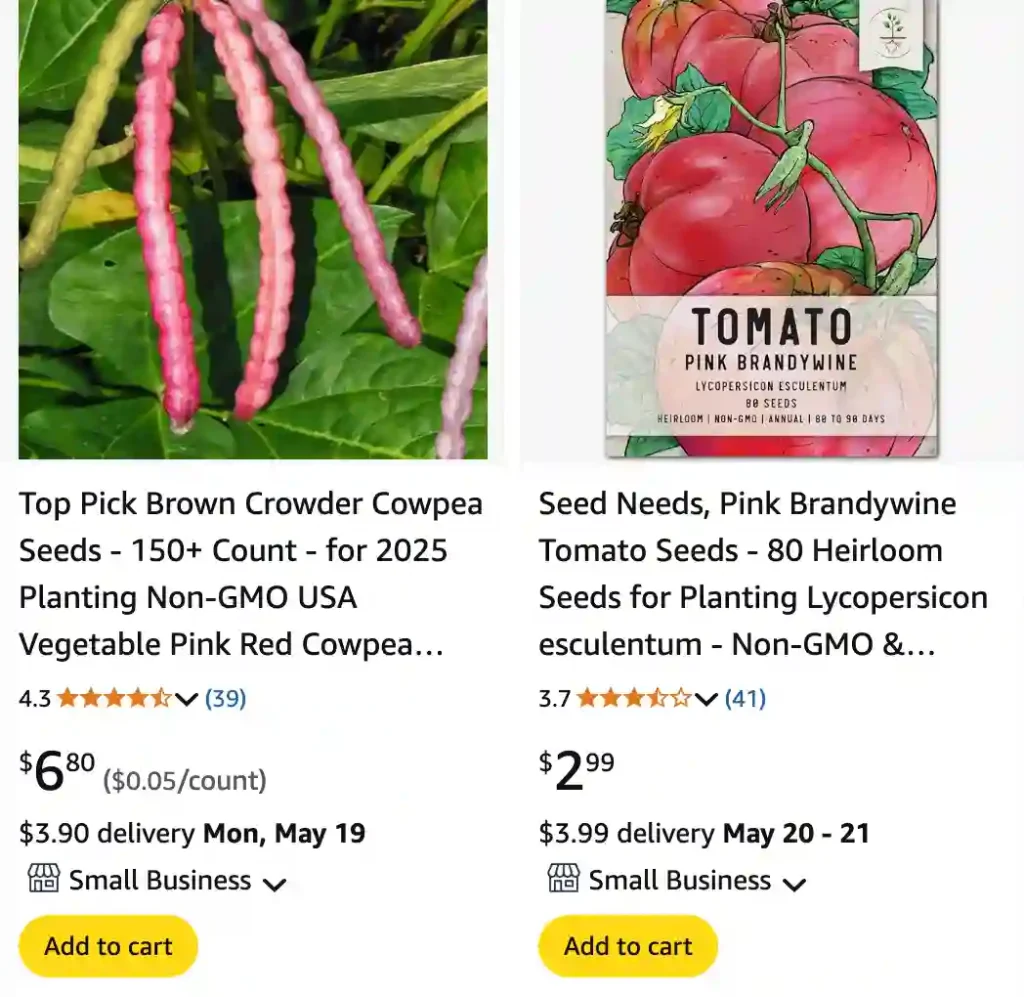
- Pink Cowpea
- Pink Brandywine Tomato
Why Grow or Eat Pink Vegetables?
A question I often hear is why bother seeking out pink vegetables at all? For me, it’s about nutritional diversity and visual appeal. These pigments are not just for show. They contain powerful antioxidants that combat inflammation, improve heart health, and may even help reduce cancer risk.
Pink vegetables also challenge our culinary norms. Who says salad greens have to be green? A pink-stemmed chard or blush-colored radish offers more than novelty—it delivers a richer experience.
Common Misconceptions About Pink Vegetables
Let me address a few myths I hear often:
- “Pink vegetables are genetically modified.”
Not necessarily. Many are heirloom varieties passed down through generations. - “They’re less nutritious than darker vegetables.”
Not true. In fact, many pink vegetables owe their color to phytonutrients that offer health benefits. - “They’re just gimmicky.”
As someone who’s eaten his way through a garden full of colors, I can confidently say the flavor and nutrition are real.
Where Can You Find Pink Vegetables?
You don’t always need a specialty store. Try:
- Farmers’ markets in spring and summer.
- Heirloom seed catalogs if you’re a grower like me.
- Asian or European groceries, especially for rhubarb and amaranth.
And yes, even some regular supermarkets are starting to stock pink radishes or beets more often—likely because people are asking the same thing: Are there any Pink Vegetables?
Final Thoughts: Pink is the New Green
In my experience, exploring the world of Pink Vegetables opened up a fresh way to engage with food, gardening, and health. The colors invite curiosity, but the benefits go deeper: improved nutrition, biodiversity, and aesthetic joy.
So, next time you’re putting together a meal or planting a row in the garden, consider going pink. It’s not just pretty—it’s powerful.

If i die, water my plants!