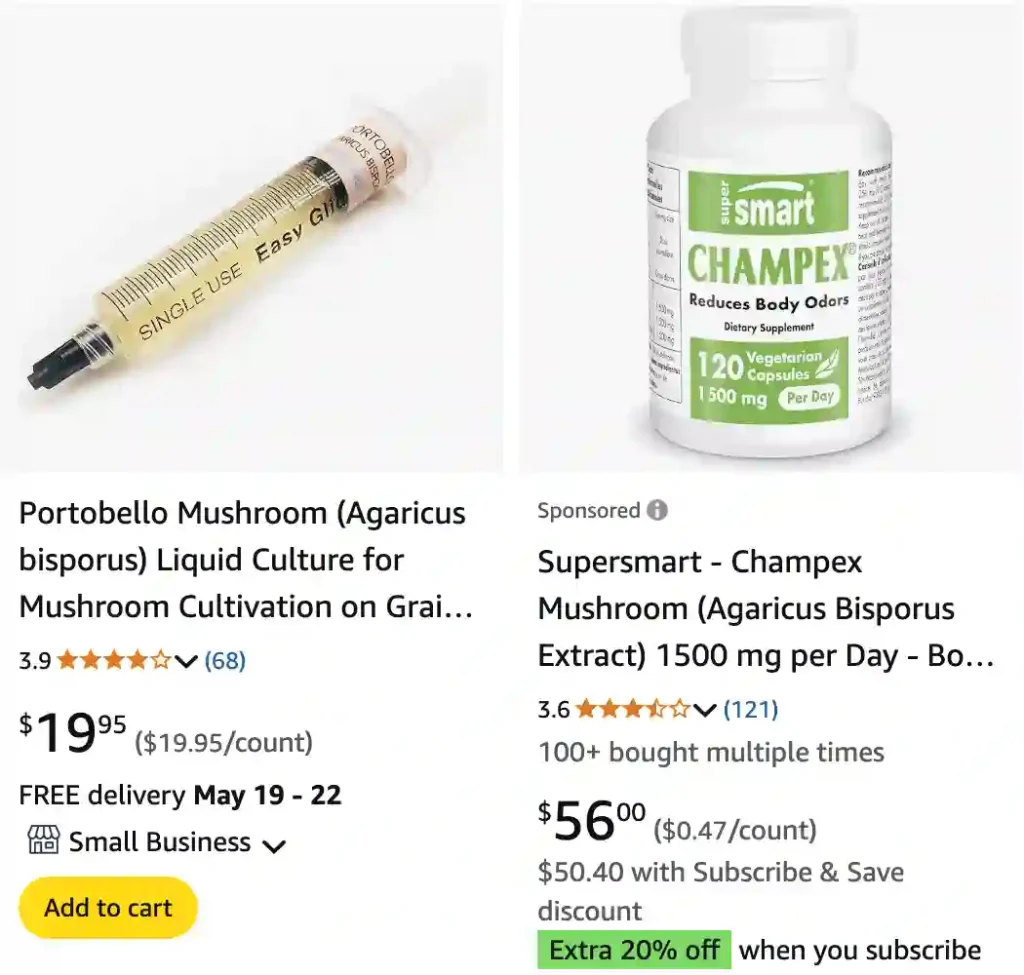
I’ve always found Champignon Mushrooms fascinating. Whether I’m cooking them fresh, tossing them into a salad, or drying them for later use, they’ve earned a staple place in my kitchen. But many people still ask the same questions: What are Champignon Mushrooms? Are they safe? Are they healthy? So, I’ve decided to gather the most frequently asked questions and share everything I know—clear and concise.
What Are Champignon Mushrooms?
Let’s start with the basics. Champignon Mushrooms, also known as Agaricus bisporus, are one of the most common edible mushrooms in the world. These are the familiar white button mushrooms you see at grocery stores. They also include their brown cousins—the Cremini and Portobello. They’re versatile, mild in flavor, and incredibly easy to incorporate into countless recipes.
Are Champignon Mushrooms Healthy?
Yes, Champignon Mushrooms are healthy—very much so. They’re low in calories, fat-free, and packed with essential nutrients. They contain B vitamins like riboflavin and niacin, selenium, potassium, and even antioxidants like ergothioneine. These compounds help combat inflammation, support immune health, and may even lower the risk of chronic disease.
I eat them regularly and notice the difference in my digestion and energy. With about 15–20 champignon mushrooms calories per 100 grams, they’re a perfect low-calorie food for anyone watching their weight or trying to eat clean.
Are Champignon Mushrooms Poisonous?
Here’s a common misconception. People often ask, “Are Champignon Mushrooms poisonous?” The answer: not when you buy them from trusted sources like a grocery store or grow them yourself. However, wild mushroom foraging is risky. Some toxic mushrooms look similar. If you’re not trained in mycology, don’t pick wild ones.
Benefits of Champignon Mushrooms
Let’s talk about benefits of Champignon Mushrooms. Beyond the vitamins and minerals, they also:
- Support gut health with natural prebiotics.
- May help regulate blood sugar levels.
- Improve cardiovascular function.
- Contain beta-glucans, known to support immune defense.
For me, the biggest benefit is their role in plant-forward meals. I use them to replace meat in pasta, stir-fries, and tacos. They’re filling and flavorful without the heaviness of animal fat.
Can Dogs Eat Champignon Mushrooms?
I’ve got a dog, so I asked the same question—can dogs eat Champignon Mushrooms? The answer is: yes, but with a caveat. If they’re plain, cooked, and store-bought, they’re safe in small amounts. But avoid mushrooms seasoned with garlic, onion, butter, or salt—those can be harmful. And again, never feed your dog wild mushrooms.
Dried Champignon Mushrooms
When fresh mushrooms aren’t available, I turn to dried Champignon Mushrooms. Drying intensifies their umami flavor and makes them perfect for broths, risottos, and stews. Soak them in warm water for 20–30 minutes before use. I often save the soaking liquid as a rich mushroom stock.
How to Cook Champignon Mushrooms?
How to cook Champignon Mushrooms? Keep it simple. I sauté them in olive oil with a pinch of salt and cracked pepper. Let them brown without overcrowding the pan. Sometimes I roast them whole with herbs like thyme and rosemary. They also go great in omelets, stir-fries, and soups.
Quick tip: cook them at high heat to avoid that soggy, steamed texture. A good sear brings out their earthy flavor.
How to Grow Champignon Mushrooms?
If you’re like me and love gardening, you’ve probably wondered how to grow Champignon Mushrooms. They’re one of the easiest mushrooms to cultivate at home. You’ll need a dark, cool, and moist environment—like a basement or a grow tent. Use mushroom grow kits or spawn mixed into composted manure. In 3–4 weeks, you’ll start harvesting. It’s rewarding and saves money.
Final Thoughts
To wrap it up, Champignon Mushrooms are more than just a kitchen staple—they’re a powerhouse of nutrition, versatility, and flavor. Whether you want to explore their health benefits, dry them for future use, cook up a simple dish, or even grow your own, they offer an incredible return on your time and attention.
They’re safe, healthy, and sustainable. From boosting my health to feeding my dog (occasionally), they’ve become a cornerstone of how I eat and live.

If i die, water my plants!