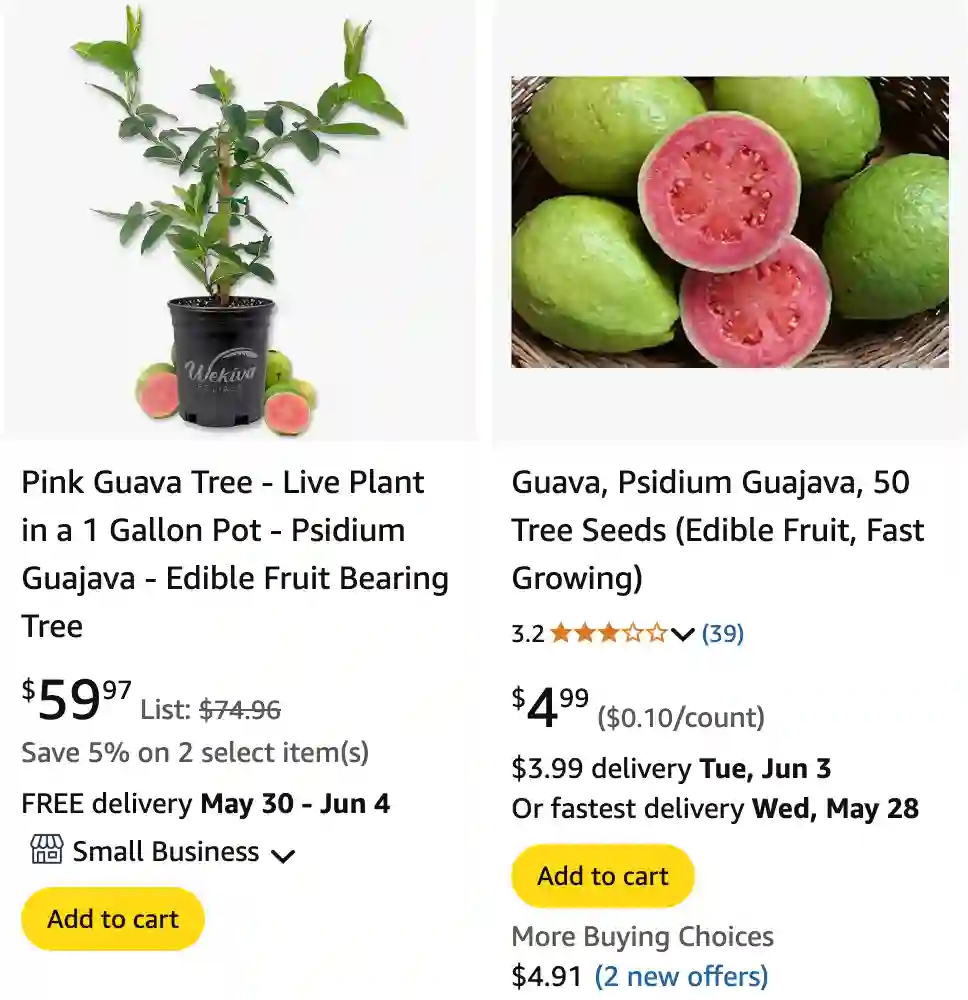
As someone who’s passionate about plants and gardening, I often get asked about Psidium Guajava, commonly known as the guava tree. It’s a fascinating fruit-bearing plant with a rich history and many practical uses, so I thought I’d share some frequently asked questions about it based on my experience and research. Whether you’re a beginner or an experienced gardener, this guide will clear up common doubts and help you appreciate this amazing plant even more.
What Is Psidium Guajava?
When people ask me, “What is Psidium Guajava?” I love to explain that it’s a tropical fruit tree native to Central and South America, belonging to the Myrtaceae family. This tree produces the well-known guava fruit, which is beloved worldwide for its sweet aroma and tangy flavor.
Psidium Guajava is more than just a fruit tree; it’s a multipurpose plant. The leaves have medicinal properties, often used in traditional remedies for digestive issues. The wood is durable, and the flowers attract pollinators like bees and butterflies, making it an ecological asset. The fruit itself is packed with vitamin C, fiber, and antioxidants, contributing to its popularity in diets and natural health.
How to Pronounce Psidium Guajava
I notice many people hesitate on the name and ask, “How to pronounce Psidium Guajava?” It’s simpler than it looks. Pronounce it as “SY-dee-um gwa-HAH-vah.”
Breaking it down:
- Psidium sounds like “SY-dee-um” (the “P” is silent).
- Guajava is pronounced “gwa-HAH-vah,” with the stress on the second syllable.
Once you say it a few times, it sticks—and it’s always satisfying to say the full scientific name when talking about plants.
What Are the Growing Conditions for Psidium Guajava?
From my hands-on gardening experience, Psidium Guajava thrives best in warm climates with plenty of sunlight. It prefers tropical and subtropical environments but can adapt to a range of soil types as long as the soil drains well.
Here are the essentials I follow:
- Sunlight: Full sun for at least 6 hours a day.
- Soil: Sandy loam or well-drained soil.
- Water: Moderate watering; guava trees tolerate some drought but produce better with consistent moisture.
- Temperature: Optimal growth occurs between 68°F to 95°F (20°C to 35°C). It’s not frost tolerant, so protect young plants from cold snaps.
How Long Does It Take for Psidium Guajava to Bear Fruit?
One question I frequently get is about fruiting time. From my observations, a Psidium Guajava tree typically begins to produce fruit within 2 to 4 years after planting. However, this depends on factors like the variety, climate, and care routines.
Dwarf varieties may fruit earlier, sometimes in just 18 months. Proper fertilization, pruning, and pest control also influence fruit yield and quality.
What Are the Common Uses of Psidium Guajava?
Aside from enjoying fresh guava fruit, I find the plant has many practical applications:
- Culinary: Guava is eaten raw, juiced, or made into jams, jellies, and desserts. The seeds can be used for extracting oil.
- Medicinal: Guava leaves have antimicrobial and anti-inflammatory properties. They’re often brewed into tea to soothe stomach aches and treat diarrhea.
- Ornamental: The tree’s fragrant white flowers and lush foliage make it an attractive addition to gardens.
- Environmental: Guava trees help stabilize soil and provide habitat for pollinators.
How to Propagate Psidium Guajava?
I usually propagate guava trees by seeds or cuttings. Here’s my preferred method:
- Seeds: Clean the seeds from the fruit and dry them. Sow in a seed tray with light, well-draining soil. Keep the soil moist until germination, which takes about 2-8 weeks.
- Cuttings: Take semi-hardwood cuttings about 6-8 inches long. Dip in rooting hormone and plant in a moist, sandy medium. Rooting usually happens within a month.
Both methods are effective, but cuttings produce fruiting plants faster.
What Are Common Pests and Diseases Affecting Psidium Guajava?
From my gardening experience, Psidium Guajava can face a few pests and diseases. The most common are:
- Fruit flies: They lay eggs inside the fruit, causing it to rot. Using traps and timely harvesting helps control them.
- Guava wilt disease: A fungal infection that causes leaf yellowing and dieback. Preventive fungicide sprays and good sanitation reduce outbreaks.
- Aphids and scale insects: These pests suck plant sap and weaken the tree. Regular inspection and organic insecticidal soap help manage infestations.
Why Is Psidium Guajava Important?
To me, Psidium Guajava is not just a fruit tree but a symbol of sustainable gardening. Its resilience, health benefits, and versatility make it a valuable plant for home gardeners and commercial farmers alike. Growing guava trees supports biodiversity, provides nutritious fruit, and connects us with nature in a meaningful way.
Final Thoughts
Psidium Guajava is truly a remarkable plant. Understanding what is Psidium Guajava and how to pronounce Psidium Guajava is just the beginning. From growing conditions to propagation, pest management, and uses, this plant offers plenty to explore.

If i die, water my plants!