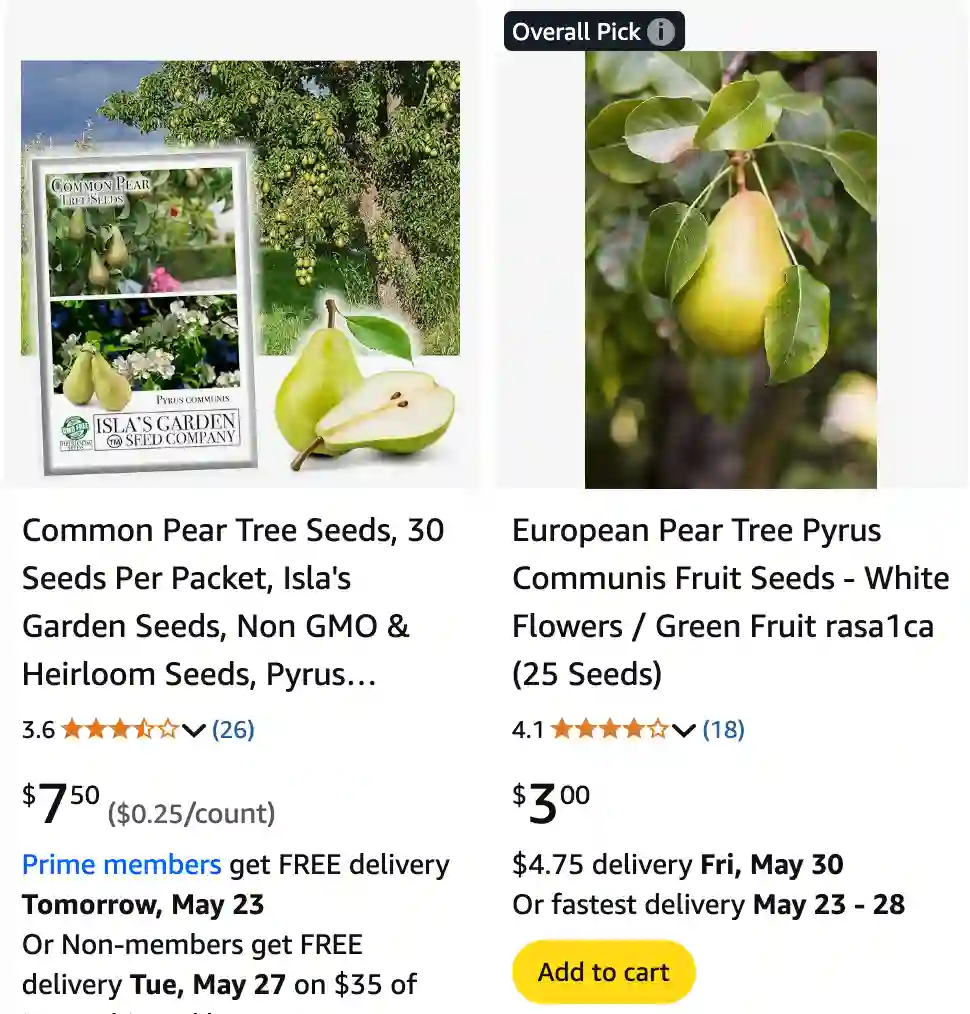
Hi, I’m Ferb Vu, and today I want to share my insights on Pyrus Communis, commonly known as the European pear. Over the years, I’ve grown this fascinating fruit tree, and I’ve gathered plenty of practical knowledge, comparisons, and answers to common questions. Whether you’re thinking of planting one or just curious about it, this FAQ-style article will walk you through everything I know, in a clear and straightforward way.
What Is Pyrus Communis and Why Is It Popular?
Pyrus Communis is the classic European pear tree. It produces those juicy, sweet pears you find in markets worldwide. Unlike some other pear species, Pyrus Communis has large, fleshy fruit with a buttery texture, making it a favorite for eating fresh, baking, or cooking.
I like it because it’s adaptable to many climates, especially temperate zones, and it fits well in both small gardens and larger orchards. Its flowers are also quite pretty, blooming in white clusters that attract bees, which means it helps local pollinators.
How Does Pyrus Communis Compare to Asian Pears?
I’ve grown both European pears (Pyrus Communis) and Asian pears (Pyrus pyrifolia). Here’s what I noticed:
- Fruit Texture: European pears are soft and buttery when ripe, while Asian pears stay crisp and crunchy, almost like apples.
- Flavor: European pears have a deeper, sweeter flavor; Asian pears tend to be milder and more refreshing.
- Tree Growth: Pyrus Communis trees often grow taller and can live longer, but Asian pears tend to be more compact and easier to manage in small spaces.
- Harvest Time: Asian pears usually mature earlier, which can be a bonus if you want fruit sooner.
For me, Pyrus Communis feels more traditional and versatile, especially if you like pear recipes. But if you want a crisp bite and a unique texture, Asian pears are worth trying.
What Are the Best Growing Conditions for Pyrus Communis?
From my experience, Pyrus Communis thrives best in full sun with well-drained soil. Here’s a quick checklist of what I pay attention to:
- Sunlight: At least 6 hours of direct sun daily.
- Soil: Prefers loamy, slightly acidic to neutral pH (around 6.0 to 7.0).
- Water: Regular watering, especially in dry periods, but avoid waterlogging.
- Climate: Best in USDA zones 4 to 9. It needs a chilling period to break dormancy in winter.
I learned that planting it in a sheltered spot reduces wind damage and improves fruit quality. Also, mulching helps maintain moisture and keeps weeds down.
Does Pyrus Communis Require Pollination Partners?
Yes, this is crucial! Pyrus Communis is mostly self-incompatible, which means it usually needs another compatible pear variety nearby to cross-pollinate and set fruit well. In my orchard, I plant at least two different pear cultivars within about 50 feet to ensure good pollination.
If you don’t have a pollinator, the tree might bloom beautifully but produce few or no pears. Honeybees and native bees play a big role here, so keeping your garden pollinator-friendly helps too.
How Does Pyrus Communis Compare to Apple Trees (Malus domestica)?
People often ask me how pears stack up against apples. I think both have their charm, but here’s my take:
- Flavor: Pears have a softer, buttery texture, while apples are crisper and often more tart.
- Maintenance: Pear trees can be more susceptible to fire blight, a bacterial disease, so they need regular monitoring. Apples also have their pests but are often considered a bit easier to manage.
- Harvest and Storage: Apples generally store longer, while pears must be picked before fully ripe and ripened off the tree.
- Uses: Both are great fresh or cooked, but pears excel in desserts due to their delicate sweetness.
In my garden, I enjoy having both because they complement each other well across the growing season.
What Are Common Pests and Diseases of Pyrus Communis?
In my experience, Pyrus Communis faces a few common challenges:
- Fire Blight: A bacterial disease that causes blackened shoots and can kill branches. Early pruning and proper sanitation are essential.
- Pear Psylla: A small insect that sucks sap, weakening the tree. I use natural predators like ladybugs or horticultural oils to control them.
- Codling Moth: The larvae burrow into fruit, ruining it. Traps and careful timing of treatments help manage this.
- Scab: A fungal disease causing dark spots on leaves and fruit. Fungicides and good airflow reduce incidence.
Overall, vigilance and proper cultural care make a big difference. I’ve found that healthy trees resist pests better, so feeding with balanced fertilizer and watering consistently helps.
Can Pyrus Communis Be Grown in Containers?
I once experimented with a dwarf Pyrus Communis cultivar in a large container. It worked surprisingly well! You need:
- A large pot (at least 15 gallons)
- High-quality potting mix
- Regular watering and feeding
- Pruning to maintain size and shape
Container growing is ideal for small patios or urban gardeners who want fresh pears but lack ground space. Just keep an eye on watering because pots dry out faster than the ground.
How Long Does It Take for Pyrus Communis to Bear Fruit?
From planting a young tree, it typically takes about 4 to 6 years before you get a good harvest. I’ve found that grafted nursery trees tend to produce sooner than trees grown from seed. Once established, the tree can bear fruit for decades, often improving yield as it ages.
What Are Some Popular Cultivars of Pyrus Communis?
Here are some varieties I’ve grown or researched:
- Bartlett: The most common and versatile, sweet and juicy.
- Bosc: Known for its crisp texture and spicy flavor.
- Anjou: Sweet, slightly firmer, great for cooking.
- Comice: Very sweet and juicy, often considered gourmet.
Choosing the right cultivar depends on your climate, taste preference, and intended use.
Can Pyrus Communis Trees Be Pruned for Shape and Health?
Definitely! Pruning is key to keeping the tree productive and healthy. I prune annually in late winter or early spring to:
- Remove dead or diseased wood
- Open up the canopy for light and airflow
- Shape the tree to a manageable size
This helps reduce disease pressure and improves fruit quality. Plus, a well-shaped tree looks great in the garden.
Conclusion
Pyrus Communis is a rewarding tree to grow. From its delicious fruit to its charming blossoms, it adds value to any garden. It needs some care and the right conditions, but once established, it can provide tasty pears for years. I hope my personal insights help you feel confident about growing and caring for this wonderful tree.

If i die, water my plants!