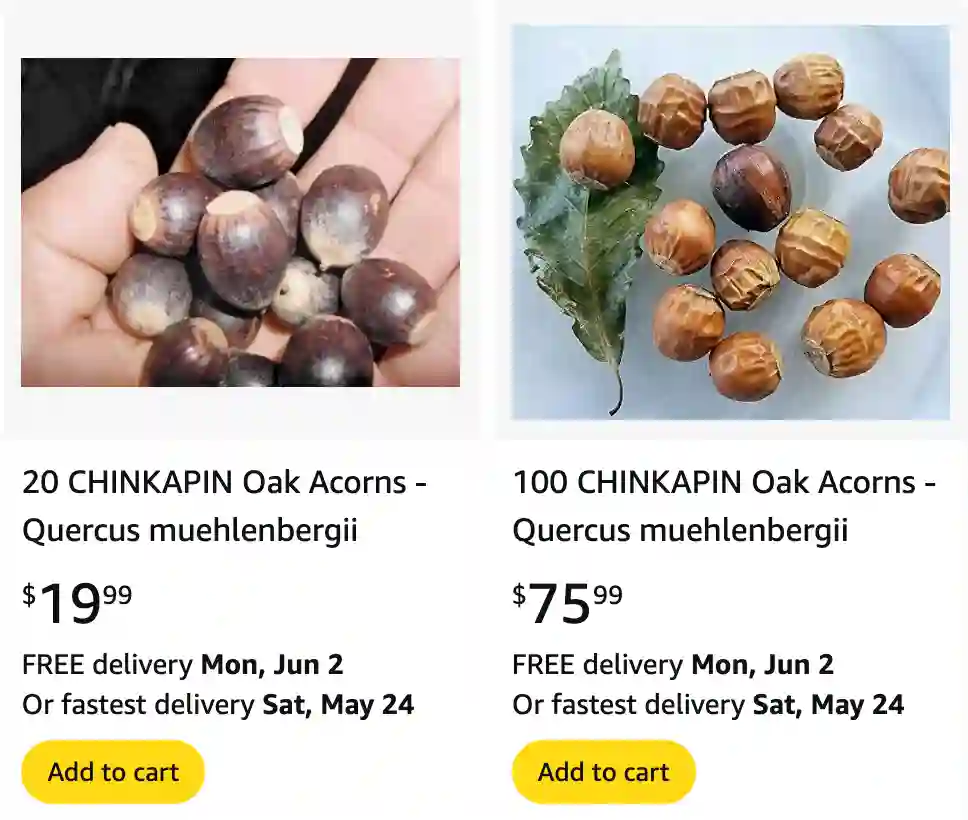
As a passionate grower of native trees, Quercus Muehlenbergii—also known as Chinkapin Oak—has become one of my favorite oaks to grow. This native deciduous tree has surprised me with its resilience, ecological value, and aesthetic appeal. I’ve fielded countless questions about this tree, so I’ve put together a comprehensive FAQ based on my personal experience.
657 Species in Genus Quercus – Oak Tree
What Is Quercus Muehlenbergii?
Quercus Muehlenbergii is a native hardwood tree found mostly in the eastern and central United States, stretching into southern Canada and northern Mexico. It’s a member of the white oak group—scientifically, the Fagaceae family.
I love it because it’s long-lived, strong, and supports an entire ecological web. Its bark is light gray, the leaves are shallowly lobed with a toothed margin, and the fall color turns yellow to brown.
Why Is It Called Chinkapin Oak?
The name comes from the resemblance of its leaves to those of the Chinkapin (Castanea pumila), a chestnut species. But let’s be clear—Quercus Muehlenbergii is a true oak. Its acorns are sweet and low in tannins, making them a preferred food for wildlife like deer, wild turkeys, and even squirrels.
How Fast Does Quercus Muehlenbergii Grow?
In my experience, Chinkapin Oak is moderate to fast-growing for an oak. I’ve seen it grow up to 1–2 feet per year under good conditions—well-drained alkaline soil and full sun.
Compared to slower species like Quercus Alba (White Oak), it’s faster. But not as fast as something like Quercus Phellos (Willow Oak) in ideal conditions.
How Tall and Wide Will It Get?
After two decades of growth, mine reached 45 feet tall and about 35 feet wide. Mature specimens can top 60–80 feet tall, with a rounded crown. It gives ample shade but doesn’t get as massive as Bur Oak (Quercus Macrocarpa).
Is Quercus Muehlenbergii Drought Tolerant?
Yes, and that’s one of the reasons I chose it. Once established, it handles drought well—better than many other oaks. The deep taproot system helps it reach groundwater. That makes it ideal for xeriscaping or regions with sporadic rainfall.
How Does It Compare to Quercus Alba (White Oak)?
This is a common question, and I’ve grown both.
| Feature | Quercus Muehlenbergii | Quercus Alba |
|---|---|---|
| Soil Preference | Alkaline, well-drained | Slightly acidic, loamy |
| Acorn Taste | Sweet, low tannin | Mild, more tannic |
| Bark | Light gray, flaky | Ashy gray, plated |
| Growth Rate | Moderate to fast | Slow to moderate |
| Wildlife Value | High | Very high |
I prefer Chinkapin Oak where soil is alkaline, and White Oak for acidic woodland areas.
What Wildlife Does It Support?
Plenty. According to Doug Tallamy, renowned ecologist, oaks support over 500 species of caterpillars. And yes, I’ve witnessed monarchs, fritillaries, and other butterflies using it.
In fall, the acorns are like candy for songbirds, woodpeckers, raccoons, deer, and foxes. Unlike Red Oak acorns, which need to overwinter, Chinkapin’s are ready to germinate in the same season—quick energy for animals.
Can I Use It in Urban or Landscape Settings?
Absolutely. I’ve planted Chinkapin Oak in urban parks, streetscapes, and residential yards. It handles pollution, compacted soils, and urban heat islands better than many native trees. It doesn’t drop messy fruit, and the leaf drop is manageable.
How Does It Compare to Quercus Macrocarpa (Bur Oak)?
Bur Oak is another favorite, but they’re not identical.
| Trait | Quercus Muehlenbergii | Quercus Macrocarpa |
|---|---|---|
| Acorn Size | Small-medium | Large, fringed cap |
| Growth Form | Upright, rounded | Massive, broad crown |
| Drought Resistance | High | Very high |
| Urban Tolerance | High | Moderate |
If you want a smaller footprint but similar toughness, go with Chinkapin Oak.
Is It Deer Resistant?
Not really. Deer love young oak saplings, especially tender shoots and acorns. I’ve had to use tree tubes or fencing during the first 3–5 years. Once the tree is tall enough, it can hold its own.
Can It Be Grown From Acorns?
Yes—and I’ve done it several times. Just collect fresh acorns in fall, check for weevil holes, float them to test viability (sinkers are good), and plant immediately or stratify in the fridge for 30–60 days. Germination is quick if conditions are right.
What Are Good Companion Plants?
Here’s what I like to plant under or near Quercus Muehlenbergii:
- Amelanchier Arborea (Serviceberry) – For spring blooms
- Asclepias Tuberosa (Butterfly Weed) – Supports pollinators
- Sporobolus Heterolepis (Prairie Dropseed) – Adds texture
- Echinacea Purpurea (Purple Coneflower) – For a splash of color
Together, they mimic natural savanna ecosystems and promote biodiversity.
Final Thoughts: Why I Recommend Quercus Muehlenbergii
If you’re looking for a low-maintenance, native tree with ecological benefits, Quercus Muehlenbergii should top your list. It’s perfect for restoration projects, home landscapes, and urban forestry alike.
It stands strong against drought, supports wildlife, and doesn’t outgrow its space. More importantly, it plays a crucial role in restoring native oak-hickory ecosystems—and I’ve seen firsthand how one tree can transform a barren yard into a living habitat.

If i die, water my plants!