As someone who has spent a lot of time studying and caring for trees, I often get asked about Quercus Robur, commonly known as the English oak or pedunculate oak. Over the years, I’ve developed a genuine appreciation for this majestic tree, both for its ecological importance and its cultural significance. In this article, I want to share my insights and answer some of the most frequently asked questions about Quercus Robur, including comparisons like Quercus Robur vs Quercus Petraea, and other interesting details I’ve gathered along the way.
What is Quercus Robur?
First off, what is Quercus Robur? Quercus Robur is a species of oak native to most of Europe and parts of Asia. It’s easily recognizable by its broad, lobed leaves and sturdy trunk. This tree is well-known for its longevity — some can live for hundreds, even over a thousand years. I remember visiting an ancient woodland where some Quercus Robur trees had stood tall for centuries, offering shade, shelter, and a home to countless species.
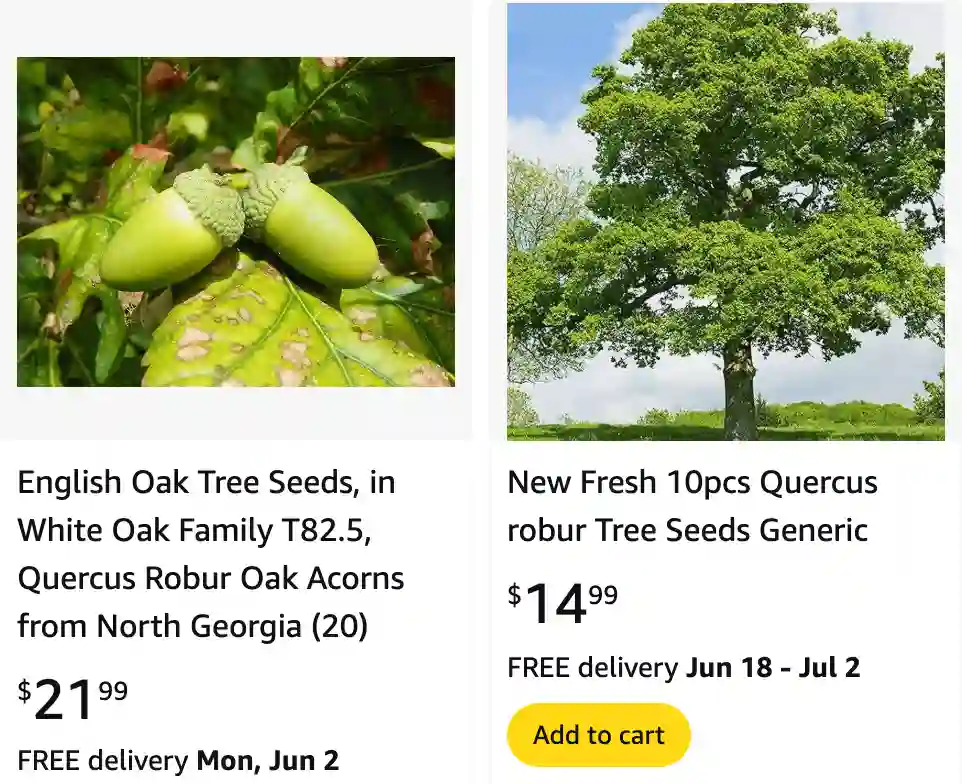
The name “pedunculate oak” refers to the long stalks (peduncles) that hold its acorns. These acorns are an essential food source for wildlife, including birds, squirrels, and deer. The wood of Quercus Robur is dense and hard, making it highly prized in construction, furniture-making, and even shipbuilding in the past. Its cultural value runs deep in European history, often symbolizing strength and endurance.
Quercus Robur vs Quercus Petraea: What’s the Difference?
A common question I encounter is the difference between Quercus Robur vs Quercus Petraea. Both are European oak species and share many similarities, but there are key distinctions.
Quercus Petraea, also called the sessile oak, differs primarily in the way its acorns attach to the tree. Unlike Quercus Robur’s long peduncles, Quercus Petraea’s acorns sit directly on the twigs without stalks, hence “sessile.” Additionally, Petraea leaves tend to have a longer, narrower shape with less pronounced lobes and smoother edges.
In my experience, identifying these trees in the wild can be tricky but rewarding. I find that observing the acorns and leaf shape closely helps. Ecologically, both trees support similar habitats, but Quercus Robur usually favors richer, heavier soils, while Quercus Petraea thrives on drier, more acidic ground.
How to Identify Quercus Robur?
Identification is a question I get often from fellow nature enthusiasts. Beyond the acorn stalks, Quercus Robur’s leaves are distinctive. They are rounded with deep lobes and have a wavy edge. The leaf stalks are quite long compared to the sessile oak’s short ones.
Another point I’ve noticed is the bark texture. Quercus Robur’s bark is rough and deeply fissured as the tree matures, giving it a rugged appearance. Young trees have smoother bark but develop these deep ridges over time.
During autumn, the golden-brown leaves create a beautiful display, and the acorns start to mature, which is a great time to confirm identification.
What is the Ecological Importance of Quercus Robur?
From my observations, Quercus Robur is an ecological cornerstone in many European forests. Its longevity and size create microhabitats for countless species. Mosses, lichens, insects, fungi, and birds depend on these trees for survival.
For example, I’ve seen woodpeckers nesting in the cavities of old Quercus Robur trees. The fallen leaves enrich the soil, supporting a rich understory of plants. The acorns are a vital food source for mammals like wild boar and squirrels, which in turn helps disperse the seeds.
This tree’s deep root system stabilizes soil and prevents erosion, making it crucial in maintaining healthy ecosystems.
What Are the Growing Conditions for Quercus Robur?
When people ask me about planting Quercus Robur, I emphasize its preference for temperate climates with moderate rainfall. It thrives best in fertile, well-drained soils but is quite adaptable.
From personal experience, young Quercus Robur saplings benefit from protection against grazing animals and competition from other plants. Once established, the tree becomes very resilient to drought and pollution, which is why it’s often found in both rural and urban settings.
Quercus Robur in Landscaping and Wood Use
Many ask about its use beyond the wild. I’ve seen Quercus Robur used extensively in parks and large gardens because of its impressive stature and shade. Its dense wood is also highly sought after. I recall working with oak timber from Quercus Robur for furniture making; it’s heavy but finishes beautifully.
The tree’s longevity means it often symbolizes permanence and tradition in landscape design.
Common Pests and Diseases Affecting Quercus Robur
A practical question I get involves threats to the tree’s health. Quercus Robur can be vulnerable to pests like oak processionary moth caterpillars and diseases such as powdery mildew and sudden oak death.
From my hands-on experience, regular monitoring and maintaining tree health through good cultural practices help mitigate these risks. Ensuring the tree isn’t stressed by drought or soil compaction supports its natural defenses.
Final Thoughts
Quercus Robur is more than just a tree to me; it’s a symbol of natural resilience and a living history. Whether you’re curious about what is Quercus Robur, the subtle differences between it and Quercus Petraea, or its role in our ecosystems, this oak is worth knowing and protecting.
Its majestic presence continues to inspire me, reminding me of the deep connections between nature and our lives.

If i die, water my plants!