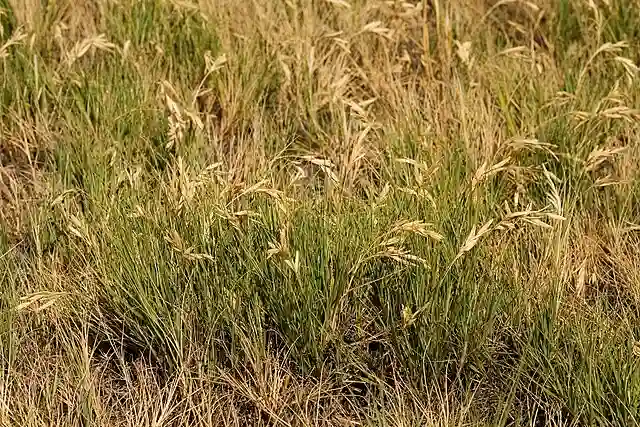
I’ve grown a lot of grasses in my garden—from Fountain Grass to Blue Grama—but Ruby Grass (Melinis Nerviglumis) stands out for its delicate beauty and resilience. With its shimmering pink seed heads and drought-tolerant habit, it’s one of my favorite ornamental grasses. In this guide, I’ll answer the most common questions I get about Ruby Grass, from growth habits to comparisons with other grasses.
What Is Ruby Grass (Melinis Nerviglumis)?
Ruby Grass, or Melinis Nerviglumis, is a warm-season perennial grass native to southern Africa. I love it because it grows in tidy clumps and puts out rosy-pink inflorescences that shimmer in the sun. It’s classified in the Poaceae family, and though it’s often treated as an annual in colder zones, it acts as a perennial in warmer climates (USDA zones 8-11).
The flowers usually appear in mid-to-late summer and are held above the fine blue-green foliage, which adds textural contrast. I often use Ruby Grass in xeriscaping and prairie-style gardens where color and low maintenance are key.
Is Ruby Grass Drought-Tolerant?
Yes, and that’s one of the top reasons I keep planting it. Once established, Ruby Grass handles dry spells like a champ. I’ve grown it in areas with no supplemental water after planting, and it thrived next to Blue Fescue, Muhlenbergia, and Pennisetum. However, during extreme heat or long droughts, it may bloom less unless given an occasional deep watering.
How Does Ruby Grass Compare to Pink Muhly Grass?
I often get asked this one—Melinis Nerviglumis vs Muhlenbergia Capillaris.
Here’s how I see it:
- Size: Ruby Grass grows to about 12–20 inches tall. Pink Muhly can reach 3–4 feet.
- Bloom Time: Ruby Grass blooms earlier (mid-summer), while Pink Muhly shows off in fall.
- Color: Ruby Grass has a rosy pink to silvery pink hue; Muhly Grass leans more magenta.
- Hardiness: Muhly is hardier (zone 6+), while Ruby Grass is better suited to zones 8–11.
If you need something shorter with earlier color, Ruby Grass is my go-to. But for dramatic late-season height, I’ll use Muhly.
Can Ruby Grass Grow in Containers?
Absolutely. I’ve had great success growing Ruby Grass in large containers. Its clumping habit means it stays neat and doesn’t outgrow its pot quickly. Just make sure to use well-draining soil—I usually mix in perlite or coarse sand. Place the pot in full sun, water deeply when dry, and you’ll have a standout plant that moves gracefully in the wind.
Does Ruby Grass Attract Pollinators?
Yes, and more than I expected. The fluffy seed heads attract butterflies, native bees, and even the occasional finch. In my pollinator garden, it sits well alongside Echinacea, Lavender, and Salvia, contributing not just color but ecological value.
How Do I Care for Ruby Grass?
Caring for Ruby Grass is easy. Here’s my basic method:
- Light: Full sun. The more sun, the more color.
- Soil: Well-drained and not overly fertile. Avoid soggy spots.
- Water: Water regularly until established. After that, minimal watering.
- Fertilizer: I don’t feed it much. A light compost mulch in spring does the job.
- Pruning: I cut it back in late winter or early spring. New growth pushes up fast.
I avoid overwatering and overfeeding—Ruby Grass thrives on neglect and sunlight.
Is Ruby Grass Invasive?
Not in my experience. While it self-seeds modestly in ideal conditions, I’ve never had it overrun a bed. Compared to grasses like Miscanthus Sinensis, it’s much more controlled. I deadhead spent flowers if I don’t want volunteers.
What Are Good Companion Plants?
Here’s what I like pairing it with:
- Gaura Lindheimeri (for airy contrast)
- Salvia Greggii (heat-tolerant and colorful)
- Sedum ‘Autumn Joy’
- Echinacea Purpurea
- Lavandula Angustifolia
Its soft texture complements upright, bold perennials. I’ve also tucked it between rock gardens and dry stream beds with good success.
Can I Grow Ruby Grass From Seed?
Yes, and I have. The seeds germinate fast under warm temperatures. Here’s what I do:
- Start indoors in late winter using a light seed mix.
- Keep soil around 70°F–75°F.
- Lightly press seeds onto the soil—don’t bury too deep.
- Transplant seedlings when they’re 3–4 inches tall.
Direct sowing also works in zones with warm spring soil.
Final Thoughts on Ruby Grass
Melinis Nerviglumis brings elegance, softness, and color without fuss. Whether you’re designing a drought-tolerant landscape, planting wildlife-friendly borders, or looking for something unique to edge a path, Ruby Grass delivers. It fits in native gardens, Mediterranean plantings, and even modern minimalist beds.

If i die, water my plants!