Hi, I’m Ferb Vu, and today I want to share what I’ve learned about Rumex Crispus—a plant that often goes unnoticed but deserves a closer look. Many people ask me, “What is Rumex Crispus?” and “What is Rumex Crispus used for?” So, I decided to put together a clear, straightforward guide to answer these questions and more.
What Is Rumex Crispus?
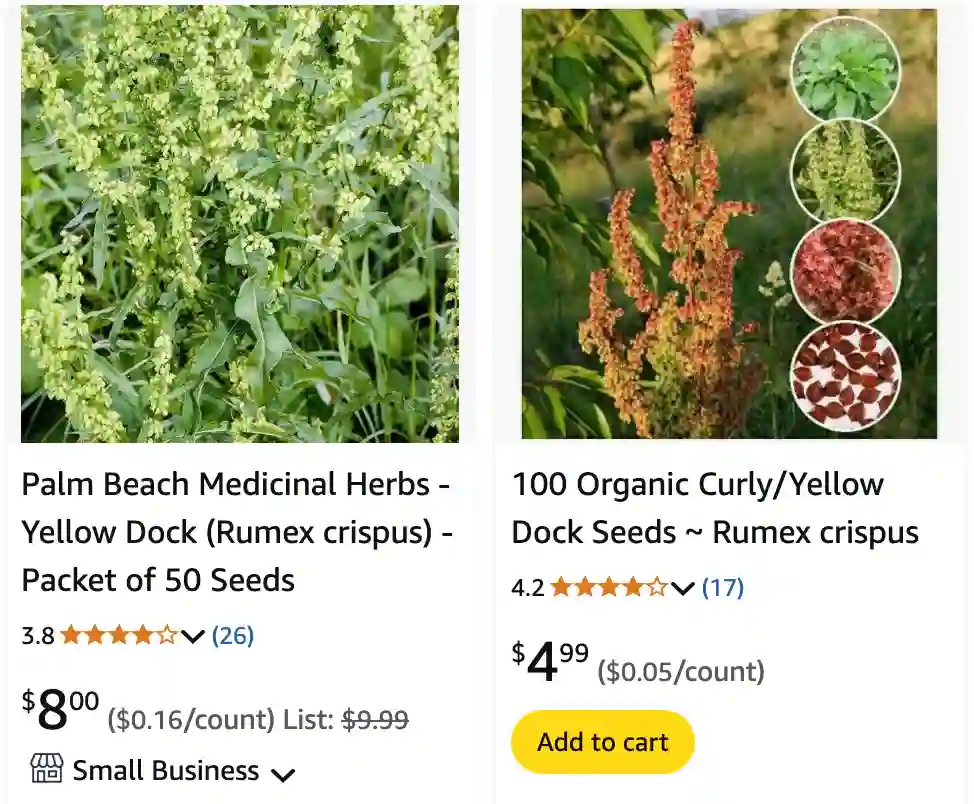
Rumex Crispus, commonly known as curly dock or yellow dock, is a perennial herb that grows widely in temperate regions. You might see it along roadsides, in fields, or even in your backyard. The plant is recognizable by its tall stems, wavy-edged leaves, and dense clusters of small reddish-brown seeds.
It belongs to the Polygonaceae family, which also includes buckwheat and sorrel. What makes Rumex Crispus stand out is its resilience and ability to thrive in poor soil, which is why it often appears as a wild weed.
What Is Rumex Crispus Used For?
This is one of the most common questions I get. Traditionally, Rumex Crispus has been valued for its medicinal properties. The roots, in particular, have been used for centuries in herbal medicine.
Detox and Digestive Health: Yellow dock root is famous as a natural blood purifier. It’s said to support liver function and help eliminate toxins from the body. Many herbalists use it to improve digestion and relieve constipation because of its mild laxative effect.
Skin Conditions: I’ve also read that Rumex Crispus can help with skin ailments like eczema, psoriasis, and acne. Applying extracts or poultices made from the plant may soothe inflammation and promote healing, though scientific evidence is limited.
Iron Supplement: The root contains iron and other minerals, making it a popular natural remedy for anemia or iron deficiency. I find this fascinating because it combines nutritional value with therapeutic benefits.
How to Identify Rumex Crispus
Knowing how to identify Rumex Crispus is important, especially if you want to harvest it safely. The plant has large, curly leaves with prominent veins and wavy edges—the “crispus” part refers to this crinkled appearance. The stems are usually reddish, and the flowers form dense clusters in late summer.
If you want to use the plant medicinally, the root is the part you’ll want to collect. It’s thick, yellowish on the inside, and has a tough texture. I recommend harvesting roots in the fall when nutrient concentration is highest.
Is Rumex Crispus Edible?
Yes, but with caution. The young leaves can be eaten raw or cooked like spinach, although they have a slightly sour taste due to their oxalic acid content. Because of oxalates, I wouldn’t recommend consuming large amounts, especially if you have kidney issues.
The roots are generally not eaten as food but processed for medicinal teas, tinctures, or capsules.
Are There Risks or Side Effects?
Rumex Crispus is safe in moderate doses, but high consumption might cause stomach upset or interfere with mineral absorption because of its oxalate content. Pregnant or breastfeeding women should avoid it unless consulting a healthcare professional.
Also, because it has mild laxative effects, it’s best not to overuse it to prevent dehydration or electrolyte imbalance.
How Can I Use Rumex Crispus?
If you want to try Rumex Crispus for its health benefits, here are common ways:
- Tea: Boil dried root pieces in water for 10-15 minutes. Drinking this tea may aid digestion and support liver detox.
- Tincture: Alcohol-based extracts are available for stronger doses.
- Poultice: Crushing fresh leaves or root can create a topical application for skin issues.
- Supplement: Capsules made from powdered root are widely sold in health stores.
What About Cultivation and Control?
I’ve seen many people wondering if they can grow Rumex Crispus intentionally. It’s quite easy to cultivate because it’s hardy and doesn’t require much care. However, because it can spread aggressively, some gardeners consider it a weed and prefer to control it.
If you want to keep it in check, remove flower heads before seed dispersal, and avoid letting it grow unchecked in your garden beds.
Why Is Rumex Crispus Important?
I think Rumex Crispus deserves more respect because it’s more than just a weed. It has a history of use in traditional herbal medicine, provides ecological benefits like soil stabilization, and offers nutrients that can support health. Plus, it connects us with traditional plant knowledge that’s often overlooked.

If i die, water my plants!