When I first discovered Sedum Acre, I was drawn to its hardy nature and vibrant yellow flowers. It’s a fascinating succulent that often catches the eye in rock gardens, green roofs, and ground covers. Over time, I’ve learned a lot about this plant—especially about its growth habits and whether it might be invasive. So today, I want to share some of the most frequently asked questions about Sedum Acre and give you my personal take on this resilient ground cover.
What Is Sedum Acre?
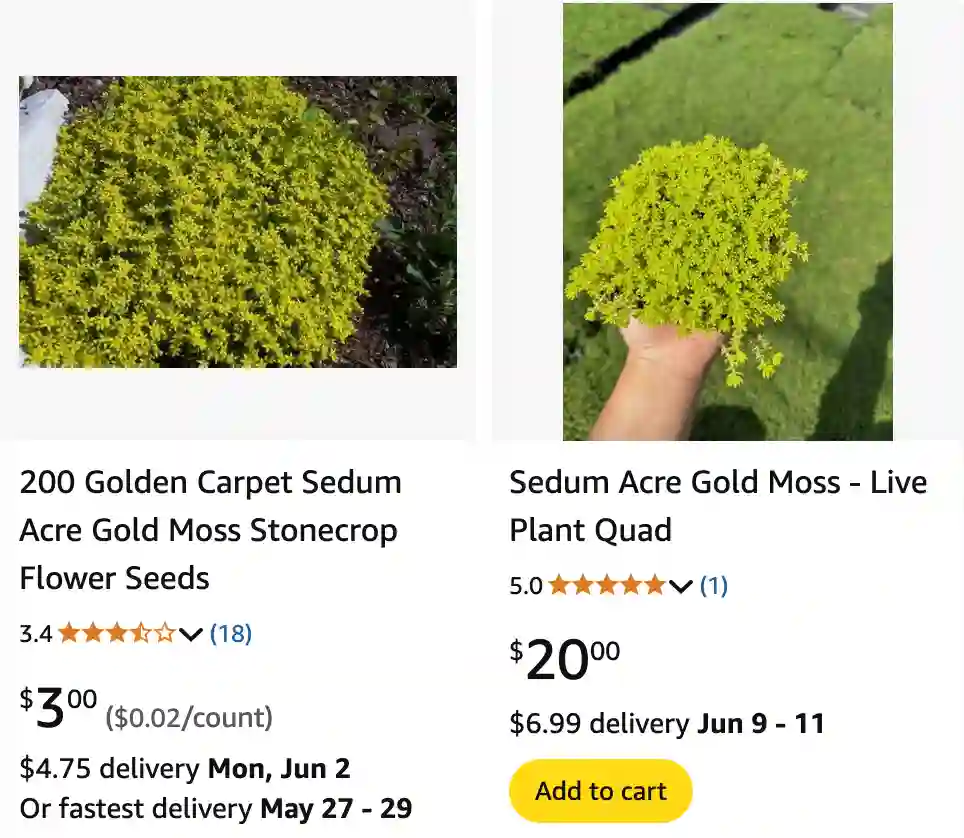
Sedum Acre, also known as goldmoss stonecrop or biting stonecrop, is a low-growing succulent from the Crassulaceae family. It’s native to Europe and parts of Asia but has found its way to gardens worldwide because of its drought tolerance and bright yellow star-shaped flowers. I love using it as a ground cover in sunny spots because it thrives in poor soil and requires minimal care.
Is Sedum Acre Invasive?
This is one of the most common questions I get asked. People want to know if Sedum Acre will take over their garden or outcompete native plants. In my experience, Sedum Acre can be invasive in certain climates, particularly in regions with mild winters and dry summers. It spreads through creeping stems and rooting nodes, which means it can quickly cover large areas if left unchecked.
That said, its invasiveness depends a lot on the environment. In colder climates, it’s less aggressive. In my garden, I keep a close eye on its spread and trim it regularly to prevent it from encroaching on other plants. If you want to plant Sedum Acre, make sure you consider your local ecosystem and monitor its growth to avoid potential issues.
How Do You Care for Sedum Acre?
Sedum Acre is incredibly easy to care for. It thrives in full sun but tolerates partial shade. The key is well-draining soil—this plant hates sitting in wet soil and can develop root rot if overwatered. I usually plant mine in rocky or sandy soil where water drains quickly.
Watering should be infrequent. I water my Sedum Acre only when the soil feels completely dry, typically once every two weeks in summer and less during cooler months. Fertilizer? It’s not necessary. Sedum Acre is perfectly happy with minimal nutrients, which is part of why it’s great for tough landscaping spots.
Can Sedum Acre Survive in Cold Winters?
Yes! One of the reasons I love Sedum Acre is its hardiness. It can survive USDA zones 3 through 9, meaning it withstands cold winters that dip well below freezing. Its succulent leaves store water, helping it endure dry spells and frost alike.
However, if you’re in a zone colder than 3, Sedum Acre might not survive harsh winter conditions. Mulching can help protect the plant in borderline zones by insulating its roots.
What Are the Benefits of Using Sedum Acre in Landscaping?
Sedum Acre is a fantastic choice for several reasons:
- Erosion control: Its dense mat of roots holds soil in place on slopes.
- Drought tolerance: Ideal for xeriscaping or areas with water restrictions.
- Low maintenance: It requires almost no upkeep once established.
- Aesthetic appeal: The bright yellow flowers create a cheerful ground cover in spring and summer.
- Habitat value: Bees and other pollinators love its flowers.
In my own landscape, I use Sedum Acre on roof gardens and rock walls where other plants struggle. It adds color and texture without demanding much water or care.
Are There Any Concerns With Sedum Acre?
Aside from its potential invasiveness, one thing to watch out for is that Sedum Acre contains alkaloids that can be mildly toxic if ingested in large quantities. I always advise keeping pets and small children away from it to avoid accidental ingestion.
Also, the plant can be somewhat brittle and might lose leaves if stepped on. So, it’s best used in areas where foot traffic is limited.
How Does Sedum Acre Compare to Other Sedums?
Compared to other Sedum species, Sedum Acre is one of the more aggressive growers. While Sedum Spurium or Sedum Album might be better suited for formal garden beds, Sedum Acre excels in wild or naturalized settings where it can spread freely.
I’ve noticed that Sedum Acre’s bright yellow flowers are more vibrant and abundant than some other Sedums, which tend to have paler blooms.
Final Thoughts
If you’re considering Sedum Acre for your garden, weigh its pros and cons carefully. It’s a tough, drought-resistant plant that offers great color and ground cover, but it does require monitoring to keep its spread in check. From my experience, it’s best suited for gardeners who want a low-maintenance succulent that can handle poor soil and sun without much fuss.

If i die, water my plants!