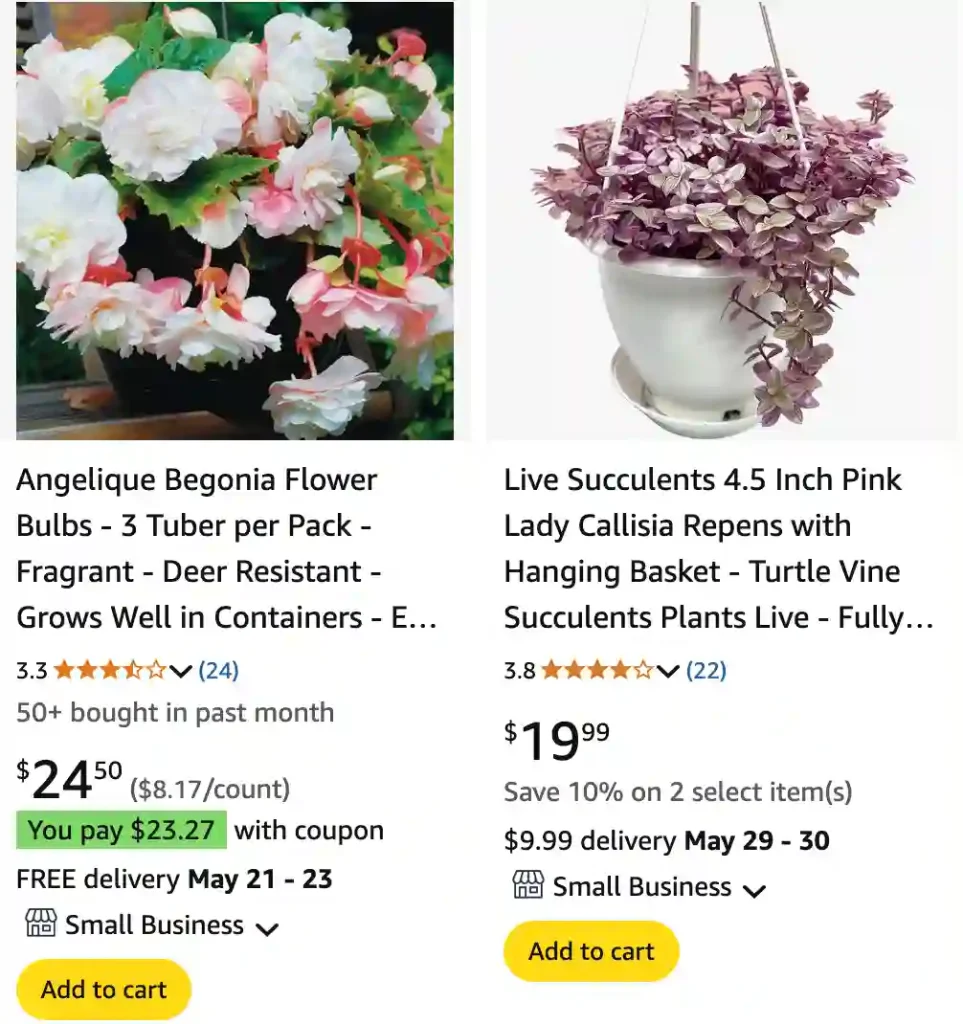
I’ve spent years experimenting with plants in every corner of my garden, including those tricky shady spots. Hanging baskets in low-light areas can still thrive beautifully—if you pick the right plants. Here’s my personal guide to Shade Loving Plants for Hanging Baskets, based on what’s worked for me.
What Are the Best Shade Loving Plants for Hanging Baskets?
When I think about the best plants for this purpose, I always go back to a few tried-and-true options:
- Fuchsia – The delicate, dangling flowers bloom like tiny ballerinas. They adore partial shade and moist soil.
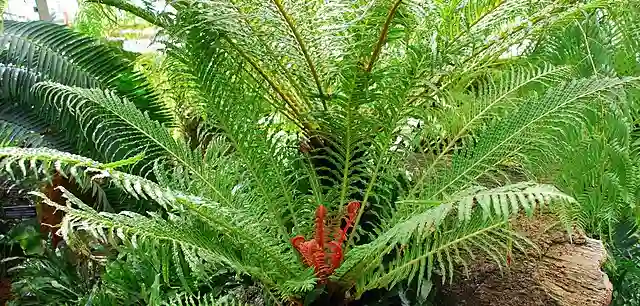
- Boston Fern (Nephrolepis exaltata) – Perfect for that soft, cascading look. It thrives in indirect light and adds a jungle vibe.
- English Ivy (Hedera helix) – Classic and elegant. Its trailing vines spill over baskets, making any shady nook feel lush.
- Begonia (especially Rex and Tuberous types) – These add color even without direct sun. The foliage alone is art.
- Spider Plant (Chlorophytum comosum) – It handles shade better than most and sends out baby “spiders” like streamers.
Each of these plants tolerates low light, stays compact, and cascades beautifully. That’s exactly what I want in a hanging basket.
Can You Hang Shade Plants Indoors Too?
Absolutely. I hang my shade lovers indoors near north-facing windows, or even in bathrooms with filtered light and high humidity. Indoor plant care is all about consistency. I use coconut coir liners, allow good drainage, and mist regularly (especially for ferns and ivy).
The best indoor shade-loving hanging plants I’ve had luck with are:
- Pothos (Epipremnum aureum) – Nearly unkillable.
- Philodendron hederaceum – Especially the ‘Brasil’ and ‘Micans’ cultivars.
- Peperomia – Compact, quirky foliage that likes filtered light.
How Do Shade Hanging Plants Compare to Sun-Loving Ones?
Great question. I’ve grown both, and here’s the difference I’ve found:
| Feature | Shade Plants | Sun-Loving Plants |
|---|---|---|
| Watering Needs | More frequent due to humidity retention | Less frequent, soil dries faster |
| Leaf Color | Deep green, variegated | Often lighter, prone to sunburn |
| Flowering Potential | Moderate (Fuchsia, Begonias) | Higher (Petunias, Geraniums) |
| Maintenance Level | Generally lower | More trimming and deadheading needed |
| Basket Longevity | Longer in cooler temps | May fade or crisp in strong summer sun |
If you’re in a hot zone or have a shaded patio, shade plants are the way to go for baskets that last and last.
What Hanging Plants Bloom in the Shade?
This one surprised me too. I thought shade meant no flowers. Turns out, several plants still bloom without full sun:
- Impatiens – Especially the New Guinea types. Bright colors, non-stop bloomers.
- Begonia – As mentioned, their flowers are vibrant and frequent.
- Fuchsia – By far my favorite for baskets. They bloom from late spring to frost.
The key is to give them just enough light—not deep shade, but dappled morning sun or bright indirect light. I feed mine monthly with a diluted liquid fertilizer to keep them blooming.
What Are the Best Trailing Plants for Shady Baskets?
I love trailing plants. They give hanging baskets that overflowing, romantic look. Here are my shade-tolerant picks:
- Creeping Jenny (Lysimachia nummularia ‘Aurea’) – Chartreuse foliage and low-growing vines.
- Sweet Potato Vine (Ipomoea batatas) – Look for the chartreuse or purple-leaf varieties. Thrives in partial shade.
- English Ivy – Classic. It grows steadily downward, doesn’t mind filtered light, and looks formal or wild depending on how you style it.
Combining upright bloomers with trailers gives a balanced, layered effect.
Can I Mix Different Shade Plants in One Basket?
I do this all the time. I follow the “thriller, filler, spiller” design rule:
- Thriller: Something with height or focal color (like Tuberous Begonia).
- Filler: A plant that rounds out the body (like Peperomia or Ferns).
- Spiller: A cascading plant to trail over the edges (like Ivy or Creeping Jenny).
Just make sure they all have similar water, soil, and light needs. Otherwise, one will thrive while the others flop.
Do Shade Plants Need Less Fertilizer?
Not necessarily less—just different. Because they grow slower, I use a half-strength, balanced fertilizer (like 10-10-10) every 4–6 weeks. Over-fertilizing can burn shade plants. I learned that the hard way with a batch of scorched Ferns.
Organic options like compost tea or diluted fish emulsion have worked best for me. Gentle but effective.
My Final Thoughts on Shade Loving Hanging Plants
People often overlook shady areas as dead space. But for me, they’re an opportunity. I’ve turned dim patios and porches into green retreats filled with draping Spider Plants, vibrant Begonias, and feathery Ferns. Shade doesn’t mean lifeless—it just means thoughtful.
Stick with plants that match your space. Use well-draining soil. Water regularly but don’t drown them. And above all—enjoy creating your own shady oasis.

If i die, water my plants!