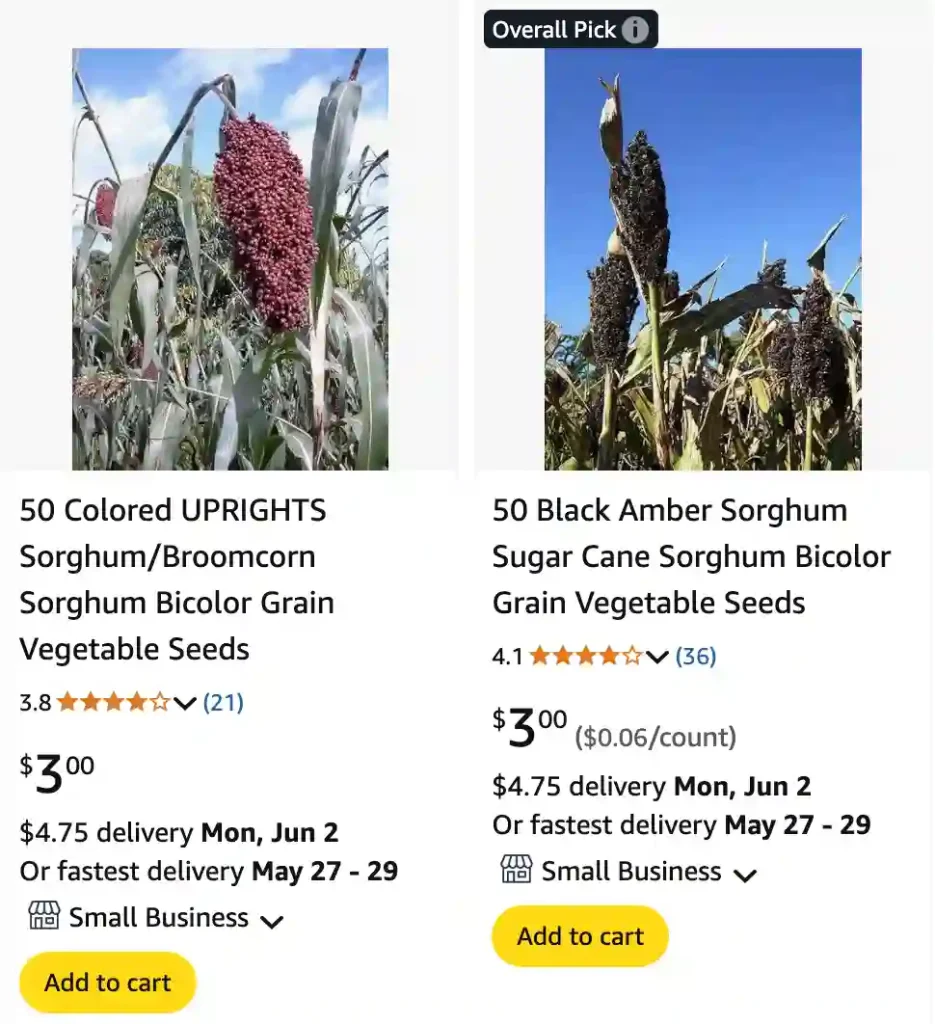
Hi, I’m Ferb Vu, and today I want to share everything I’ve learned about Sorghum Bicolor — a fascinating and versatile crop that’s worth knowing more about. I’ve spent quite some time researching and working with this plant, and I’ll answer common questions and comparisons based on my personal experience. If you’re curious about Sorghum Bicolor, how it stacks up against other plants, or what makes it special, this FAQ guide is for you.
What Is Sorghum Bicolor?
Sorghum Bicolor is a type of grass widely cultivated for food, fodder, and biofuel. It belongs to the Poaceae family, the same family as maize and sugarcane. It’s native to Africa but is now grown worldwide, especially in semi-arid regions due to its drought tolerance.
Personally, I appreciate Sorghum Bicolor because it’s a low-maintenance plant that thrives where many other crops struggle. Its resilience makes it invaluable for food security in hot, dry climates.
How Does Sorghum Bicolor Compare to Corn?
People often ask me how Sorghum Bicolor stacks up against corn. Both are staple grains, but there are key differences:
- Drought Tolerance: Sorghum Bicolor handles drought better than corn. I’ve seen fields of sorghum remain healthy while corn wilts under the same dry conditions.
- Nutritional Content: Sorghum grains are rich in fiber, antioxidants, and proteins. They’re gluten-free, which makes them a good alternative for people with gluten intolerance.
- Growth Cycle: Sorghum usually matures faster and can be harvested earlier than corn in certain climates.
- Uses: Corn is often used fresh, dried, or processed into sweeteners and starch. Sorghum Bicolor is versatile — used for grain, syrup, fodder, and even biofuel.
In my experience, if you want a crop that can withstand harsher climates and still provide solid yield, Sorghum Bicolor is a smart choice.
What Are the Main Uses of Sorghum Bicolor?
Sorghum Bicolor is incredibly versatile. Here are some uses I find most interesting:
- Food: Sorghum grains can be cooked like rice or ground into flour. In many cultures, sorghum is used for porridge, flatbreads, and even alcoholic beverages.
- Animal Feed: The stalks and grains serve as excellent fodder for livestock.
- Biofuel: I’ve read that sorghum can be used to produce ethanol, making it a renewable energy source.
- Industrial: Sorghum fiber is sometimes used for paper and packaging materials.
I find it impressive that one plant can serve so many purposes, making it a sustainable option for farmers worldwide.
Is Sorghum Bicolor Gluten-Free?
Yes! This is a big plus in my book. Sorghum Bicolor is naturally gluten-free, unlike wheat, barley, and rye. That makes it a safe grain for people with celiac disease or gluten sensitivity.
I’ve personally tried cooking with sorghum flour for baking, and while it behaves a little differently than wheat flour, it works well in pancakes, breads, and muffins. It’s an excellent gluten-free option with good nutritional value.
How Does Sorghum Bicolor Grow? What Are Its Climate Needs?
Sorghum Bicolor thrives in warm, dry conditions, which is why it’s popular in arid and semi-arid regions. It grows best in temperatures between 77°F and 86°F (25°C to 30°C).
From my observations, sorghum requires:
- Well-drained soils: It doesn’t like waterlogged roots.
- Full sunlight: Like most grasses, it needs plenty of sun.
- Moderate rainfall: Though drought-tolerant, some rain is needed during early growth stages.
Compared to other cereals, sorghum’s drought resistance stands out. I’ve seen it succeed in places where wheat or rice would fail without irrigation.
How Does Sorghum Bicolor Compare to Millet?
Millet is another drought-tolerant grain, often compared to sorghum. Here’s what I’ve learned:
- Nutritional Profile: Both grains are nutritious, but sorghum typically has higher protein content.
- Plant Size: Sorghum grows taller and has larger seeds than millet.
- Uses: Millet is often consumed as a whole grain, while sorghum’s uses extend further into fodder and biofuel.
- Growing Conditions: Both tolerate dry climates, but millet can handle poorer soils better.
In my experience, millet is a good quick-growing grain for marginal lands, but sorghum offers more diverse applications and higher biomass yield.
Can Sorghum Bicolor Be Used for Sustainable Farming?
Absolutely. From my point of view, Sorghum Bicolor fits well into sustainable farming systems for several reasons:
- Low Water Requirement: It reduces irrigation needs.
- Soil Health: Sorghum’s root system helps prevent soil erosion.
- Crop Rotation: It can be rotated with legumes or other crops to improve soil nitrogen levels.
- Pest Resistance: Sorghum is less prone to pests and diseases, reducing pesticide use.
I’ve seen small farms benefit from including sorghum in their crop mix, improving overall resilience and reducing environmental impact.
What Are the Challenges of Growing Sorghum Bicolor?
No plant is perfect. From my experience and research, here are some challenges:
- Bird Damage: Birds love sorghum grains, so farmers often need to protect crops.
- Weed Competition: Sorghum can be sensitive to weeds early on.
- Harvesting: The tough stalks can make harvesting more labor-intensive.
- Market Demand: In some regions, sorghum has less demand compared to more popular grains like wheat or rice.
Despite these hurdles, I find that sorghum’s benefits often outweigh its challenges, especially in tough climates.
How Does Sorghum Bicolor Impact Food Security?
This is where sorghum really shines. In many drought-prone areas, it’s a reliable staple crop that feeds millions. It offers a buffer against famine when other crops fail.
Personally, I think investing in sorghum research and cultivation can make a real difference in global food security, especially as climate change impacts agriculture worldwide.
Final Thoughts
Sorghum Bicolor is more than just a grain — it’s a resilient, versatile, and sustainable crop. Whether you’re a farmer facing dry conditions or a cook exploring gluten-free grains, sorghum offers great potential. I hope my answers help you understand this amazing plant better and maybe inspire you to give it a try.

If i die, water my plants!