Hi, I’m Ferb Vu. Today, I want to share everything I’ve learned about Sporobolus Heterolepis, a fascinating grass species often overlooked but highly valuable in many landscaping and ecological contexts. Through my personal experience with this plant and comparisons to others, I hope to answer common questions and provide clear, straightforward guidance. Let’s dive right in.
What Is Sporobolus Heterolepis?
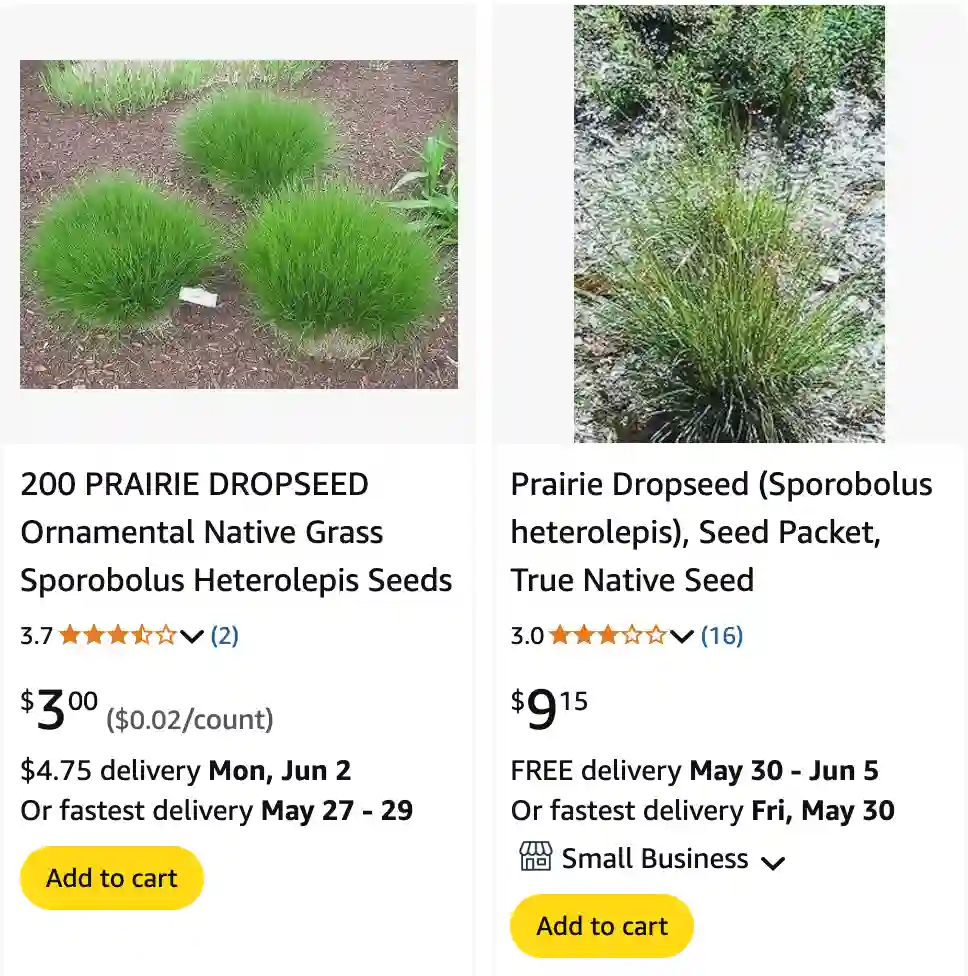
Sporobolus Heterolepis, commonly known as Prairie Dropseed, is a native warm-season grass in North America. It’s prized for its fine-textured foliage and airy seed heads that create a soft, flowing appearance in gardens or natural landscapes. I’ve always appreciated how its subtle beauty adds movement and lightness, especially in prairie-style or native plant gardens.
How Does Sporobolus Heterolepis Compare to Other Native Grasses?
I’ve worked with several native grasses like Andropogon gerardii (Big Bluestem) and Schizachyrium scoparium (Little Bluestem). Sporobolus Heterolepis stands out because of its delicate leaves and tidy clump growth habit. While Big Bluestem can get quite tall and bold, Prairie Dropseed stays relatively low, around 2 to 3 feet. It’s less aggressive, which I find helpful when I want a grass that won’t dominate other plants but still offers structure.
Compared to Little Bluestem, which has a striking blue tint and rugged seed heads, Sporobolus Heterolepis feels softer and more refined. It’s excellent for adding a subtle texture contrast in a mixed planting bed.
What Are the Ideal Growing Conditions for Sporobolus Heterolepis?
From my experience, Sporobolus Heterolepis thrives best in full sun but tolerates light shade. It prefers well-drained soils and is quite drought-tolerant once established. I planted mine in a sandy loam, and it adapted quickly, needing minimal supplemental watering.
This grass is surprisingly tough. It can handle heat and dry spells better than many ornamental grasses I’ve tried. However, it’s not fond of heavy clay or constantly wet soils. If you want it to flourish, good drainage is key.
Can Sporobolus Heterolepis Be Used for Erosion Control?
Yes, I’ve used Prairie Dropseed on gentle slopes and erosion-prone areas with good results. Its deep root system stabilizes the soil without the dense matting some turfgrasses form. Plus, because it’s native, it supports local wildlife, including beneficial insects and birds.
In my opinion, it’s a great alternative to traditional turf for erosion control because it’s low-maintenance and doesn’t require regular mowing or fertilization.
How Do You Care for Sporobolus Heterolepis Throughout the Year?
I keep care simple. In late winter or early spring, I cut back the old foliage to make way for new growth. This clean-up step helps maintain the plant’s tidy appearance.
I don’t fertilize much—just a light application of a balanced, slow-release fertilizer once a year in early spring. Over-fertilizing can cause the grass to flop, losing its elegant upright form.
Also, sporadic watering during droughts helps, but it’s not demanding. In fall, I leave the seed heads as they add winter interest and provide food for birds.
Is Sporobolus Heterolepis Deer-Resistant?
In my experience, yes. Deer tend to avoid Prairie Dropseed, likely due to its fine texture and tough leaves. This is a huge plus if you garden in areas with heavy deer pressure. I’ve found it holds up better than many broad-leaved perennials that deer tend to browse.
How Does Sporobolus Heterolepis Support Local Wildlife?
One of the reasons I love this plant is its ecological value. The seeds attract birds, and the foliage provides shelter for small insects and beneficial pollinators. The open, airy seed heads make it easy for birds to forage, especially during fall and winter.
Also, native bees and butterflies use Prairie Dropseed as part of their habitat. It’s a win-win when you want a garden that’s both beautiful and wildlife-friendly.
Can Sporobolus Heterolepis Be Grown in Containers?
I’ve tried growing it in large pots and found it does okay if you use well-draining soil and avoid overwatering. Because it’s a clumping grass with moderate growth, it’s manageable in containers.
Just keep in mind container plants dry out faster, so regular watering is necessary. Also, winter protection for the pots is a must if you live in colder zones.
How Is Sporobolus Heterolepis Different from Ornamental Grasses Like Miscanthus?
Miscanthus varieties often steal the show with their tall stature and showy flower plumes, but they demand more space and maintenance. Sporobolus Heterolepis, by contrast, offers a more understated elegance with less aggressive growth and finer texture.
I appreciate Prairie Dropseed’s natural, prairie-like vibe and ability to blend in rather than dominate a garden. For low-maintenance, subtle landscaping, it’s hard to beat.
Is Sporobolus Heterolepis Suitable for Sustainable Landscaping?
Absolutely. As a native species, it fits perfectly into sustainable and xeriscape gardening. It reduces the need for irrigation, fertilizers, and pesticides.
In my practice, it helps create resilient landscapes that conserve water and support biodiversity. It’s an excellent choice if you want a green garden that’s eco-friendly and visually appealing.
What Zones Does Sporobolus Heterolepis Grow In?
From what I’ve seen, this grass grows well in USDA hardiness zones 3 through 9. It tolerates cold winters and hot summers, making it versatile for a wide range of climates.
I grow it in zone 5, where it comes back reliably each year. It’s also hardy enough for zones 3 and 4 if planted with some winter mulch for protection.
Final Thoughts on Sporobolus Heterolepis
In sum, Sporobolus Heterolepis is one of those hidden gems that combines beauty, practicality, and ecological benefits. Its fine texture, graceful seed heads, and adaptability make it a top pick in my planting palette. Whether you want a low-maintenance ornamental grass, erosion control, or a wildlife-friendly landscape, Prairie Dropseed is worth considering.

If i die, water my plants!