Unraveling the Story of Symphytum Officinale: My Journey with Comfrey
Hello, I’m Ferb Vu, and for years, I’ve been fascinated by the world of traditional herbal remedies. One plant that consistently sparks curiosity and discussion is Symphytum Officinale, commonly known as comfrey. Its history is rich, intertwined with traditional healing practices for centuries. However, it’s also a plant that demands respect and understanding due to its potent nature. Many people ask me about it, so I’ve decided to compile some of the most frequent questions and share my insights.
The allure of comfrey often lies in its historical applications, particularly for external issues. It’s a plant with a dual nature – one of purported healing and one of significant caution. My aim here is to provide a clear, balanced perspective, drawing from both traditional knowledge and modern understanding. Let’s delve into some of the most common queries I receive.
What is Symphytum Officinale?
Symphytum Officinale, or common comfrey, is a perennial herb belonging to the Boraginaceae family. Native to Europe and Asia, it has now naturalized in many parts of the world, including North America. You can often spot it in moist, grassy places, along riverbanks, and in ditches.
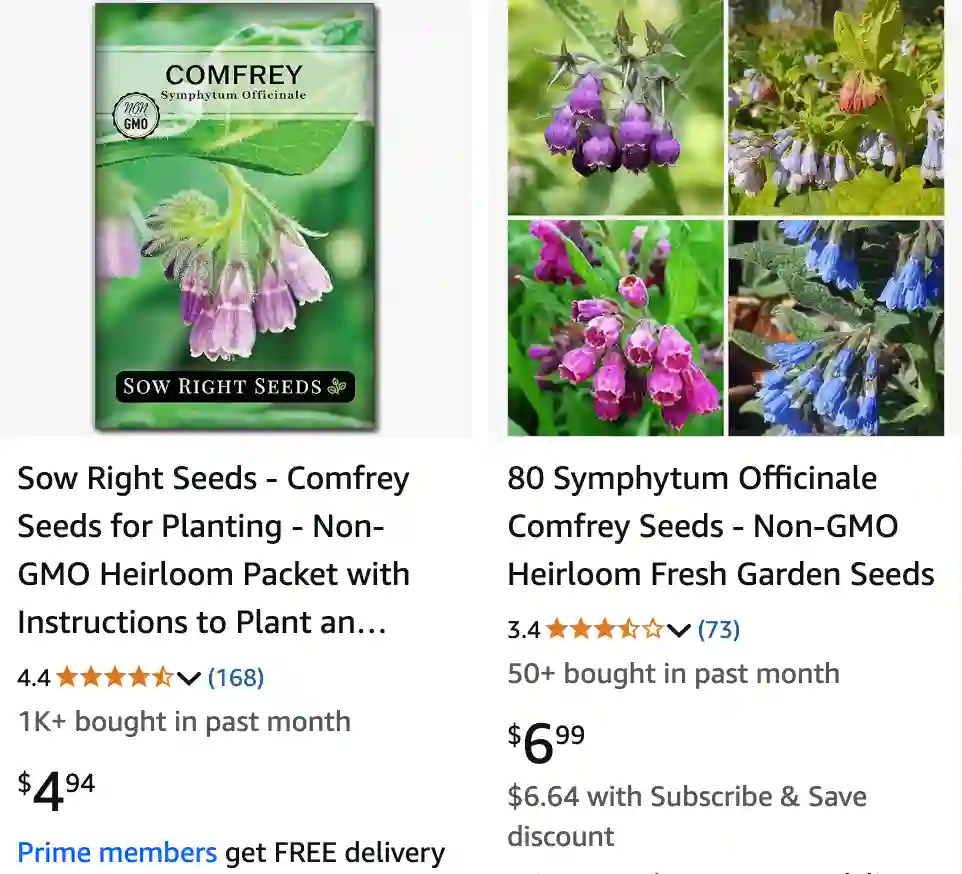
The plant itself is quite distinctive. It features large, hairy, and rather coarse leaves, which can be quite broad at the base and taper to a point. The stems are thick and also covered in hairs. Symphytum Officinale produces clusters of bell-shaped flowers that can range in color from creamy white to pink or purple, typically blooming from late spring into summer. The roots are perhaps the most talked-about part of the plant; they are thick, black on the outside, and fleshy and whitish on the inside. These roots are mucilaginous, meaning they have a slimy, gel-like consistency when crushed, a property linked to some of its traditional uses.
Historically, comfrey has earned evocative folk names like “knitbone” and “boneset.” These names offer a direct clue to its long-standing reputation in folk medicine for aiding in the healing of fractures and soothing injured tissues. The plant contains several notable compounds, including allantoin, rosmarinic acid, and tannins. Allantoin, in particular, is known for its ability to promote cell proliferation, which is why it’s often highlighted in discussions about wound healing. However, and this is crucial, Symphytum Officinale also contains pyrrolizidine alkaloids (PAs), substances that have raised significant safety concerns, especially regarding liver health.
What is Symphytum Officinale Used For?
Traditionally, the uses of Symphytum Officinale were primarily external. Poultices and ointments made from the leaves and roots were commonly applied to sprains, strains, bruises, and broken bones. The idea was that comfrey could accelerate healing, reduce swelling, and soothe pain associated with these types of injuries. Its emollient nature also led to its use for minor burns and skin irritations, helping to keep the skin moist and protected.
Some historical accounts also mention internal uses, such as teas or tinctures for issues like stomach ulcers, bronchitis, or heavy menstrual bleeding. However, this is where the conversation takes a critical turn. Modern scientific understanding has identified significant risks associated with ingesting comfrey, largely due to the presence of those pyrrolizidine alkaloids I mentioned earlier.
Today, the recognized and cautiously accepted applications for Symphytum Officinale are almost exclusively topical, and even then, with specific caveats. Comfrey-based creams and ointments are still used by some for:
- Minor sprains and strains: To help reduce inflammation and pain.
- Bruises: To potentially speed up the healing process.
- Osteoarthritis: Some studies suggest topical comfrey preparations may offer relief from joint pain associated with this condition.
- Muscle soreness: Similar to its use for sprains, it’s sometimes applied for general muscle aches.
It’s important to note that many health authorities worldwide have restricted or banned the oral use of comfrey due to safety concerns. Any consideration for its use, even topically, should be approached with thorough understanding and caution.
How to Take Symphytum Officinale?
This is a question I approach with extreme caution, and the answer is straightforward: do not take Symphytum Officinale orally (by mouth). The risk of liver damage and other serious health problems from the pyrrolizidine alkaloids present in the plant is simply too high. Regulatory bodies in many countries, including the United States (FDA), have banned or strongly advised against the internal consumption of comfrey products.
When we talk about “how to take” Symphytum Officinale in a contemporary, safety-conscious context, we are exclusively referring to topical application of commercially prepared products that are ideally low in, or free from, pyrrolizidine alkaloids. Here are some general guidelines for topical use, always keeping in mind that consulting a healthcare professional is paramount:
- Choose the Right Product: Opt for creams, ointments, or salves specifically designed for topical use. Look for products from reputable manufacturers. Some products may specify that they are made from the leaves (which generally contain lower PA concentrations than the roots) or that they are processed to reduce PA content.
- Unbroken Skin Only: Never apply comfrey preparations to broken, damaged, or open wounds. The PAs can be absorbed more readily through compromised skin, increasing systemic exposure and potential toxicity.
- Small Amounts, Short Duration: If using topical comfrey, apply a thin layer to the affected area. It is generally recommended to use it for short periods only – typically no more than 10 days at a time, and not for more than 4-6 weeks in a given year. This minimizes cumulative exposure to PAs.
- Patch Test: Before applying to a larger area, perform a patch test on a small section of skin to check for any allergic reactions or irritation.
- Avoid in Certain Populations: Comfrey should not be used by pregnant or breastfeeding women, or by children, due to the potential risks of PA toxicity. Individuals with liver disease or a history of liver problems should also avoid comfrey altogether.
Again, these are general guidelines. The most crucial step before considering any use of Symphytum Officinale is to discuss it with your doctor or a qualified healthcare provider who understands your health history and can advise on potential risks and benefits.
Understanding the Risks: Pyrrolizidine Alkaloids
I’ve mentioned pyrrolizidine alkaloids (PAs) several times, and it’s essential to understand why they are a central concern with Symphytum Officinale. PAs are naturally occurring toxins produced by various plant species, including comfrey. These compounds, particularly when ingested, can cause serious harm to the liver.
The primary concern is a condition called hepatic veno-occlusive disease (HVOD), where the small veins in the liver become blocked. This can lead to liver damage, cirrhosis, liver failure, and in severe cases, can be fatal. PAs are also considered potentially carcinogenic (cancer-causing) and genotoxic (damaging to DNA).
While the roots of Symphytum Officinale generally contain higher concentrations of PAs than the leaves, all parts of the plant can contain these harmful alkaloids. Even topical application is not entirely without risk, as PAs can be absorbed through the skin, especially if the skin is broken or if large amounts are used over extended periods. This is why limiting the duration and area of topical use is so critical. Research has also explored methods to create comfrey extracts with reduced PA content for topical products, aiming to harness potential benefits while minimizing risks.
Important Safety Precautions and Contraindications
To reiterate and expand on safety, using Symphytum Officinale requires a clear understanding of its potential dangers.
- Internal Use: Avoid completely. This cannot be stressed enough.
- Pregnancy and Breastfeeding: Contraindicated. PAs can harm the developing fetus and can be passed through breast milk.
- Children: Do not use comfrey products on or for children.
- Liver Conditions: Individuals with existing liver disease or impaired liver function should not use comfrey in any form.
- Broken or Damaged Skin: Do not apply topical comfrey to open wounds, cuts, or abrasions.
- Prolonged Use: Limit topical application to short durations as generally recommended (e.g., no more than 10 days consecutively, and not exceeding 4-6 weeks per year in total).
- Allergic Reactions: Discontinue use if any signs of skin irritation, rash, or allergic reaction occur.
- Drug Interactions: While not extensively documented, it’s wise to discuss comfrey use with your doctor if you are taking other medications, as theoretical interactions could exist, particularly with drugs affecting the liver.
The story of Symphytum Officinale is a compelling example of how traditional remedies must be viewed through the lens of modern science. While its historical reputation as “knitbone” is intriguing, the documented risks, particularly from pyrrolizidine alkaloids, mean that its use must be approached with extreme caution and a strong emphasis on safety. Always prioritize consultation with a healthcare professional before considering the use of any herbal product, including comfrey. My hope, as Ferb Vu, is that this information helps you make informed and safe choices.

If i die, water my plants!