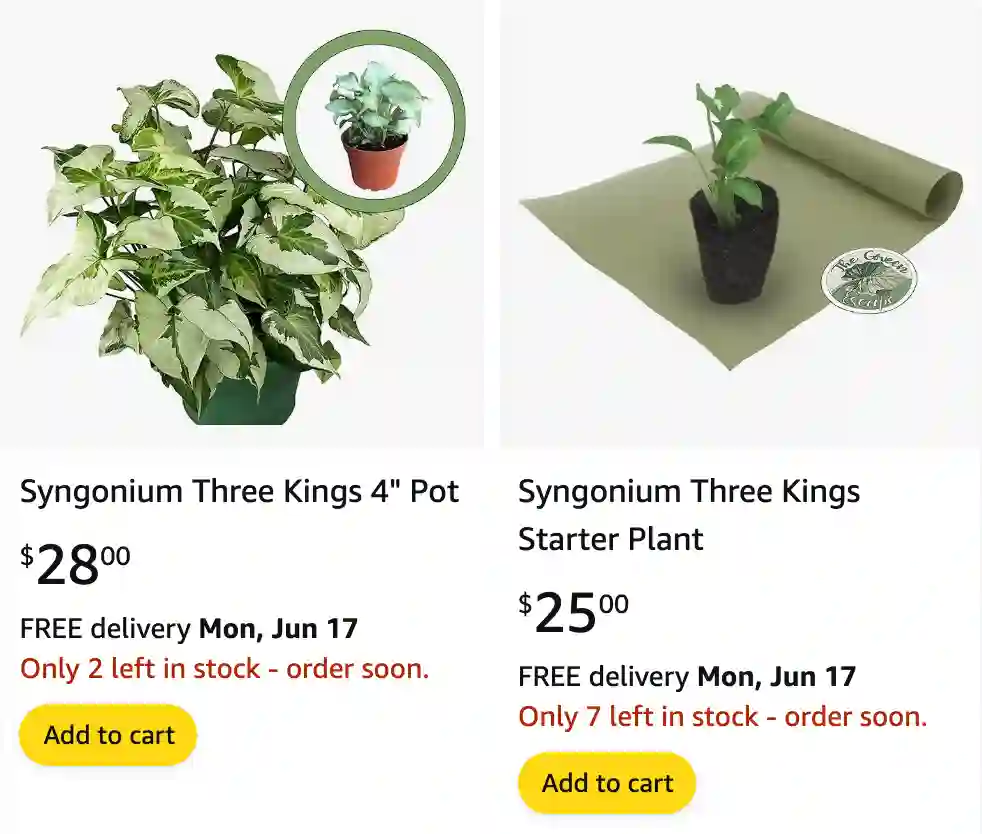
Welcome, plant enthusiasts, to an in-depth exploration of one of the most captivating aroids gracing our indoor jungles: the Syngonium podophyllum ‘Three Kings’. With its mesmerizing variegation and relatively straightforward care, this plant has quickly ascended to royalty in the houseplant kingdom. This comprehensive guide will not only delve into every aspect of its cultivation but also take you on a personal, two-year time-lapse journey, chronicling its transformation from a humble cutting to a magnificent, mature specimen. Join me as we uncover the secrets to nurturing this regal plant, ensuring it thrives and brings unparalleled beauty to your home.
Syngonium ‘Three Kings’: A Glimpse into its Majestic Origins
The Syngonium genus, commonly known as Arrowhead Plants, belongs to the Araceae family, a vast and diverse group that includes other popular houseplants like Philodendrons and Monsteras. Syngonium podophyllum, the species from which ‘Three Kings’ originates, is native to the tropical rainforests of Central and South America, stretching from Mexico down to Bolivia. In its natural habitat, it begins life as a terrestrial plant, eventually climbing trees as it matures, developing larger, multi-lobed leaves.
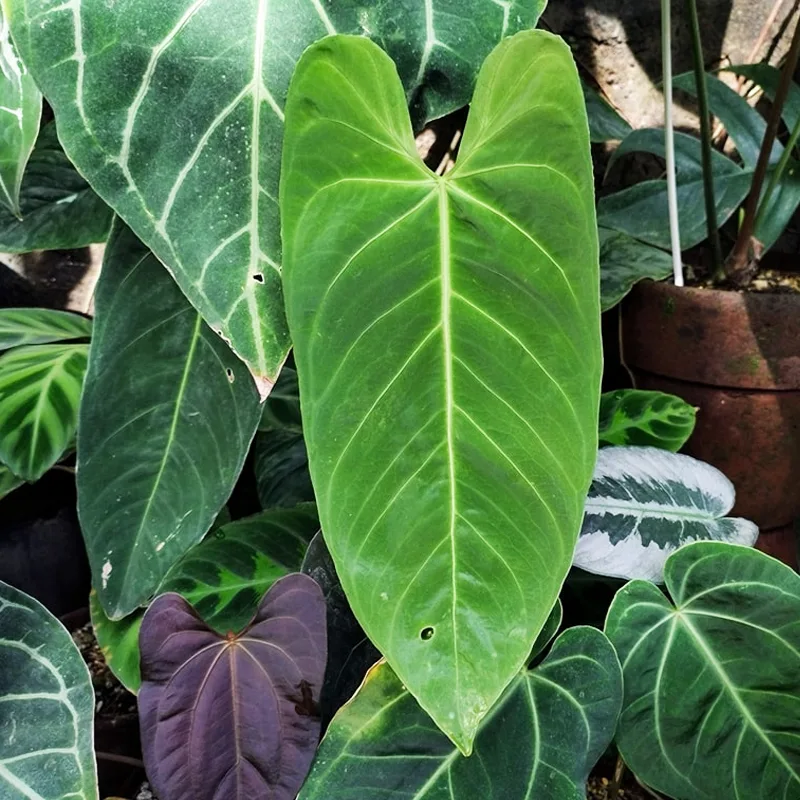
‘Three Kings’ is a cultivar, meaning it’s a cultivated variety selected for its unique aesthetic qualities. Its name hints at its most striking feature: a stunning blend of three distinct shades – deep green, lighter green, and creamy white to silvery-grey variegation. This intricate patterning, often resembling a painter’s delicate brushstrokes, makes each leaf a unique work of art. Unlike some other variegated Syngoniums where the white might be stark and blocky, ‘Three Kings’ often displays a more mottled, speckled, and diffused pattern, giving it a soft, almost ethereal appearance.
Distinctive Features of a Royal Plant
- Leaf Morphology: Young Syngonium leaves are typically arrow-shaped (sagittate). As ‘Three Kings’ matures, its leaves can transform, becoming more deeply lobed, sometimes developing three or even five distinct lobes, resembling a bird’s foot. This change in leaf shape is a fascinating aspect of its growth, indicating a healthy, maturing plant.
- Variegation: The hallmark of ‘Three Kings’ is its highly variable variegation. The creamy white or silvery-grey splashes are interspersed with various shades of green. The amount and distribution of variegation can differ significantly from leaf to leaf and even within the same plant, influenced by light levels and genetics. Some leaves might be heavily variegated, almost entirely white, while others retain more green.
- Growth Habit: Syngonium ‘Three Kings’ is a vining plant. While it can be kept bushy with regular pruning, its natural inclination is to climb. Providing a moss pole, trellis, or even allowing it to trail from a hanging basket will encourage larger leaves and more vigorous growth, mimicking its arboreal tendencies in the wild.
The Gardener’s Time-Lapse Journal: My Two-Year Journey with ‘Three Kings’
Growing plants is more than just a hobby; it’s a relationship, a journey of observation and nurturing. My experience with Syngonium ‘Three Kings’ has been particularly rewarding, a testament to its resilience and beauty. Here’s a look back at its transformation over two years, told from my perspective.
Month 1: The Humble Beginning – A Royal Cutting Takes Root
It all began with a single, unrooted cutting. I remember the excitement of receiving it – two perfect arrow-shaped leaves, already hinting at the ‘Three Kings’ variegation. My first task was to encourage rooting. I opted for water propagation, a method I find incredibly satisfying for Syngoniums. I placed the cutting in a clear glass jar filled with filtered water, ensuring the node was submerged but the leaves stayed dry. The jar sat on my brightest windowsill, away from direct, harsh sunlight.
Every few days, I’d change the water to prevent bacterial growth. Patience was key. I’d peer into the jar, hoping to see those first delicate white roots emerge. The initial weeks were slow, but by the end of the month, tiny nubs appeared at the node, a promising sign of life.
Month 3: Rooting Success and First Potting – Establishing the Throne
By the third month, my ‘Three Kings’ cutting had developed a healthy network of roots, about 2-3 inches long. It was time for its first permanent home. I prepared a well-draining aroid mix: a blend of orchid bark, perlite, and a high-quality potting mix. This chunky blend would provide the aeration and drainage essential for Syngoniums, preventing dreaded root rot.
I carefully transferred the rooted cutting into a small, 4-inch terracotta pot, ensuring the roots were gently spread out and covered. Terracotta is excellent for Syngoniums as it helps wick away excess moisture. After a thorough initial watering, I placed it back in its bright, indirect light spot. The first few days were a bit nerve-wracking, as plants often experience a slight shock after repotting. However, within a week, I noticed a tiny, curled-up new leaf emerging from the growth point – a clear sign that my ‘Three Kings’ had accepted its new kingdom and was ready to thrive.
Month 6: Embracing the Climb – Variegation Unveiled
Six months in, and my ‘Three Kings’ was no longer a mere cutting. It had put out several new leaves, each one larger and more beautifully variegated than the last. The distinct patterns of dark green, lighter green, and creamy white were becoming more pronounced, truly living up to its regal name. Its vining nature was also becoming evident; the stems were lengthening, and it was starting to lean, searching for something to climb.
This was the perfect time to introduce a support structure. I decided on a simple moss pole, as I wanted to encourage larger leaf development. Gently, I tied the main stem to the pole with soft plant ties, ensuring the aerial roots had something to cling to. This period was also when I started a very diluted feeding regimen – a balanced liquid fertilizer, once a month, during watering. The plant responded with a burst of new growth, and the variegation seemed to intensify with the increased light it was receiving from being more upright.
Year 1: Maturing Majesty – Adapting to the Seasons
By its first birthday under my care, my ‘Three Kings’ had transformed into a truly impressive specimen. It was climbing steadily up its moss pole, and the leaves were noticeably larger, some even starting to show the characteristic three-lobed shape of a mature Syngonium. Its root system was robust, and I decided it was time for a slightly larger pot – a 6-inch one this time. This repotting was less stressful, as the plant was well-established.
The biggest challenge during this year was adapting to seasonal changes. During the warmer, brighter months, it thrived, pushing out new leaves almost weekly. However, as winter approached, with shorter days and lower humidity, its growth slowed considerably. I adjusted my watering schedule, allowing the soil to dry out more between waterings, and increased ambient humidity with a pebble tray and occasional misting. I also paused fertilization during these dormant months. It taught me the importance of observing the plant’s cues and adjusting care accordingly, rather than sticking to a rigid schedule.
Year 2: Thriving Canopy and Propagation Adventures – Expanding the Royal Lineage
Now, at the two-year mark, my Syngonium ‘Three Kings’ is a magnificent, lush plant. It has reached the top of its moss pole, displaying a dense canopy of stunningly variegated leaves. The mature leaves are truly a sight to behold, with their distinct lobing and intricate patterns. It’s a focal point in my plant collection, drawing admiring glances from anyone who sees it.
This year, I felt confident enough to try propagating it myself. I took several stem cuttings, each with a few leaves and a healthy node, and placed them back into water. The rooting process was much faster this time, likely due to the maturity of the mother plant. I successfully rooted and gifted several ‘Three Kings’ cuttings to friends, sharing the joy of this beautiful plant. It’s a testament to how rewarding it is to see a plant not just survive, but truly flourish and allow you to expand its lineage. My ‘Three Kings’ continues to be a source of daily joy, a living piece of art that constantly evolves.
Comprehensive Care Guide for Syngonium ‘Three Kings’
Beyond my personal journey, understanding the fundamental care requirements is crucial for anyone hoping to cultivate a thriving Syngonium ‘Three Kings’. Here’s a detailed breakdown of everything you need to know.
1. Light Requirements: The Royal Glow
Syngonium ‘Three Kings’ thrives in bright, indirect light. This mimics its natural habitat where it grows under the canopy of larger trees.
- Ideal Placement: An east-facing window is perfect, providing gentle morning sun. A few feet back from a south or west-facing window, or behind a sheer curtain, also works well.
- Signs of Too Much Light: Scorched or bleached-looking leaves, especially the white variegated parts, which are more susceptible to burning. Variegation might also fade or become less defined.
- Signs of Too Little Light: Stunted growth, smaller leaves, leggy stems (long gaps between leaves), and a significant reduction in variegation (leaves might become almost entirely green). The plant will stretch towards the light source.
- Artificial Light: If natural light is insufficient, grow lights can supplement. Provide 12-14 hours of light daily, keeping the light source a safe distance to prevent burning.
2. Watering: The Hydration Ritual
Consistent, proper watering is vital. Syngoniums prefer their soil to be consistently moist but never soggy.
- When to Water: Allow the top 1-2 inches of soil to dry out before watering again. Stick your finger into the soil or use a moisture meter.
- How to Water: Water thoroughly until water drains from the bottom of the pot. Discard any excess water collected in the saucer to prevent root rot.
- Signs of Overwatering: Yellowing leaves (especially lower ones), soft or mushy stems, wilting despite wet soil, and a foul odor from the soil. This is often accompanied by root rot.
- Signs of Underwatering: Drooping or wilting leaves that feel crispy, slow growth, and dry, compacted soil. While resilient, prolonged underwatering can stress the plant.
- Water Quality: Use filtered water or rainwater if your tap water is heavily chlorinated or has high mineral content, as this can lead to leaf tip burn over time.
3. Humidity: A Tropical Embrace
As a tropical plant, ‘Three Kings’ appreciates high humidity, ideally 60% or higher. While it can tolerate average household humidity, optimal conditions encourage lush growth and prevent crispy leaf edges.
- How to Increase Humidity:
- Pebble Tray: Place the pot on a tray filled with pebbles and water, ensuring the bottom of the pot doesn’t sit directly in the water.
- Humidifier: A small room humidifier placed nearby is the most effective method, especially during dry winter months.
- Grouping Plants: Plants release moisture through transpiration, creating a localized humid microclimate when grouped together.
- Misting: While misting provides only a temporary humidity boost, it can help clean leaves and offer a slight, short-term benefit. Ensure good air circulation to prevent fungal issues.
4. Soil Mix: The Foundation of Growth
A well-draining, airy, and slightly acidic potting mix is crucial for Syngonium ‘Three Kings’. This prevents compaction and allows roots to breathe.
- Ideal Mix Components:
- Potting Mix (50-60%): A high-quality, peat-based or coco coir-based potting mix provides a good base.
- Perlite (20-30%): Improves drainage and aeration.
- Orchid Bark/Chunky Aroid Mix (10-20%): Adds large particles for superior drainage and air circulation around the roots.
- Charcoal (optional, 5%): Can help absorb impurities and improve drainage.
- Avoid: Heavy, dense potting soils that retain too much moisture, as this is a primary cause of root rot.
5. Fertilization: Nourishing the Royalty
Fertilize ‘Three Kings’ during its active growing season (spring and summer) to support its vigorous growth.
- Type: Use a balanced liquid fertilizer (e.g., 20-20-20 or 10-10-10) diluted to half or quarter strength.
- Frequency: Once every 2-4 weeks during the growing season.
- Dormancy: Do not fertilize during fall and winter when the plant’s growth naturally slows down. Over-fertilization can lead to nutrient burn and root damage.
- Signs of Nutrient Deficiency: Yellowing of older leaves, stunted growth, or overall pale appearance.
6. Temperature: A Warm Climate
Syngonium ‘Three Kings’ prefers warm temperatures, typical of its tropical origins.
- Ideal Range: 65-80°F (18-27°C).
- Avoid: Temperatures below 60°F (15°C), as prolonged exposure to cold can stress the plant, leading to stunted growth or leaf damage. Keep it away from cold drafts from windows or air conditioning vents.
7. Potting & Repotting: Expanding the Kingdom
Repot your ‘Three Kings’ when it becomes root-bound or when the soil quality degrades, typically every 1-2 years.
- Signs it Needs Repotting: Roots growing out of the drainage holes, water sitting on top of the soil, or stunted growth despite proper care.
- Pot Size: Move up only one pot size (e.g., from a 4-inch to a 6-inch pot). Too large a pot can lead to excess moisture retention and root rot.
- Pot Material: Terracotta pots are excellent for their breathability, but plastic pots also work well if you’re mindful of watering. Ensure the pot has drainage holes.
- How to Repot: Gently remove the plant from its old pot. Loosen any circling roots. Add a layer of fresh potting mix to the new pot, place the plant, and fill with more mix, lightly tamping it down. Water thoroughly after repotting.
8. Pruning & Training: Shaping the Crown
Pruning is essential for maintaining a bushy shape, encouraging new growth, and managing its vining habit.
- For Bushiness: Pinch back the growing tips regularly. This encourages the plant to branch out, resulting in a fuller appearance.
- For Vining/Climbing: Allow stems to lengthen and provide a moss pole or trellis. Gently guide the aerial roots onto the support. Prune any leggy or unruly stems to maintain desired shape.
- Health & Maintenance: Remove any yellow, damaged, or diseased leaves using clean, sharp scissors or pruners. This helps the plant redirect energy to healthy growth.
9. Support Structures: Aiding the Ascent
As a natural climber, ‘Three Kings’ benefits greatly from support.
- Moss Poles: Ideal for aerial roots to cling to, providing moisture and nutrients.
- Trellises: Offer a decorative way for the plant to climb.
- Stakes: Simple stakes can offer temporary support for younger plants.
- Benefits: Encourages larger leaf development, stronger stems, and a more natural, upright growth habit.
Propagation: Multiplying Your Majesty
Propagating Syngonium ‘Three Kings’ is relatively easy and a rewarding way to expand your collection or share with friends. Stem cuttings are the most common and successful method.
1. Stem Cuttings (Water Propagation)
This is my preferred method and often yields quick results.
- Steps:
- Select a Healthy Stem: Choose a healthy stem with at least 2-3 leaves and a visible node (the bump where leaves and roots emerge).
- Make the Cut: Using clean, sharp scissors or pruners, make a cut about 1/2 inch below a node. Ensure the cutting has at least one node.
- Prepare the Cutting: Remove any leaves that would be submerged in water to prevent rot.
- Place in Water: Put the cutting in a clear glass jar or vase filled with filtered water. Ensure the node is submerged.
- Location: Place in a spot with bright, indirect light.
- Maintain: Change the water every few days to keep it fresh and prevent bacterial growth.
- Rooting: Roots typically appear within 2-4 weeks. Once roots are 2-3 inches long, the cutting is ready for potting.
2. Stem Cuttings (Soil Propagation)
This method involves rooting directly in soil.
- Steps:
- Prepare Cutting: Follow steps 1-3 from water propagation. You can dip the cut end in rooting hormone powder, though it’s not strictly necessary for Syngoniums.
- Plant in Soil: Plant the cutting directly into a small pot (e.g., 4-inch) filled with a well-draining, moist potting mix (similar to the adult plant mix).
- Create Humidity: Cover the pot and cutting with a clear plastic bag or dome to create a mini-greenhouse effect, increasing humidity and aiding rooting. Ensure some air circulation to prevent mold.
- Location: Place in a warm spot with bright, indirect light.
- Maintain: Keep the soil consistently moist but not soggy. Mist the inside of the bag if it dries out.
- Rooting: Rooting can take 4-8 weeks. You’ll know it’s rooted when you feel resistance when gently tugging on the cutting or when new growth appears.
3. Air Layering (Advanced)
While less common for home growers, air layering is another viable method for larger, more mature plants.
- Steps:
- Select a Node: Choose a healthy stem with a node where you want roots to form.
- Make an Incision: Make a small, upward diagonal cut about one-third of the way through the stem, just below the node. You can insert a toothpick to keep the cut open.
- Apply Rooting Hormone: Apply rooting hormone to the cut area.
- Wrap with Moss: Wrap the incision area with moist sphagnum moss.
- Secure with Plastic: Cover the moss with plastic wrap, securing both ends tightly to retain moisture.
- Wait for Roots: Roots will form within the moss over several weeks or months.
- Cut and Pot: Once a good root ball has formed, cut the stem below the new roots and pot the new plant.
Common Problems & Solutions: Keeping the Crown Polished
Even royalty can face challenges. Being aware of potential issues allows for quick intervention and keeps your ‘Three Kings’ thriving.
1. Pests: Unwanted Intruders
Common houseplant pests can sometimes target Syngoniums.
- Spider Mites: Tiny, red or brown mites that create fine webbing on the undersides of leaves. Leaves may appear speckled or dusty.
- Solution: Increase humidity. Wipe leaves with a damp cloth. Use insecticidal soap or neem oil spray.
- Mealybugs: Small, white, cottony insects found in leaf axils and on stems. They suck plant sap, leading to stunted growth.
- Solution: Dab with a cotton swab dipped in rubbing alcohol. Use insecticidal soap or neem oil.
- Thrips: Tiny, slender insects that cause silvery stippling on leaves and distorted new growth.
- Solution: Rinse plant thoroughly. Use insecticidal soap or systemic insecticides for severe infestations.
- General Prevention: Inspect your plant regularly, especially new additions. Quarantine new plants for a few weeks. Maintain good plant hygiene.
2. Diseases: Fungal Foes
Fungal diseases are usually a result of overwatering or poor air circulation.
- Root Rot: The most common issue, caused by consistently soggy soil. Symptoms include yellowing leaves, wilting, and mushy stems.
- Solution: Unpot the plant, trim away any brown, mushy roots. Repot in fresh, well-draining soil. Adjust watering habits.
- Fungal Leaf Spots: Small, discolored spots on leaves, often with a yellow halo.
- Solution: Improve air circulation. Reduce humidity if it’s excessive. Remove affected leaves. Apply a fungicide if severe.
- Prevention: Ensure proper drainage, avoid overwatering, and provide good air circulation.
3. Environmental Issues: Stress Signals
Your plant communicates its needs through its leaves.
- Yellowing Leaves:
- Lower Leaves: Often normal aging, especially if only a few.
- Widespread Yellowing: Overwatering, nutrient deficiency, or cold stress.
- Browning Leaf Tips/Edges:
- Crispy: Low humidity, underwatering, or mineral buildup from tap water.
- Soft/Mushy: Overwatering or root rot.
- Stunted Growth/Small Leaves: Insufficient light, lack of nutrients, or root-bound.
- Loss of Variegation: Not enough light. The plant reverts to more green to maximize photosynthesis.
- Leggy Growth: Insufficient light, plant stretching to find more light.
- Solution: Identify the underlying cause (light, water, humidity, nutrients) and adjust care accordingly.
Syngonium ‘Three Kings’ vs. Its Cousins: A Royal Lineage Comparison
The Syngonium genus boasts an incredible array of cultivars, each with its unique charm. ‘Three Kings’ often gets compared to other variegated varieties. Understanding the differences can help you appreciate its distinct beauty and make informed choices for your collection.
Syngonium ‘Three Kings’ vs. Syngonium ‘Albo-Variegatum’
This is perhaps the most common comparison, as both feature white variegation.
- Syngonium ‘Three Kings’:
- Variegation: Typically displays a more mottled, speckled, and diffused pattern of creamy white to silvery-grey, often with varying shades of green. The white tends to be less stark and more integrated into the leaf.
- Pattern: Often looks like a fine mist or speckles, creating a softer, almost painterly effect.
- Rarity/Cost: Generally less rare and less expensive than ‘Albo’, making it more accessible.
- Syngonium ‘Albo-Variegatum’ (often just ‘Albo’):
- Variegation: Characterized by bold, blocky patches of pure white against dark green. The contrast is very high and striking.
- Pattern: Distinct sectors or large splashes of white, often appearing as distinct blocks.
- Rarity/Cost: Historically rarer and more expensive due to its highly sought-after, dramatic variegation.
Syngonium ‘Three Kings’ vs. Syngonium ‘Pink Splash’
These two are distinct in their color palette.
- Syngonium ‘Three Kings’:
- Variegation Color: Creamy white to silvery-grey.
- Primary Colors: Shades of green and white/silver.
- Syngonium ‘Pink Splash’:
- Variegation Color: Various shades of pink, from soft blush to vibrant fuchsia, splashed across green leaves.
- Primary Colors: Green and pink.
Syngonium ‘Three Kings’ vs. Syngonium ‘Mojito’
‘Mojito’ is another popular variegated Syngonium, but its variegation is different.
- Syngonium ‘Three Kings’:
- Variegation Color: Creamy white to silvery-grey.
- Pattern: Mottled, speckled, diffused.
- Syngonium ‘Mojito’:
- Variegation Color: Dark green leaves with lighter green, almost lime-green, speckles and splashes. It lacks the white/cream variegation.
- Pattern: Often described as a “splashed” or “marbled” effect, but entirely within the green spectrum.
Each of these Syngonium varieties is beautiful in its own right, but ‘Three Kings’ stands out for its unique, subtle, and intricate blend of greens and creamy whites, offering a sophisticated elegance that is truly captivating.
Toxicity & Safety: A Note of Caution
Like many plants in the Araceae family, Syngonium podophyllum ‘Three Kings’ contains calcium oxalate crystals. These crystals are insoluble and can cause irritation if ingested or if sap comes into contact with skin or mucous membranes.
- Symptoms of Ingestion: Oral irritation, burning sensation in the mouth and throat, swelling, difficulty swallowing, nausea, and vomiting.
- Skin Contact: Can cause skin irritation or dermatitis in sensitive individuals.
- Pet and Child Safety: It is considered toxic to pets (cats, dogs) and humans if ingested. It’s best to keep this plant out of reach of curious children and pets. If ingestion occurs, seek immediate medical or veterinary attention.
While beautiful, always handle with care and keep safety in mind, especially in households with pets or young children.
Conclusion: The Enduring Charm of ‘Three Kings’
The Syngonium podophyllum ‘Three Kings’ is more than just a houseplant; it’s a living piece of art, a testament to nature’s intricate beauty. Its stunning variegation, adaptable nature, and relatively straightforward care make it an ideal choice for both novice and experienced plant parents alike. My two-year journey with this magnificent plant has been filled with wonder, from watching its roots emerge to seeing its mature, lobed leaves unfurl.
By providing it with bright, indirect light, consistent moisture, high humidity, and a well-draining soil mix, you too can cultivate a thriving ‘Three Kings’ that will undoubtedly become a focal point in your indoor garden. Embrace its vining habit, provide it with support, and watch as it ascends, transforming your space with its royal charm. This plant is a true gem, promising years of beauty and satisfaction to those who welcome it into their homes.

If i die, water my plants!