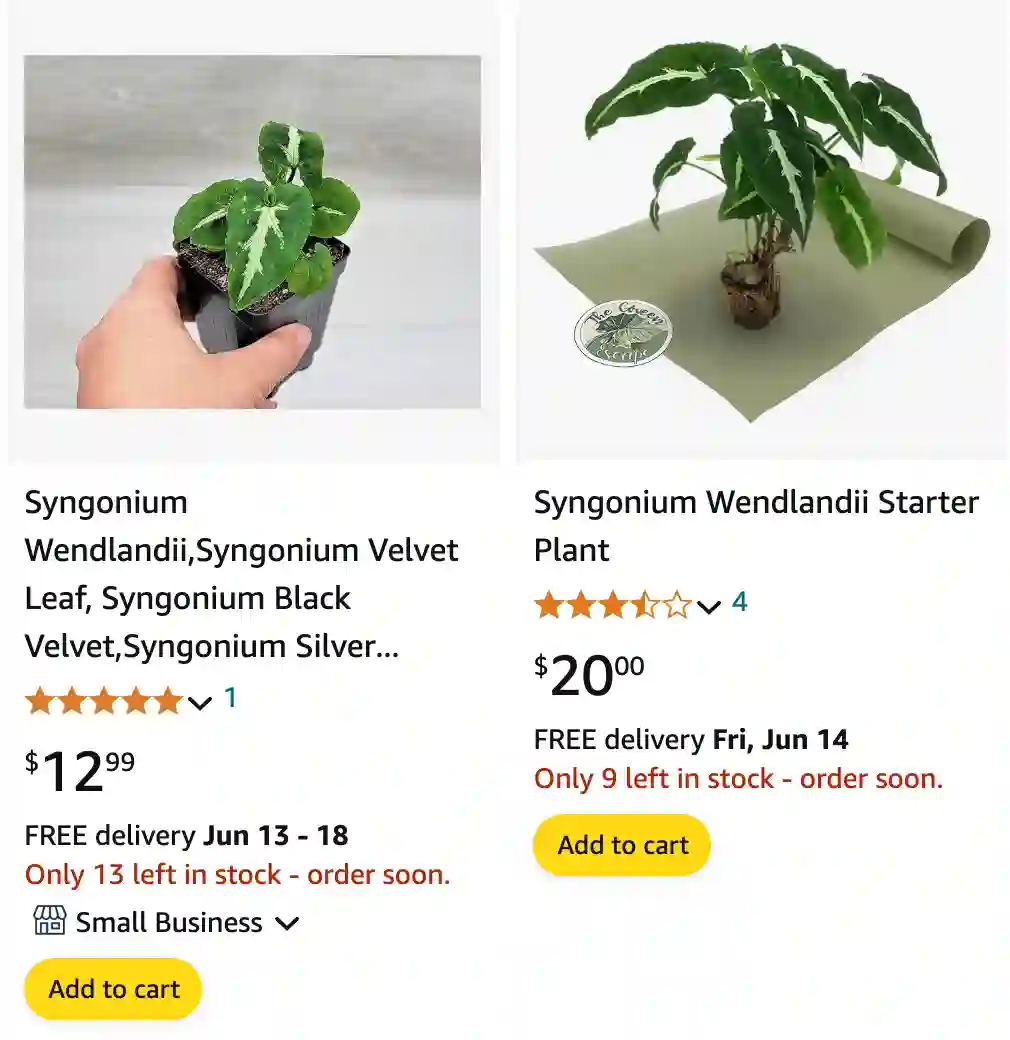
The plant world is a tapestry of vibrant greens, unique textures, and fascinating growth habits. Among its many wonders, the Syngonium wendlandii, often affectionately known as the Silver Goosefoot Plant or Arrowhead Vine, stands out with its striking velvety leaves and prominent silvery-white midvein. This captivating aroid has garnered a special place in the hearts of plant enthusiasts, not just for its aesthetic appeal but also for its relatively straightforward care, making it a rewarding addition to any indoor jungle.
This comprehensive guide will delve deep into the world of Syngonium wendlandii, offering insights into its botanical characteristics, detailed care requirements, propagation methods, and common challenges. We’ll also embark on a unique “time lapse” journey, chronicling the growth of a Syngonium wendlandii from a humble cutting to a magnificent, mature specimen over three years, seen through the eyes of a dedicated gardener.
Botanical Overview: Unveiling the Silver Goosefoot
Syngonium wendlandii belongs to the Araceae family, a vast group of flowering plants that includes popular genera like Philodendron, Monstera, and Alocasia. Native to the humid tropical rainforests of Costa Rica, this plant is a true epiphyte in its natural habitat, meaning it grows on other plants (like trees) for support, rather than in the soil. It uses its aerial roots to cling and climb, reaching for light in the dense understory.
Key Characteristics:
- Leaves: The most distinguishing feature of Syngonium wendlandii is its foliage. Young leaves emerge as simple, arrow-shaped forms, but as the plant matures, they develop into deeply lobed, almost trifoliate (three-parted) leaves. The texture is a rich, velvety dark green, beautifully contrasted by a prominent, almost iridescent silvery-white midvein that runs down the center of each leaflet. This unique coloration gives it the “Silver Goosefoot” moniker.
- Growth Habit: It is a vining plant, capable of growing quite long in ideal conditions. In a domestic setting, it can be grown as a trailing plant in a hanging basket, or encouraged to climb a moss pole or trellis, mimicking its natural arboreal growth.
- Flowers: While primarily grown for its foliage, Syngonium wendlandii, like other aroids, can produce spathe and spadix inflorescences. However, these are rare in indoor cultivation and generally not as ornamental as the leaves.
Understanding its native environment is crucial to replicating the conditions it needs to thrive indoors. High humidity, consistent warmth, and dappled light are the cornerstones of successful Syngonium wendlandii cultivation.
The Time Lapse Journey – Year 1: The Humble Beginnings
Month 1-3: A New Chapter Begins
It was a cool spring morning when I first brought home my Syngonium wendlandii. It wasn’t a grand specimen, just a modest cutting with two perfectly formed, velvety leaves, its silver midvein already catching the light. I remember the excitement, the promise of new growth. I had prepared a small, well-draining pot, eager to give it the best start.
I nestled the cutting gently into a mix of coco coir, perlite, and a touch of orchid bark. The first few weeks were a delicate dance of observation. I placed it near an east-facing window, ensuring bright, indirect light, and misted it daily, trying to replicate the humid embrace of its tropical home. The soil was kept consistently moist, but never soggy. I checked the top inch with my finger, a simple ritual to gauge its thirst.
Slowly, almost imperceptibly at first, a tiny green nub appeared at the node. My heart swelled. It was a new leaf, unfurling with the promise of more. The plant was rooting, establishing itself, beginning its journey.
Cultivation & Care Guide: Laying the Foundation
For a young Syngonium wendlandii to establish itself and thrive, meticulous attention to its foundational needs is paramount.
1. Light Requirements: The Gentle Glow
Syngonium wendlandii prefers bright, indirect light. In its natural habitat, it grows beneath the canopy of larger trees, receiving filtered sunlight.
- Ideal Placement: An east-facing window is often perfect, providing gentle morning sun. A few feet back from a south or west-facing window, or behind a sheer curtain, can also work.
- Signs of Too Much Light: Scorched, yellowing leaves. The velvety texture might appear dull.
- Signs of Too Little Light: Leggy growth (long stems with sparse leaves), smaller leaves, and loss of the vibrant silver variegation. The plant will stretch towards the light source.
2. Watering Schedule: The Rhythmic Hydration
Consistency is key. Syngonium wendlandii enjoys consistently moist, but not waterlogged, soil.
- When to Water: Allow the top 1-2 inches of soil to dry out between waterings. Use your finger to check the moisture level.
- How to Water: Water thoroughly until water drains from the bottom of the pot. Discard any excess water from the saucer to prevent root rot.
- Factors Affecting Frequency: Pot size, soil mix, temperature, humidity, and light levels will all influence how quickly the soil dries. In warmer, brighter conditions, it will need more frequent watering.
- Signs of Underwatering: Drooping, limp leaves, and dry, brittle soil.
- Signs of Overwatering: Yellowing leaves, mushy stems, and a sour smell from the soil, indicating root rot.
3. Humidity Needs: The Tropical Embrace
As a rainforest native, Syngonium wendlandii thrives in high humidity (60% or higher).
- Methods to Increase Humidity:
- Pebble Tray: Place the pot on a tray filled with pebbles and water, ensuring the pot itself doesn’t sit in the water.
- Humidifier: An electric humidifier is the most effective way to maintain consistent humidity, especially in dry indoor environments.
- Grouping Plants: Grouping plants together creates a microclimate with higher local humidity.
- Misting: While misting provides temporary relief, it’s not a long-term solution for humidity and can sometimes promote fungal issues if air circulation is poor.
4. Soil Mix: The Well-Draining Foundation
A well-draining, airy potting mix is crucial to prevent waterlogging and promote healthy root growth.
- Ideal Mix: A good aroid mix typically includes:
- Potting Soil (50%): A high-quality, peat-based or coco coir-based potting mix.
- Perlite (20-30%): For aeration and drainage.
- Orchid Bark/Chunky Coco Coir (20-30%): For added aeration and to mimic its epiphytic nature.
- Optional Additions: A handful of worm castings for nutrients or horticultural charcoal for improved drainage and filtration.
5. Fertilization: The Nutrient Boost
Fertilize during the active growing season (spring and summer) when the plant is actively producing new leaves.
- Type of Fertilizer: Use a balanced liquid fertilizer (e.g., 20-20-20 or 10-10-10) diluted to half or quarter strength.
- Frequency: Every 2-4 weeks during the growing season. Reduce or stop fertilization during fall and winter when growth slows down.
- Signs of Nutrient Deficiency: Pale leaves, stunted growth, or yellowing of older leaves.
- Signs of Over-fertilization: Brown leaf tips or edges, stunted growth, and a crust of fertilizer salts on the soil surface. Flush the soil with plain water if this occurs.
6. Temperature: The Warmth of the Tropics
Syngonium wendlandii prefers warm temperatures, typical of its tropical origins.
- Ideal Range: Between 18∘C and 29∘C (65∘F and 85∘F).
- Avoid Extremes: Protect the plant from cold drafts (e.g., from open windows or air conditioning vents) and sudden temperature fluctuations, which can stress the plant and lead to leaf drop or stunted growth. Do not expose it to temperatures below 10∘C (50∘F).
7. Potting & Repotting: Room to Grow
Syngonium wendlandii is not a particularly fast grower, but it will eventually need a larger home.
- When to Repot: Repot when the plant becomes root-bound (roots are circling the drainage holes or emerging from the top of the soil). This typically occurs every 1-2 years.
- Pot Size: Choose a pot that is only one size larger than the current one (e.g., from a 4-inch to a 6-inch pot). Too large a pot can hold excess moisture, leading to root rot.
- Pot Material: Terracotta pots can help with drainage and aeration, while plastic pots retain moisture longer. Choose based on your watering habits and environment.
- Process: Gently remove the plant from its old pot, loosen any circling roots, add fresh potting mix to the new pot, center the plant, and fill with more mix, leaving an inch or two from the rim. Water thoroughly after repotting.
8. Pruning & Training: Shaping the Vine
Pruning helps maintain the plant’s shape, encourages bushier growth, and can be used to manage its vining habit.
- Pruning: Use clean, sharp shears to snip off leggy stems, yellowing leaves, or to encourage branching. You can prune back to a node (the point where a leaf or stem emerges) to encourage new growth from that spot.
- Training: If you want your Syngonium wendlandii to climb, provide a moss pole, coir pole, or trellis. Gently tie the stems to the support as they grow, or allow the aerial roots to attach naturally. This can lead to larger, more mature leaves.
The Time Lapse Journey – Year 2: Growth and Adaptation
Month 4-12: The Vining Begins
As the first year turned into the second, my Syngonium wendlandii truly began to come into its own. The initial cutting had transformed into a small, bushy plant, and then, the vining started. Long, slender stems reached out, adorned with increasingly larger, more deeply lobed leaves. The silver midvein seemed to shimmer even more intensely, a testament to its health.
I decided it was time to give it a moss pole. Watching it cling, its aerial roots seeking purchase, was incredibly satisfying. It was mimicking its natural growth, reaching upwards. I adjusted my watering slightly, as the larger plant and warmer summer months meant it drank more. Fertilization became a regular part of my routine, a little boost every few weeks.
There were small challenges, of course. A few yellowing leaves here and there, a sign I might have overwatered once or twice, or perhaps it was just shedding older foliage. But overall, it was a period of robust growth, a vibrant green presence in my home, constantly surprising me with new unfurling leaves.
Propagation: Sharing the Silver Goosefoot
Propagating Syngonium wendlandii is relatively easy and a rewarding way to create new plants for yourself or to share with friends. Stem cuttings are the most common and successful method.
1. Stem Cuttings: The Most Reliable Method
- Materials: Clean, sharp scissors or pruning shears, a glass of water or a small pot with moist potting mix.
- Steps:
- Select a Healthy Stem: Choose a healthy stem with at least 2-3 nodes (the bumps on the stem where leaves and roots emerge). Ensure it has at least one leaf.
- Make the Cut: Cut just below a node. Remove any leaves that would be submerged in water or buried in soil to prevent rot.
- Water Propagation: Place the cutting in a glass of clean water. Ensure at least one node is submerged. Place in a warm spot with bright, indirect light. Change the water every few days to keep it fresh. Roots should appear within 2-4 weeks. Once roots are a few inches long, you can pot the cutting in soil.
- Soil Propagation: Dip the cut end in rooting hormone (optional, but can speed up rooting). Plant the cutting directly into a small pot filled with moist, well-draining potting mix. Keep the soil consistently moist and maintain high humidity around the cutting (e.g., by covering it with a plastic bag or dome). Roots typically form within 4-6 weeks.
2. Air Layering: For Larger Plants
Air layering is a method used for more mature plants to create a new plant while it’s still attached to the parent.
- Steps:
- Choose a Node: Select a healthy stem node where you want roots to form.
- Make an Incision: Make a small, upward diagonal cut about one-third of the way through the stem, just below the node. You can also scrape off a small ring of bark.
- Apply Rooting Hormone: Apply rooting hormone to the cut area.
- Wrap with Sphagnum Moss: Wrap a handful of moist sphagnum moss around the cut area.
- Cover with Plastic: Securely wrap the moss with plastic wrap, tying both ends to create a sealed packet.
- Wait for Roots: Roots will form inside the moss ball over several weeks or months.
- Sever and Pot: Once a good root system has developed, cut the stem below the moss ball and pot the new plant.
Common Problems & Solutions: Navigating the Challenges
Even with the best care, plants can encounter issues. Recognizing the signs and knowing how to respond is crucial for keeping your Syngonium wendlandii healthy.
1. Pests: Unwanted Visitors
- Spider Mites: Tiny red or brown mites that create fine webbing, usually on the undersides of leaves.
- Solution: Increase humidity. Wipe leaves with a damp cloth. Use insecticidal soap or neem oil.
- Mealybugs: Small, white, cottony insects found in leaf axils and on stems.
- Solution: Dab with a cotton swab dipped in rubbing alcohol. Use insecticidal soap.
- Thrips: Tiny, slender insects that cause silvery streaks and distorted new growth.
- Solution: Isolate the plant. Use insecticidal soap or systemic insecticides for severe infestations.
- Fungus Gnats: Small, dark flies that hover around the soil, indicating overly moist conditions.
- Solution: Allow the top layer of soil to dry out completely between waterings. Use sticky traps or beneficial nematodes.
2. Diseases: Fungal Foes
- Root Rot: The most common disease, caused by overwatering and poor drainage. Symptoms include yellowing, wilting leaves, and a mushy stem base.
- Solution: Repot the plant, trimming away any black, mushy roots. Use fresh, well-draining soil. Adjust watering habits.
- Fungal Leaf Spots: Brown or black spots on leaves, often with a yellow halo, caused by high humidity combined with poor air circulation.
- Solution: Improve air circulation. Reduce misting. Remove affected leaves. Apply a fungicide if severe.
3. Environmental Issues: Stress Signals
- Yellowing Leaves: Can indicate overwatering, underwatering, nutrient deficiency, or natural shedding of older leaves. Assess your watering routine first.
- Brown Leaf Tips/Edges: Often a sign of low humidity, inconsistent watering, or fertilizer burn.
- Stunted Growth/Small Leaves: Insufficient light, lack of nutrients, or root-bound conditions.
- Loss of Variegation: Typically due to insufficient light. Move the plant to a brighter spot.
The Time Lapse Journey – Year 3: Flourishing and Beyond
Month 13-36: A Mature Masterpiece
Three years had passed since that small cutting first graced my home. My Syngonium wendlandii was now a magnificent specimen, its vines gracefully draping from the top of the moss pole, some reaching almost to the floor. The leaves were truly impressive now, large and deeply lobed, each one a testament to the plant’s resilience and beauty. The silvery midvein on these mature leaves was even more pronounced, almost glowing against the deep emerald green.
It had found its rhythm in my home. Watering was intuitive, and I’d learned to read its subtle cues. Repotting had happened once, giving its extensive root system more room. I continued to prune it occasionally, not just to maintain its shape but also to propagate new cuttings, sharing the joy of this plant with friends and family. It had become a focal point, a living sculpture that brought a touch of the rainforest into my living space.
Looking back, the journey from a tiny cutting to this lush, mature plant was a rewarding “time lapse” of growth, patience, and learning. It wasn’t just about the plant growing; it was about my own growth as a plant parent.
Syngonium Wendlandii vs. Other Syngoniums: A Comparative Look
While Syngonium wendlandii is distinct, the genus Syngonium is vast and diverse. Here’s how it compares to some other popular varieties:
- Syngonium wendlandii vs. Syngonium podophyllum (Common Arrowhead Vine):
- Leaves: S. wendlandii has distinctly velvety, dark green leaves with a prominent silver midvein, and tends to develop more pronounced lobing earlier in its maturity. S. podophyllum varieties are much more varied in color (green, pink, white, cream) and often have a smoother, more matte texture. While S. podophyllum also starts arrow-shaped and can lobe, the lobing is generally less deep and the texture is different.
- Growth Habit: Both are vining, but S. podophyllum is often seen as bushier and more compact in its juvenile form, making it a popular choice for tabletops before it starts to vine extensively. S. wendlandii tends to show its vining nature and mature leaf shape more readily.
- Care: Generally similar care requirements, though S. wendlandii might appreciate slightly higher humidity due to its velvety leaves.
- Syngonium wendlandii vs. Other Cultivars (e.g., ‘Pink Splash’, ‘Neon Robusta’, ‘White Butterfly’):
- Coloration: Most other popular Syngonium podophyllum cultivars are known for their vibrant pinks, whites, and lighter greens, often with splashes or solid blocks of color. S. wendlandii stands apart with its unique dark green and striking silver midvein, lacking the extensive variegation of other types.
- Texture: The velvety texture of S. wendlandii is a key differentiator from the smoother leaves of many other Syngonium cultivars.
- Shape: While all Syngoniums share the arrowhead shape, the specific lobing and mature leaf forms vary, with S. wendlandii having a more distinct, almost trifoliate appearance when mature.
In essence, Syngonium wendlandii offers a sophisticated, understated elegance with its rich green and silver, contrasting with the more flamboyant color palettes of many other Syngonium varieties.
Benefits & Uses: More Than Just Pretty Leaves
Beyond its striking appearance, Syngonium wendlandii offers several benefits that make it a valuable houseplant:
- Air Purification: Like many other houseplants, Syngonium wendlandii is known to help purify indoor air by absorbing common airborne toxins such as formaldehyde, benzene, and xylene. This contributes to a healthier living environment.
- Aesthetic Appeal: Its unique velvety texture and prominent silver midvein make it a visual standout. It adds a touch of tropical elegance and can be a focal point in any room. Its vining habit makes it versatile for hanging baskets, shelves, or climbing poles.
- Ease of Care: While it has specific needs, once those are met, Syngonium wendlandii is relatively low-maintenance and forgiving, making it suitable for both beginner and experienced plant enthusiasts. Its robust nature allows it to recover well from minor stresses.
- Therapeutic Benefits: Caring for plants has been shown to reduce stress, improve mood, and increase feelings of well-being. The act of nurturing a living thing and watching it grow can be incredibly therapeutic.
Frequently Asked Questions (FAQs)
Q1: Is Syngonium wendlandii toxic to pets? A1: Yes, like other plants in the Araceae family, Syngonium wendlandii contains calcium oxalate crystals, which can cause irritation to the mouth, throat, and digestive system if ingested. Keep it out of reach of pets and small children.
Q2: Why are my Syngonium wendlandii leaves turning yellow? A2: Yellowing leaves are often a sign of overwatering or underwatering. Check the soil moisture. It can also be due to nutrient deficiency or natural shedding of older leaves. Assess your care routine.
Q3: How can I make my Syngonium wendlandii bushier? A3: Pruning is the best way to encourage bushier growth. Snip off leggy stems just above a node. This will encourage the plant to produce new growth from that node, leading to a fuller appearance.
Q4: Does Syngonium wendlandii need a moss pole? A4: While not strictly necessary if you prefer a trailing plant, providing a moss pole or trellis will encourage the plant to climb, mimicking its natural growth habit. This can also lead to larger, more mature leaves with more pronounced lobing.
Q5: What’s the ideal humidity for Syngonium wendlandii? A5: Syngonium wendlandii thrives in high humidity, ideally 60% or higher. If your home is dry, consider using a humidifier, pebble tray, or grouping plants together.
Q6: Can Syngonium wendlandii tolerate direct sunlight? A6: No, Syngonium wendlandii prefers bright, indirect light. Direct sunlight can scorch its delicate leaves, leading to brown spots and dull coloration.
Conclusion: A Journey of Growth and Greenery
The Syngonium wendlandii is more than just a houseplant; it’s a living piece of art, a testament to the beauty and resilience of nature. Its velvety leaves with their striking silver midvein offer a unique aesthetic that complements any indoor space. As we’ve seen through our “time lapse” journey, nurturing this plant from a small cutting to a mature specimen is a deeply rewarding experience, filled with moments of anticipation, observation, and joy.
By understanding its specific needs for light, water, humidity, and soil, and by being attentive to its signals, you can ensure your Silver Goosefoot Plant thrives, bringing a touch of tropical elegance and cleaner air to your home for years to come. Whether you’re a seasoned plant parent or just beginning your green journey, Syngonium wendlandii is a fantastic choice that promises beauty and satisfaction.

If i die, water my plants!