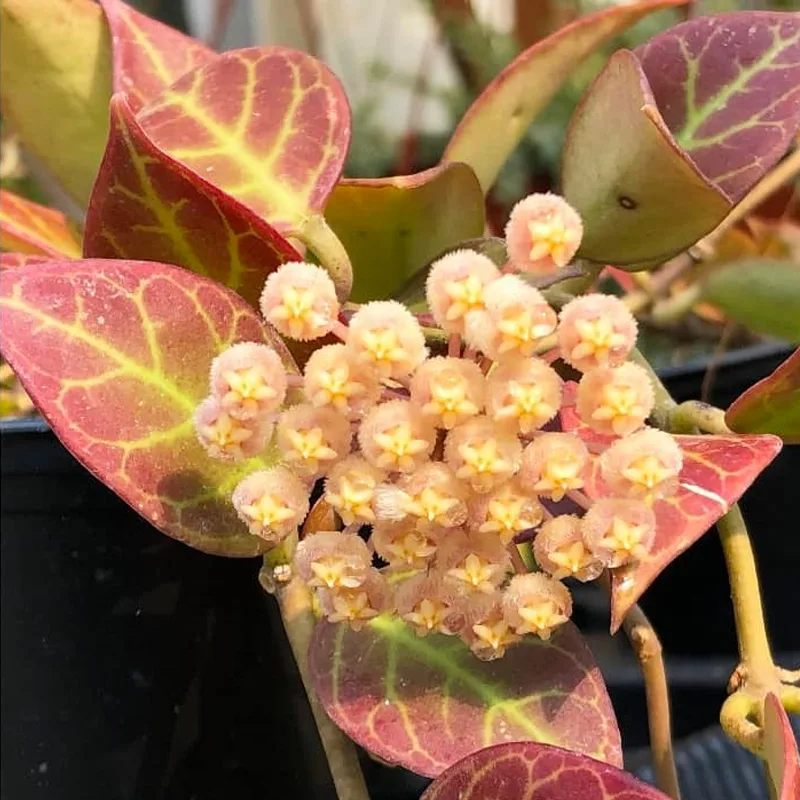
Over the years, I’ve grown increasingly fond of identifying plants not by their flowers or fruits, but by their foliage. That’s how I stumbled upon the charm of the Tree With Heart Shaped Leaves. There’s something poetic and grounding about leaves shaped like hearts—it’s nature’s own symbol of life and love. So, I put together this list of FAQs based on my personal experience with these botanical gems, from the Large Tree With Heart Shaped Leaves to those delicate flowering ones.
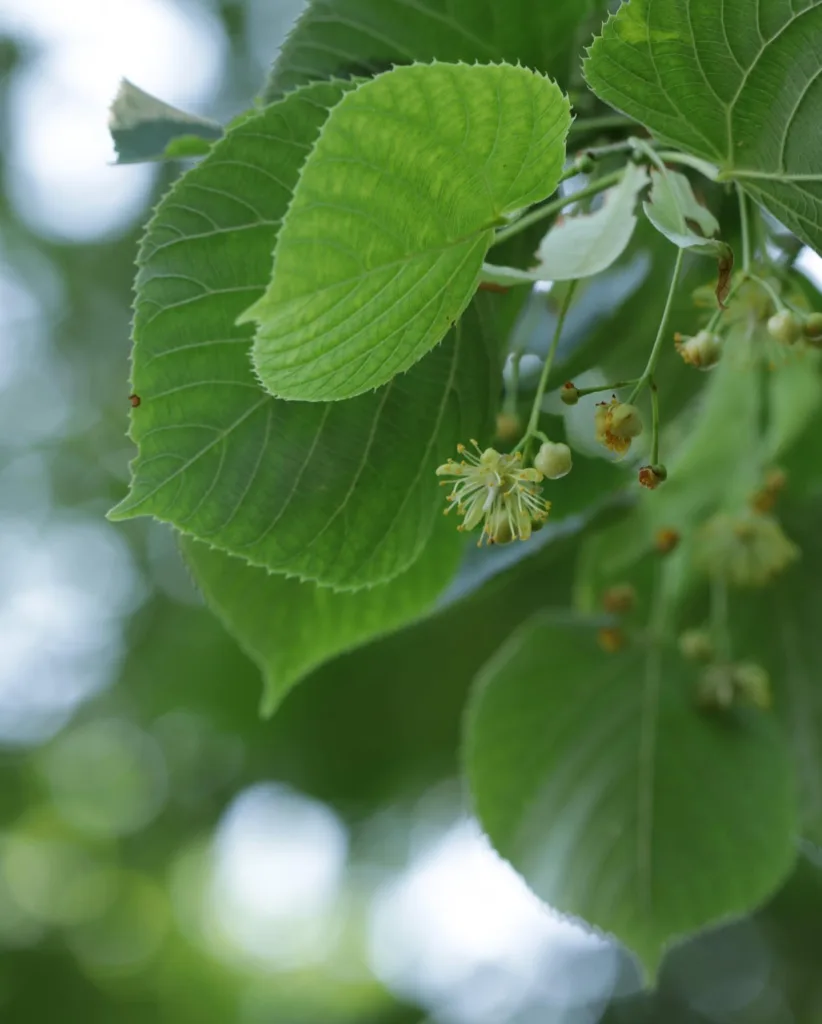
What Are Some Common Trees With Heart Shaped Leaves?
Let’s start broad. The most well-known examples include the Eastern Redbud, Catalpa, Linden (Tilia), and Katsura trees. These species are often chosen for their visual appeal, tolerance to various climates, and in some cases, their fragrant or flowering attributes.
Which One Is a Large Tree With Heart Shaped Leaves?
In my yard, the Northern Catalpa dominates. It’s a Large Tree With Heart Shaped Leaves that grows tall and casts a wide shade. The leaves are massive—soft, green, and heart-shaped. It’s also known for its showy white flowers in spring. Another contender is the American Linden, a majestic tree with dense foliage and a soothing presence.
Is There a Deciduous Tree With Heart Shaped Leaves?
Yes—and there are many. Almost all the trees I mentioned earlier are Deciduous Trees With Heart Shaped Leaves. In particular, the Eastern Redbud is one I love most. It turns a brilliant yellow in fall and drops its leaves before winter, making it a true deciduous beauty.
What About a Small Tree With Heart Shaped Leaves?
For smaller spaces, the Judas Tree or Cercis siliquastrum is ideal. It’s a Small Tree With Heart Shaped Leaves, often under 25 feet, and looks stunning in spring when it blooms with pink-magenta flowers. I also grow a dwarf variety of the Katsura Tree that stays compact but offers dense foliage and a sweet caramel scent in autumn.
Are There Trees With Heart Shaped Leaves and White Flowers?
Definitely. The Northern Catalpa, which I mentioned earlier, is a Tree With Heart Shaped Leaves And White Flowers. Its blossoms resemble orchids and emit a mild fragrance. The Silver Linden also qualifies, offering white flowers that hum with pollinators in early summer.
What Fragrant Tree With Heart Shaped Leaves Do You Recommend?
My top pick is the Katsura Tree (Cercidiphyllum japonicum). While its tiny flowers aren’t much to look at, the fall scent is unbeatable—it smells like cotton candy or burnt sugar. This Fragrant Tree With Heart Shaped Leaves wins every autumn in my book.
Is There a Fruit Tree With Heart Shaped Leaves?
Yes, though not all are grown for eating. The Pawpaw Tree (Asimina triloba) is a Fruit Tree With Heart Shaped Leaves. I grow a couple in the back—they have tropical-looking foliage and bear custard-like fruit with banana-mango flavor. They also thrive in shade, which is a bonus.
What Is a Weeping Tree With Heart Shaped Leaves?
The Weeping Redbud (Cercis canadensis ‘Lavender Twist’) is a true showstopper. This Weeping Tree With Heart Shaped Leaves has branches that cascade like a waterfall, covered in bright pink flowers before the leaves emerge. I planted one near my pond, and it creates a soft, romantic silhouette.
Do Any Trees With Heart Shaped Leaves Have Purple Flowers?
Yes, again, the Eastern Redbud is your go-to Tree With Heart Shaped Leaves And Purple Flowers. While some call the flowers magenta or lavender-pink, the deeper-hued varieties lean purple. Cultivars like ‘Forest Pansy’ even have dark foliage, adding contrast.
What’s That Pink Flowering Tree With Heart Shaped Leaves I Saw?
Most likely, it’s a Pink Flowering Tree With Heart Shaped Leaves like the Judas Tree or a Redbud variety such as ‘Appalachian Red’. In spring, they burst into bloom, covering the bare branches with heart-shaped beauty. These are perfect for ornamental use.
Any Tree With Heart Shaped Leaves And Yellow Flowers?
This one’s rare, but I’ve seen Oxystelma esculentum, a lesser-known vine-like tree, bearing yellow flowers with heart-shaped leaves in tropical regions. Also, Bauhinia tomentosa has yellow flowers and bilobed (but nearly heart-shaped) leaves.
Final Thoughts: Why I Love These Trees
Beyond aesthetics, Trees With Heart Shaped Leaves offer variety. Whether I’m planting for fragrance, color, or food, there’s one that fits the bill. Their symbolism, leaf geometry, and seasonal transformations captivate me year-round.
These trees aren’t just beautiful—they’re semantically rich, interacting with their surroundings in ways that support pollinators, enhance soil, and shade wildlife. They work across garden styles—from formal landscapes to food forests.
For anyone building a garden with both purpose and poetry, I say: start with a Tree With Heart Shaped Leaves. You’ll find yourself falling in love with them, season after season.

If i die, water my plants!