I’m Ferb Vu, and I’ve spent quite a bit of time with Tropaeolum Majus, commonly known as the garden nasturtium. If you’re curious about this colorful and easy-to-grow plant, you’re in the right place. I’ve gathered my personal experience and knowledge into this FAQ-style article to help you understand everything about Tropaeolum Majus — from its care and uses to comparisons with similar plants.
What Is Tropaeolum Majus, and Why Should I Grow It?
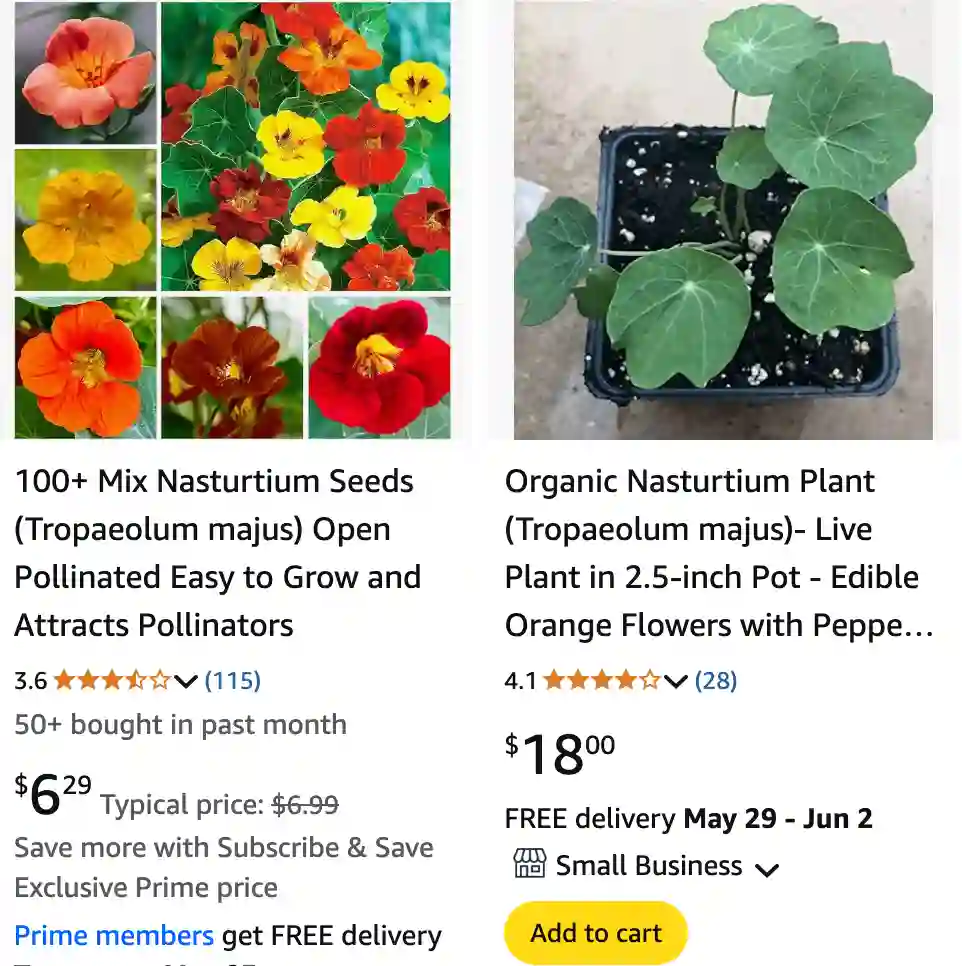
Tropaeolum Majus is a fast-growing annual vine or trailing plant famous for its round leaves and vibrant flowers. The flowers often come in warm shades of red, orange, and yellow, which add instant charm to any garden or container. One reason I like Tropaeolum Majus is its versatility—it works as ground cover, a climber on trellises, or even as a spill-over plant in hanging baskets.
Besides its ornamental value, the plant is edible. The leaves, flowers, and even the seed pods have a peppery, tangy flavor, making them a unique addition to salads and garnishes. It’s not just pretty; it’s practical.
How Do I Care for Tropaeolum Majus?
From my experience, Tropaeolum Majus thrives with minimal fuss, which is why it’s perfect for beginner gardeners. Here’s how I keep mine happy:
- Sunlight: Full sun to partial shade is ideal. I find that the flowers are more abundant when the plant gets at least 6 hours of direct sun.
- Soil: Well-draining soil works best. I don’t bother with overly rich soil because Tropaeolum Majus actually prefers lean soil conditions, which help control its vigorous growth.
- Watering: Moderate watering is key. I water deeply but let the soil dry out between sessions. Overwatering can cause root rot, so I keep an eye on moisture levels.
- Fertilizer: I rarely use fertilizer. Too much nitrogen causes lush leaves but fewer flowers.
- Pruning: Deadheading spent flowers encourages new blooms. I trim back any leggy stems to maintain a tidy shape.
Is Tropaeolum Majus Good for Companion Planting?
One of my favorite uses for Tropaeolum Majus is in companion planting. It acts as a natural pest deterrent, especially for aphids, whiteflies, and squash bugs. I often plant it near tomatoes, cucumbers, and brassicas to help protect them.
The plant attracts pollinators like bees and butterflies, which benefits nearby flowering and fruiting plants. Because it grows quickly, it also provides ground cover that suppresses weeds, which reduces maintenance in my garden.
How Does Tropaeolum Majus Compare to Nasturtium Varieties?
When people say “nasturtium,” they usually mean Tropaeolum Majus, but there are other nasturtium species like Tropaeolum peregrinum and Tropaeolum canariense. Here’s what I noticed when comparing them:
- Tropaeolum Majus: Broad leaves, large flowers in fiery colors, and a trailing or climbing habit. It’s the most common and easiest to grow.
- Tropaeolum Peregrinum: Has finely divided, fern-like leaves and smaller yellow flowers. It’s less common but adds a delicate texture to gardens.
- Tropaeolum Canariense: A shrubby, woody nasturtium with bright orange flowers, often grown in warmer climates.
For most gardeners, including me, Tropaeolum Majus is the best all-around nasturtium for easy care, decorative appeal, and edible value.
Can I Grow Tropaeolum Majus Indoors?
Yes, but it takes some effort. I have grown Tropaeolum Majus indoors near a south-facing window where it gets enough light. If you want to grow it inside, make sure to provide:
- Bright, indirect sunlight for at least 6 hours daily.
- Good airflow to prevent fungal diseases.
- A large enough pot with well-draining soil.
- Support like a small trellis if you want it to climb.
Indoor growing may reduce the number of flowers compared to outdoors, but you can still enjoy its greenery and peppery leaves year-round.
What Are the Common Pests and Diseases Affecting Tropaeolum Majus?
In my time with Tropaeolum Majus, I’ve seen a few common issues:
- Aphids: They cluster on new growth but can be controlled with insecticidal soap or neem oil.
- Caterpillars: Sometimes they munch on the leaves, but handpicking works well.
- Fungal diseases: Powdery mildew can appear in humid conditions, especially if airflow is poor. I prune affected areas and ensure good spacing.
- Leaf spots: Caused by overwatering or poor drainage, but manageable by adjusting watering habits.
Overall, Tropaeolum Majus is resilient if you maintain proper care.
How Do I Harvest and Use Tropaeolum Majus Edibly?
I harvest flowers and leaves throughout the growing season. The flowers are beautiful in salads, providing a peppery bite and bright color. The leaves also add a tangy zest but are stronger in flavor, so I use them sparingly.
The seed pods can be pickled as a substitute for capers. To harvest, I pick the buds before they open and soak them in brine or vinegar.
Always be sure to grow Tropaeolum Majus organically if you intend to eat it, avoiding pesticides.
How Does Tropaeolum Majus Compare to Other Edible Flowers?
I love edible flowers, and Tropaeolum Majus ranks high on my list because it’s both tasty and vibrant. Compared to nasturtium’s peppery flavor, flowers like pansies or violas are milder and more decorative. Marigolds can be bitter, and calendula has a somewhat spicy taste but lacks nasturtium’s unique zing.
For gardeners wanting both visual impact and culinary use, Tropaeolum Majus offers a winning combo.
Can Tropaeolum Majus Be Used in Landscaping?
Absolutely. I’ve used it in borders, hanging baskets, and as a ground cover. It’s especially helpful on slopes or bare patches because it spreads quickly and shades out weeds. I also love planting it near herbs like basil and rosemary because it attracts beneficial insects.
Its fast growth and bright flowers add instant color to any landscape with minimal effort.
Final Thoughts on Tropaeolum Majus
Tropaeolum Majus has become one of my favorite garden companions. It’s easy to grow, supports biodiversity, offers edible delights, and adds brilliant color. Whether you want a low-maintenance ground cover, a climber, or a splash of edible flowers, Tropaeolum Majus fits the bill.

If i die, water my plants!