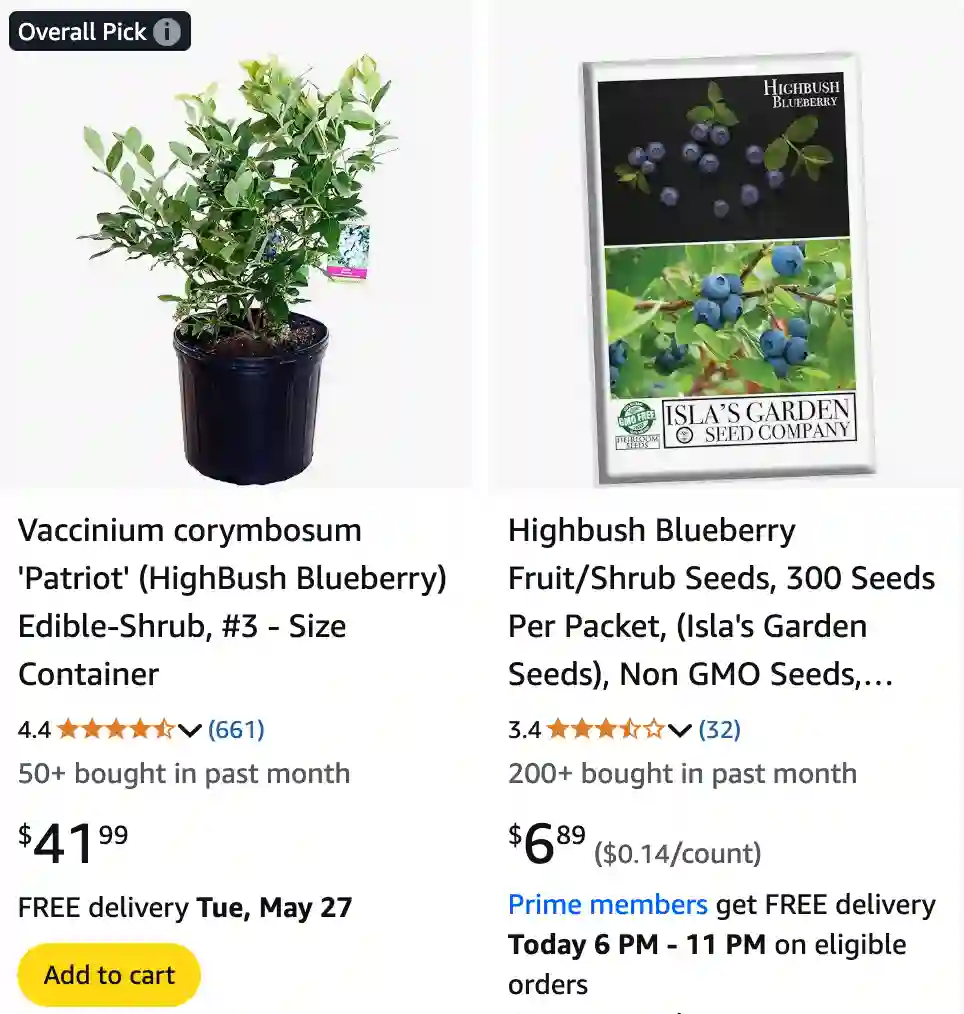
Hi, I’m Ferb Vu, and I’ve spent quite a bit of time growing and learning about Vaccinium Corymbosum, commonly known as the highbush blueberry. I’m excited to share what I’ve learned in a clear, straightforward way. If you’re curious about growing this plant or just want to understand it better, here’s a detailed FAQ based on my personal experience and research.
488 Species in Genus Vaccinium
What Is Vaccinium Corymbosum?
Vaccinium Corymbosum is the scientific name for the highbush blueberry. This plant is native to North America and is one of the most popular blueberry species cultivated for fresh fruit. It grows as a deciduous shrub, typically 6 to 12 feet tall, with clusters of small white or pinkish flowers in spring and delicious blue berries in summer.
How Does Vaccinium Corymbosum Differ from Other Blueberry Species?
I often get asked how highbush blueberries compare with other types like lowbush (Vaccinium angustifolium) or rabbiteye blueberries (Vaccinium virgatum). Here’s what I’ve found:
- Highbush blueberries (Vaccinium Corymbosum) grow taller and yield larger berries.
- Lowbush blueberries are shorter, spreading shrubs with smaller, more intensely flavored berries.
- Rabbiteye blueberries thrive better in warmer climates and produce larger, later-season berries.
For me, Vaccinium Corymbosum is the best choice if you want a balanced yield, sweet fruit, and a plant that adapts well to moderate climates.
What Growing Conditions Does Vaccinium Corymbosum Prefer?
From my experience, Vaccinium Corymbosum needs:
- Acidic soil: pH between 4.5 and 5.5 is ideal. I use peat moss and pine bark mulch to keep the soil acidic.
- Well-drained soil: Blueberries hate “wet feet.” Raised beds or sandy loam work well.
- Full sun: At least 6 hours daily to get the best fruit production.
- Consistent moisture: I water regularly but avoid waterlogging.
Vaccinium Corymbosum’s sensitivity to soil acidity and moisture is crucial. If you overlook this, the plant won’t thrive.
How Do I Care for Vaccinium Corymbosum Throughout the Year?
I’ve learned that timely care improves harvest and plant health.
- Spring: Prune dead or weak branches. Apply a balanced fertilizer formulated for acid-loving plants.
- Summer: Keep the soil moist and mulch to retain moisture. Watch for pests like aphids or blueberry maggot.
- Fall: Stop fertilizing to let the plant prepare for dormancy.
- Winter: Protect the roots with extra mulch if you’re in a colder region.
Vaccinium Corymbosum benefits from consistent attention. I keep a seasonal calendar to stay on track.
What Are Common Pests and Diseases Affecting Vaccinium Corymbosum?
Unfortunately, Vaccinium Corymbosum is susceptible to:
- Mummy berry disease: A fungal infection causing shriveled berries. I remove infected debris and use fungicides if needed.
- Blueberry maggot: The larvae can ruin fruit. Sticky traps and insecticides help control this.
- Aphids and spider mites: These insects sap the plant’s strength. I rely on organic insecticidal soaps.
Healthy Vaccinium Corymbosum plants resist pests better, so I focus on good nutrition and sanitation.
How Long Does Vaccinium Corymbosum Take to Produce Fruit?
Vaccinium Corymbosum usually starts producing fruit 2 to 3 years after planting. The first harvest might be light, but by year 4 or 5, you can expect a full yield.
Patience is key. I remember my first few years felt slow, but sticking with proper care paid off.
Can Vaccinium Corymbosum Cross-Pollinate with Other Blueberry Plants?
Yes! Cross-pollination boosts fruit size and yield. I plant different highbush cultivars close to each other because they are mostly self-sterile or only partially self-fertile.
If you grow just one Vaccinium Corymbosum variety, you might get fewer or smaller berries. Mixing cultivars like ‘Bluecrop’ and ‘Jersey’ worked well for me.
How Does Vaccinium Corymbosum Compare to Cranberries (Vaccinium Macrocarpon)?
Both Vaccinium Corymbosum and Vaccinium Macrocarpon belong to the same genus but serve very different purposes:
- Vaccinium Corymbosum produces fresh, sweet blueberries.
- Vaccinium Macrocarpon is the cranberry, usually grown in bogs and harvested mostly for juice and sauces.
I find Vaccinium Corymbosum easier to manage in a typical garden setting, while cranberries need very specific wetland conditions.
Can Vaccinium Corymbosum Be Grown in Containers?
Yes! I’ve successfully grown Vaccinium Corymbosum in large containers. The keys are:
- Using acidic, well-draining potting mix.
- Providing consistent water.
- Keeping the plant in full sun.
Container growing is great for people with limited space or poor garden soil.
What Are the Nutritional Benefits of Vaccinium Corymbosum Berries?
I love eating blueberries fresh or in smoothies because they are:
- High in antioxidants like anthocyanins.
- Rich in vitamins C and K.
- A good source of dietary fiber.
Vaccinium Corymbosum berries are not just tasty but also support heart health and reduce inflammation.
What Are the Best Vaccinium Corymbosum Cultivars to Grow?
From my experience, some cultivars stand out:
- ‘Bluecrop’ – Reliable, high yield, and cold-hardy.
- ‘Duke’ – Early ripening with large, firm berries.
- ‘Jersey’ – Late season and very sweet fruit.
Choosing the right cultivar depends on your climate and taste preferences.
How Do I Propagate Vaccinium Corymbosum?
I’ve propagated Vaccinium Corymbosum mostly by:
- Cuttings: Semi-hardwood cuttings in late summer root well in moist, acidic medium.
- Layering: Bending a branch to the ground and covering it with soil until roots form.
- Buying young plants: This is the simplest way if you want quick results.
Propagation takes patience but is rewarding if you want to expand your blueberry patch.
Conclusion
Vaccinium Corymbosum is a rewarding plant that requires some attention but delivers delicious, nutritious berries. I’ve found that understanding its needs — acidic soil, proper watering, pollination, and pest control — is key to success. Whether you’re planting it in a garden or container, this plant will offer you years of enjoyment and fresh fruit.

If i die, water my plants!