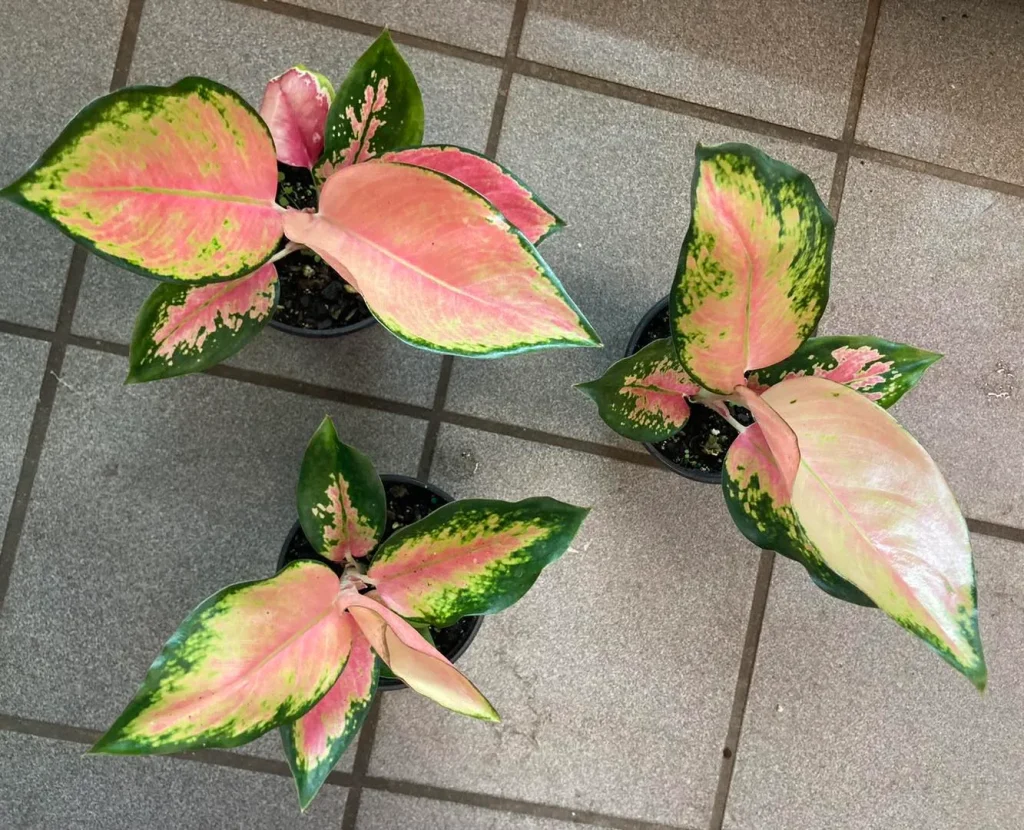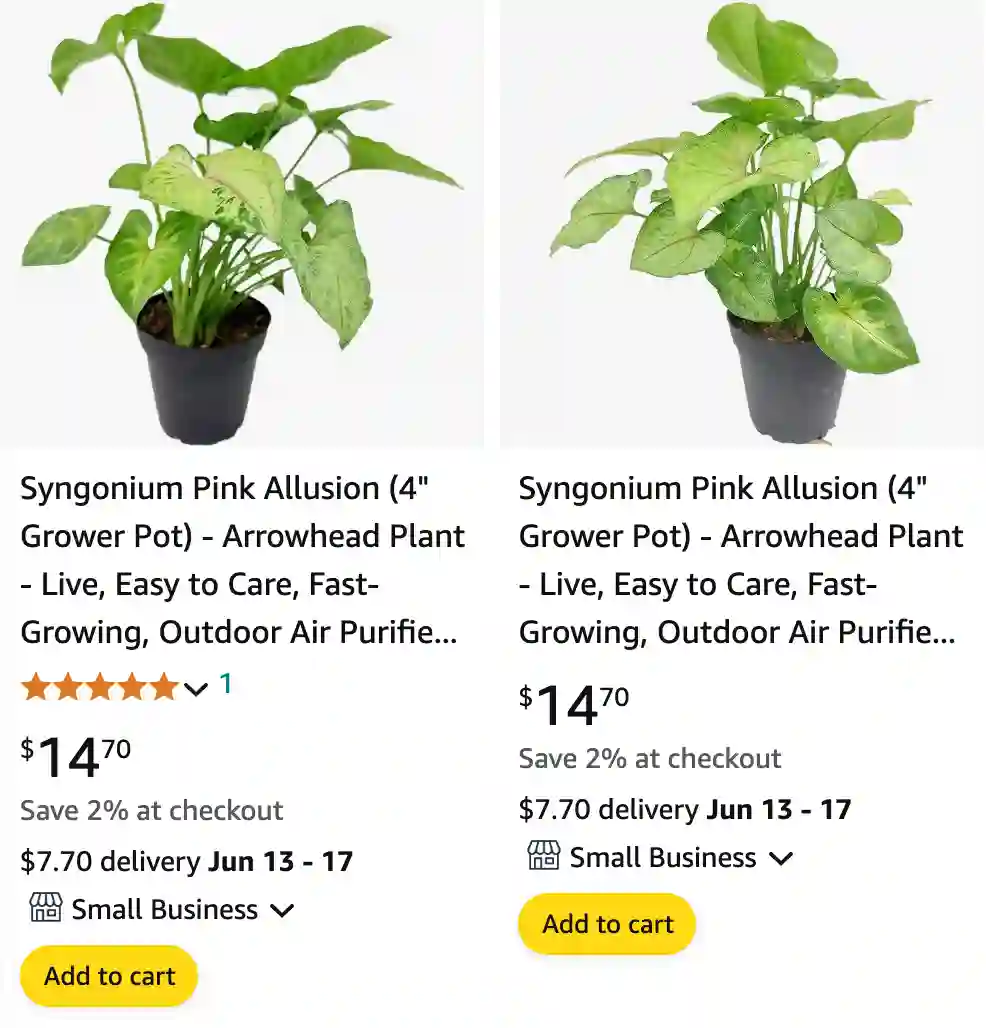
The Syngonium Pink Allusion, a captivating cultivar of the Syngonium podophyllum, stands as a testament to the beauty and adaptability of houseplants. Renowned for its delicate yet striking pink and green foliage, this plant has become a favored choice for indoor gardeners seeking both aesthetic appeal and ease of care. Beyond its visual charm, the Pink Allusion also contributes to a healthier indoor environment through its air-purifying capabilities. This comprehensive guide delves into the botanical intricacies, practical care requirements, and a unique time-lapse narrative of the Pink Allusion’s growth, offering a holistic understanding of how to cultivate this enchanting plant.
Botanical Profile: Unveiling the Arrowhead Plant’s Identity
The Syngonium Pink Allusion, while widely known by its charming common name, has a rich botanical identity rooted in its scientific classification and natural origins. Understanding these foundational aspects provides a deeper appreciation for its care requirements and distinctive features.
Common Names and Botanical Classification
Botanically, the plant is identified as Syngonium podophyllum, a species belonging to the Araceae family. This classification places it among other popular aroids, such as Philodendrons and Pothos, which share similar growth habits and care needs. Across various regions,
Syngonium podophyllum is recognized by a multitude of common names, including Arrowhead Plant, Arrowhead Vine, and Goosefoot. Historically, it was also mistakenly referred to as Nephthytis or African Evergreen. The continued use of “Nephthytis” for this plant, despite its botanical inaccuracy, stems from an early confusion with an African genus. This historical misidentification highlights how common names can sometimes diverge from precise scientific nomenclature, reflecting past botanical understandings and popular usage. For the discerning plant enthusiast, recognizing this distinction ensures accurate identification and communication about the plant.
Origin and Natural Habitat
The native range of Syngonium podophyllum spans a vast tropical region of Latin America, extending from Mexico through Bolivia. It has also naturalized in various other tropical and subtropical locales, including the West Indies, Florida, Texas, and Hawaii. In its indigenous environment, the
Syngonium podophyllum exhibits a unique growth habit as a hemiepiphyte. This means it typically begins its life on the forest floor, eventually climbing up tree trunks, anchoring itself with adventitious roots. These native habitats are characterized by consistently high humidity, stable warm temperatures averaging between 24-30°C (75-86°F) year-round, and perpetually shaded conditions with abundant moisture. Replicating these conditions indoors is fundamental to the plant’s thriving.
Distinctive Features of ‘Pink Allusion’
The ‘Pink Allusion’ is not a naturally occurring wild species but a cultivated variety, or cultivar, specifically developed for its striking and stable variegation. This distinction is important because the plant’s most desirable aesthetic quality—its vibrant pink coloration—is a result of human selection and breeding. Therefore, maintaining this particular trait requires specific environmental conditions that optimize the expression of this cultivated characteristic, rather than merely mimicking its wild habitat. While the variegation itself is generally stable and will not be “lost” over time, its visibility and vibrancy are significantly influenced by light levels.
The foliage of the ‘Pink Allusion’ is distinctively arrowhead-shaped or heart-shaped when juvenile. Its leaves feature a light green base adorned with creamy white variegation and striking bright pink veins, spots, or blotches. Some leaves can even appear nearly half pink, creating a bold, painterly effect. This contrast between the soft green and vibrant pink yields an almost watercolor-like appearance, which is particularly pronounced when the plant receives optimal light. As a fast-growing plant, especially during warmer months, the ‘Pink Allusion’ naturally develops a vining or climbing habit as it matures. Indoors, it can reach heights of up to 1.5 meters (4.9 ft) or trail/climb up to 6 feet, with a potential spread of 12-24 inches. This growth pattern means that a young, bushy plant will eventually transform, and gardeners can influence this change through pruning or providing support.
The Gardener’s Time-Lapse: My Year with a Pink Allusion
The journey of nurturing a Syngonium Pink Allusion from a small cutting to a flourishing, mature plant is a deeply rewarding experience, akin to watching a living time-lapse unfold. The following narrative chronicles the growth of a Pink Allusion over a year, highlighting key milestones and the adjustments made to its care. The ability to observe such transformations, as seen in time-lapses of other plants like Morning Glory or various Syngonium propagation efforts, provides a tangible framework for understanding the plant’s developmental stages. The milestones, from initial sprouting and root development to the emergence of new leaves and the onset of climbing, are all observable and can be adapted to create a compelling and realistic growth story for the ‘Pink Allusion’.
Month 1: A New Beginning – From Cutting to First Roots
My journey with the Pink Allusion began with a small, unassuming stem cutting. The excitement of bringing this potential beauty into my home was palpable. My first task was to set up its initial habitat, choosing a clear glass jar to allow for easy observation of root development.
For propagation, I opted for the water method, a technique known for its simplicity and transparency. I carefully selected a healthy stem with a few nodes, ensuring no leaves would be submerged, and placed it in clean, room-temperature filtered water. The anticipation was short-lived; within merely 6 to 7 days, tiny white nubs, the nascent roots, began to emerge from the nodes. Over the next week, these roots elongated, becoming more established, a clear sign that the cutting was taking hold. Throughout this initial phase, I ensured the jar was positioned in a spot receiving bright, indirect light, understanding that even at this early stage, proper illumination was crucial for healthy development. This first month culminated in the thrilling sight of strong, visible roots, and perhaps even the promise of a minuscule new leaf beginning to unfurl.
Month 3: Settling In – Establishing Growth and New Leaves
By the third month, the Pink Allusion had firmly settled into its new environment. The root system was robust, and it was time to transition it into a well-draining potting mix. The plant began to show consistent new leaf production, a clear indicator of its active growth phase.
Syngoniums, on average, produce about 6 to 7 new leaves annually. Therefore, by this three-month mark, I observed one to two new leaves, each unfurling with delicate precision. The plant’s fast growth rate, characteristic of its warm-weather tendencies, was evident in the rapid expansion of its foliage. Crucially, the characteristic pink variegation, which defines the ‘Pink Allusion’, began to become more prominent and vibrant in the new leaves, affirming the importance of consistent bright, indirect light. Maintaining a consistent watering schedule, allowing the top inch of soil to dry before rewatering, was paramount to prevent overwatering while ensuring adequate moisture for this period of active growth. The plant was visibly fuller, and the pink hues were deepening, marking a significant step in its development.
Month 6: Flourishing & Forming – Bushy Growth and Vining Tendencies
Half a year into its journey, the Pink Allusion was truly flourishing. It had grown considerably, likely adding another 15 centimeters (6 inches) to its stature, building on its initial growth. The plant was now noticeably denser, with its foliage becoming more lush. This period also marked a significant developmental shift: the plant began to show signs of its natural vining habit, with some stems becoming longer and more “leggy.”
This transition from a compact, juvenile form to a more vining or climbing habit is a natural part of the Syngonium’s maturation. The distinctive arrowhead-shaped leaves of its youth were starting to give way to slightly more lobed forms, hinting at its adult morphology. At this point, I faced a choice: either encourage a bushier, more compact form through regular pruning or provide a support structure, such as a moss pole or trellis, to allow it to climb. Pruning, by cutting just above a leaf node, stimulates branching and new growth, effectively maintaining a fuller shape. My decision at this stage directly influenced the plant’s future aesthetic, allowing me to guide its growth to suit my living space. The plant was now a vibrant, dense specimen, actively deciding its path—whether to sprawl or ascend.
Month 9: Adapting & Overcoming – Seasonal Changes and Minor Adjustments
As the seasons shifted and cooler, drier months approached, my Pink Allusion faced new environmental challenges. The decrease in natural light and household humidity, common during autumn and winter, necessitated adjustments to its care routine.
During these cooler periods, the plant’s growth naturally slows, and its water requirements decrease. I adjusted my watering frequency, allowing the soil to dry out more thoroughly between waterings to prevent root rot in less active conditions. A common concern during this time was the potential fading of the vibrant pink variegation, which can occur with insufficient light. I ensured the plant remained in its brightest indirect light spot, supplementing with a grow light on particularly dim days to maintain its color. Additionally, the drier indoor air often led to the development of brown or crispy tips on the leaves. To combat this, I increased ambient humidity through regular misting and placing a pebble tray nearby. The plant’s leaves, at times, would droop slightly, a clear signal of thirst or environmental stress. Observing and responding to these subtle cues was crucial, allowing me to address minor issues promptly and prevent them from escalating. This period underscored the plant’s communicative nature and its resilience in adapting to changing conditions.
Month 12: A Thriving Companion – Fullness and Continued Vibrancy
One full year had passed, and my Pink Allusion Syngonium stood as a testament to consistent care and the plant’s inherent vitality. It had transformed from a humble cutting into a lush, vibrant companion, filling its space with its distinctive beauty.
The plant had reached a significant size, demonstrating its potential for substantial growth indoors. It now boasted a robust height, possibly between 36 to 72 inches, and a width of 12 to 24 inches, showcasing its full, bushy form. The foliage remained a stunning display of light green with striking pink variegation, a consistent visual delight maintained by the balanced care it received throughout the year. Beyond its aesthetic appeal, the plant continued to contribute to the indoor air quality, a quiet but significant benefit. Reflecting on its journey, from the first delicate roots to its current lush state, highlighted the profound satisfaction of nurturing a living thing. The Pink Allusion, with its stable variegation and responsive nature, proved to be a rewarding plant to cultivate, a vibrant reminder of the power of attentive gardening.
Comprehensive Care Guide for Your Pink Allusion
Cultivating a thriving Syngonium Pink Allusion requires a nuanced understanding of its environmental preferences. This section provides detailed, actionable care instructions, drawing from extensive horticultural knowledge to ensure optimal health and vibrant coloration.
Light Requirements: The Key to Vibrant Pink Hues
The Syngonium Pink Allusion flourishes in bright, indirect or filtered light. Providing a couple of hours of indirect light daily is highly recommended to support its vigor. The intensity of the pink hues in its foliage is directly correlated with the light it receives; brighter conditions generally lead to more vibrant coloration. Plants with less green on their leaves, indicating a higher proportion of variegated tissue, particularly require ample indirect light to maintain their striking colors.
However, a delicate balance is essential. Direct sunlight, especially prolonged exposure during the afternoon, can be detrimental, causing the leaves to scorch, burn, or become pale and bleached. While the plant can tolerate partially shady spots and lower light conditions, such environments will result in significantly slower growth and a noticeable fading or stripping of its vibrant pink hues. This means that for the Pink Allusion, light is not merely about survival but about optimizing its primary decorative appeal.
Interestingly, research indicates that overall plant quality, as assessed by horticultural grades, can sometimes increase as light intensity decreases within a specific lower range (e.g., 1000-1500 ft-c). This observation suggests a potential trade-off: while some light is vital for the expression of pink variegation, excessively bright conditions, even if indirect, might induce subtle stress or damage that reduces the plant’s overall health or visual grade. Therefore, the goal is to find an optimal light range that supports both vibrant coloration and robust plant health, rather than simply assuming that more light is always better for color.
Watering Wisdom: Balancing Moisture for Optimal Health
The Syngonium Pink Allusion prefers consistently moist soil, a condition that mimics its tropical origins. However, it is highly susceptible to root rot if the soil becomes waterlogged, making proper drainage critical. The recommended practice is to water thoroughly when the top 1-2 inches, or approximately 50%, of the soil feels dry to the touch. It is imperative to allow any excess water to drain completely from the pot.
A notable characteristic of the Pink Allusion is its clear communication of thirst. Its leaves will visibly droop when dehydrated, serving as a reliable indicator that watering is needed. This communicative trait allows gardeners to respond proactively before severe damage occurs, making it easier to avoid the common pitfall of overwatering while still ensuring adequate hydration. While the plant is mildly drought tolerant and can endure short periods of dry soil, which can be advantageous for those with busy schedules , prolonged dryness will lead to yellowing, dry, or crispy lower and older leaves. This balance between tolerating brief dry spells and preferring consistent moisture is a significant practical advantage, offering a degree of forgiveness for occasional missed waterings.
Seasonal adjustments to the watering schedule are also important. During winter months, when the plant’s growth naturally slows, watering frequency should be reduced significantly. Regarding water quality, using room temperature, filtered, distilled, or reverse osmosis water is beneficial to avoid the chlorine and fluoride often present in tap water, which can contribute to brown leaf tips. If tap water is the only option, allowing it to sit out for 24 hours before use can help dissipate some of these chemicals.
Humidity: Mimicking its Tropical Home
As a plant native to tropical regions, the Syngonium Pink Allusion thrives in high humidity levels, ideally around 60% or more. This preference is rooted in its natural habitat, where moist air is abundant. While it strongly prefers higher humidity, the Pink Allusion demonstrates remarkable adaptability to average household humidity levels, typically 40% or higher. This adaptability makes it a relatively forgiving houseplant for various indoor environments.
To enhance moisture around the plant, several methods can be employed. Regular misting of the leaves provides temporary relief and boosts ambient humidity. Placing the pot on a pebble tray filled with water, ensuring the pot does not sit directly in the water, allows for gradual evaporation and increased local humidity. Grouping plants together can create a microclimate with naturally higher humidity. For consistent and precise humidity control, particularly in very dry environments, using a humidifier is the most effective method. Insufficient humidity can manifest as leaves losing moisture, turning yellow , or developing unsightly brown and crispy tips or edges.
Ideal Soil Mix: The Foundation for Robust Growth
The foundation for a healthy Syngonium Pink Allusion lies in its soil. These plants prefer a moist, loose, and well-draining potting mix that is rich in organic matter and provides ample small to medium air chambers. This specific composition is crucial because, as hemiepiphytes, Syngoniums naturally cling to trees in their native habitats. This growth habit necessitates a substrate that offers both aeration for their roots and sufficient moisture retention, a balance achieved by incorporating components like bark and coco coir.
A highly effective and commonly recommended blend for Syngoniums typically includes:
- Peat-based potting mix or coco coir: Often forming the bulk, around two parts, for its moisture retention and organic content.
- Perlite: Approximately one part, to significantly improve drainage and aeration, preventing compaction.
- Orchid bark: One to two parts, which is particularly ideal due to the plant’s hemiepiphytic nature, providing chunky aeration and mimicking its natural climbing medium.
- Other beneficial additions: Materials like Zeolite, grit, worm castings, and biochar can further enhance the mix by improving nutrient storage, drainage, and microbial activity. Chunky horticulture charcoal can also be added for aeration and impurity absorption.
The ideal mix should retain moisture when saturated but also allow for a slow, even drying process. A practical watering strategy with such a mix involves watering in small amounts frequently, allowing the soil to partially dry between applications. Alternatively, if a heavy watering is preferred, the mix should be allowed to dry out fully first. The Pink Allusion generally prefers neutral to slightly acidic soils, with a pH range of 5.0-7.0.
It is worth noting that while coco coir is generally lauded for its moisture-retaining qualities , some observations suggest it can also contribute to excessive dryness in certain contexts. This highlights that soil science is nuanced, and the performance of a mix can be influenced by other factors, such as the overall ratio of components, environmental conditions, and even the specific coco coir product used. This implies that while general guidelines are provided, gardeners may need to observe and adjust their mix based on their specific environment and the plant’s response, demonstrating a degree of adaptability in the plant’s soil requirements.
Fertilization: Nourishing for Lush Foliage
Consistent and appropriate fertilization is vital for the vigorous growth and vibrant coloration of the Syngonium Pink Allusion. The plant should be fertilized monthly during its active growing season, which spans spring, summer, and into early fall in temperate climates. As growth naturally slows during fall and winter, fertilization should be reduced or stopped entirely to prevent nutrient buildup and stress.
A balanced, water-soluble liquid houseplant fertilizer is recommended. A crucial aspect of fertilization for Syngoniums is dilution: it is imperative to dilute the fertilizer to half the recommended strength to prevent root burn and other negative effects. This consistent emphasis on dilution and the explicit warnings against the severe consequences of over-fertilization, such as salt buildup on the soil surface, brown/crispy leaf edges, wilting despite adequate watering, stunted growth, or even root burn, underscores a critical common mistake for gardeners. This highlights that fertilizer is a powerful tool that requires precision and restraint, as too much can be more detrimental than too little.
For optimal foliage growth, a 10-0-10 NPK (Nitrogen-Phosphorus-Potassium) ratio is specifically recommended for Syngoniums. This formulation, high in nitrogen for leaf development and potassium for overall plant health, with zero phosphorus (which primarily supports flowering and fruiting), directly targets the plant’s primary aesthetic appeal: its lush foliage. Alternatively, balanced ratios like 10-10-10 or 20-20-20 are also suitable. Some specialized fertilizers may also include crucial micronutrients like Boron (0.5%) to prevent deficiencies and ensure robust health. Liquid fertilizers can be applied directly to the soil or mixed into the watering water. Fertilizer mists offer a convenient, gentle, and readily absorbed method, covering leaves, stems, and roots for instant absorption. Signs of nutrient deficiency, such as anaemic new leaves, indicate a need for more frequent feeding.
Temperature: Creating the Perfect Climate
Maintaining an appropriate temperature range is fundamental to the health and vitality of the Syngonium Pink Allusion. This plant thrives in warm temperatures, ideally between 60°F and 85°F (15°C and 30°C). This range closely mirrors the consistent warmth of its native tropical habitats.
It is crucial to protect the plant from temperature extremes. The Pink Allusion does not tolerate temperatures below 50°F (10°C) and should never be exposed to temperatures below 0°C (32°F) in winter, as this can be fatal. Conversely, excessively high temperatures, particularly those exceeding 38°C (100°F) in summer, should also be avoided, as they can lead to scorching and dehydration. Furthermore, dramatic temperature fluctuations are detrimental to the plant’s well-being. Placing the plant near cold drafts, air conditioning vents, or fireplaces can cause sudden changes that shock the plant, leading to issues like brown leaf edges. Consistent temperatures within its preferred range will ensure healthy and uninterrupted growth.
Propagation: Multiplying Your Pink Allusion
Syngoniums are exceptionally easy to propagate, offering gardeners a straightforward means to expand their collection or share with others. This ease of propagation makes them an excellent choice for both novice and experienced plant enthusiasts.
Stem Cuttings: Water vs. Soil Methods
Stem cuttings are the most common and effective method for propagating Syngonium Pink Allusion. The general steps are as follows:
- Choose a Healthy Stem: Select a sturdy, healthy stem that exhibits at least one or two nodes. Nodes are the small bumps on the stem where leaves meet and where roots will emerge. Cuttings that already possess aerial roots tend to root more successfully and grow faster.
- Make the Cut: Using clean, sharp shears or scissors, cut a 4-6 inch section of the stem just below a node, ideally at a 45-degree angle. Clean tools prevent the introduction of diseases.
- Remove Lower Leaves: Ensure that any leaves on the lower part of the stem that would be submerged in water or buried in soil are removed. This prevents rotting.
- Callous (Optional but Recommended): Allowing the cut end of the stem to dry and form a callus for up to 24 hours can significantly reduce the risk of rot, particularly in water propagation.
- Rooting Hormone (Optional): While Syngoniums are known for rooting easily without assistance, dipping the cut end in rooting hormone can further encourage root development.
Water Propagation: This method is popular because it allows for easy observation of root growth.
- Method: Place the prepared cutting in a clear jar or vase filled with clean, room-temperature filtered water, ensuring that at least one or two nodes are fully submerged.
- Care: To prevent bacterial growth, change the water every 3-7 days, keeping it fresh and clean. Position the jar in a location that receives bright, indirect light.
- Timeline: Roots can begin to emerge remarkably quickly, often within 6-7 days. A good root system typically forms within about 2 weeks , or 10-15 days for more extensive root development. New leaves may even start appearing around day 25.
Soil Propagation: Propagating directly in soil can sometimes lead to a smoother transition for the young plant.
- Method: Fill a small pot with a well-draining potting mix. Insert the cutting so that at least one node is just below the soil line.
- Care: Keep the soil lightly moist but never soggy. Providing high humidity is beneficial and can be achieved by enclosing the pot in a plastic bag or using a humidity dome, creating a mini-greenhouse environment. Place the potted cutting in bright, indirect light.
- Timeline: The emergence of new top growth is the primary indicator that the cuttings have successfully rooted beneath the soil.
Transitioning Water-Rooted Cuttings to Soil: This phase is critical for the long-term success of water-propagated cuttings.
- Timing: Once the roots are well-developed, ideally reaching 1-2 inches in length, they are ready for transplanting into soil. Attempting to transition cuttings with roots that are too short can lead to transplant shock.
- Method: Gently rinse off any “water roots” to prepare them for a soil environment. Plant the cutting into a pot filled with a well-draining potting mix. Water thoroughly until the mix is fully saturated and water drains out of the bottom.
- Post-Transition Care: Initially, maintain high humidity around the newly potted plant, perhaps by creating a makeshift humidity dome from a cut soda bottle. Provide consistent warmth and good light. A common mistake that leads to transplant shock is not watering enough due to a fear of overwatering. It is crucial to ensure the soil remains consistently moist during this delicate transition phase to help the roots acclimate.
The detailed, step-by-step propagation methods, emphasizing factors like callousing, the presence of aerial roots, and the use of humidity domes, highlight the critical elements for maximizing success beyond simply taking a cutting. This comprehensive approach guides gardeners towards a higher success rate, particularly when navigating the sensitive transition from water to soil. The observation that roots acclimate to their growing medium means that roots established in soil should ideally remain in soil, and water-rooted cuttings require sufficient root development before being moved to soil to avoid shock. This practical optimization suggests that the plant’s root system adapts to its environment, and abrupt changes or insufficient development can lead to stress, guiding gardeners to choose the most appropriate method or timing based on the cutting’s initial state.
Division: Expanding Your Collection
Division is an effective method for propagating mature, overgrown, or root-bound Syngonium plants that are due for trimming. This technique allows for the creation of multiple new plants while also managing the size of the parent plant.
To divide a Syngonium, carefully remove the plant from its current pot. Gently massage or shake off the old potting mix from the tangled rootball. Then, using a clean, sharp knife or by carefully tearing, separate the rootball into smaller sections. It is essential that each divided section has a healthy portion of roots and stems attached to ensure its viability. Each newly divided section should then be repotted into an appropriately sized container filled with fresh, well-draining potting mix. After repotting, water the plants thoroughly and place them in a location with bright, indirect light. Division not only serves as a propagation method but also stimulates new growth in both the parent and new plants, helping to control the plant’s overall size and vigor.
Pruning & Repotting: Shaping and Refreshing Your Plant
Effective pruning and timely repotting are crucial practices for maintaining the health, aesthetic appeal, and vigorous growth of the Syngonium Pink Allusion. These interventions allow gardeners to actively shape the plant and ensure its continued vitality.
Pruning: Maintaining Bushy Growth and Managing Vining
Pruning is an essential aspect of care for the Syngonium Pink Allusion, serving multiple purposes: maintaining the plant’s overall health, shaping its form, and managing its natural vining habit. It is a key tool for keeping the plant compact and bushy, encouraging the development of new foliage, and controlling its tendency to trail or climb.
The ideal time for pruning is during the plant’s active growing season, typically from spring through late summer. To prune effectively, use clean, sharp pruning shears or scissors to make precise cuts. Leggy or overly long stems should be cut back just above a leaf node, as this is the point from which new shoots will emerge, promoting branching and a fuller appearance. Additionally, any discolored (yellow or brown), damaged, or diseased leaves and stems should be removed promptly to redirect the plant’s energy towards healthy growth and prevent the spread of potential issues.
It is important to exercise caution during pruning. Gardeners should avoid removing more than one-third of the plant’s foliage at any one time, as excessive pruning can cause undue stress to the plant. Furthermore, it is advisable to wear gloves while handling the plant, as its sap contains calcium oxalate crystals, which can cause skin irritation. The Pink Allusion’s natural tendency to vine and climb means that pruning is not merely for aesthetics but a critical tool for managing its growth habit. The ability to maintain the more compact, juvenile arrowhead foliage by consistently cutting off developing stems, or conversely, allowing it to mature into a vining plant with multi-lobed leaves, provides the gardener with significant control over the plant’s mature form. This choice directly impacts the plant’s visual presentation over time, allowing it to be adapted to various indoor spaces and personal preferences.
Repotting: When and How for Continued Vigor
Repotting is a necessary practice to provide the Syngonium Pink Allusion with fresh nutrients and adequate space for its root system to expand. Generally, young, fast-growing plants may require repotting every 1-2 years, while more mature specimens can be repotted every 2-5 years. Key indicators that a plant needs repotting include roots growing out of the drainage holes, the plant becoming root-bound (evidenced by difficulty absorbing water or nutrients), or the pot feeling unusually heavy or light.
The optimal time for repotting is during spring, as the plant emerges from its semi-dormant phase and possesses ample energy reserves to recover quickly from the disturbance. Early fall can also be an acceptable period in temperate climates, provided the repotting is completed at least six weeks before the onset of colder weather, allowing the roots sufficient time to establish.
When selecting a new container, it is important to choose one that is only 1-2 inches larger in diameter than the current pot. Overpotting can lead to excess moisture retention in the soil, increasing the risk of root rot. Crucially, ensure the new pot has adequate drainage holes to facilitate proper water flow. To prepare the plant for repotting, water it thoroughly a couple of days beforehand; this helps minimize stress during the transplanting process.
The repotting process involves several steps:
- Remove the Plant: Gently turn the plant on its side and carefully slide or pull the root ball out of its current pot. If the plant is stubborn, gently pressing on the sides of the pot can help loosen the soil.
- Loosen Roots: Gently massage or shake off some of the old potting mix from the tangled rootball. If the roots are very dense and tight, gently separating them can encourage new growth into the fresh soil.
- Add New Soil: Place a layer of fresh, well-draining potting mix at the bottom of the new pot. Position the plant so that the top of the root ball is slightly below the rim of the pot.
- Fill and Settle: Fill the remaining space around the root ball with more fresh potting mix, gently tamping it down to remove large air pockets. Avoid compacting the soil too tightly.
- Water Thoroughly: After repotting, water the plant thoroughly until water drains from the bottom of the pot. This helps settle the new soil around the roots.
- Post-Repotting Care: Place the repotted plant in a location with bright, indirect light. Avoid fertilizing for 2-4 weeks to allow the plant to recover from the stress of repotting. Monitor for any signs of stress and ensure consistent moisture during the recovery period.
Common Issues and Solutions
Even with diligent care, Syngonium Pink Allusion plants can encounter a few common issues. Recognizing these problems early and understanding their causes is key to maintaining a healthy and vibrant plant.
Yellowing Leaves
Yellowing leaves are a common symptom in Syngoniums and can indicate several underlying problems.
- Overwatering: This is one of the most frequent causes. Consistently soggy soil deprives roots of oxygen, leading to root rot and subsequently yellow, wilted, or mushy leaves and stems. To remedy this, check soil moisture by inserting a finger; water only when the top 1-2 inches (or 50%) of soil is dry. Ensure the pot has adequate drainage holes and use a well-draining potting mix. If root rot is suspected, remove the plant, trim damaged roots, and repot in fresh soil.
- Underwatering: Conversely, insufficient water can also lead to yellowing, dry, or crispy leaves, particularly older, lower ones. The plant will often visibly droop when thirsty. If the soil is extremely dry, a thorough bottom-watering (allowing the pot to soak in water) can help rehydrate the plant.
- Light Issues: Both too little and too much light can cause yellowing. Insufficient light hinders photosynthesis, leading to pale or yellow leaves and slower growth. Moving the plant to a brighter spot with indirect light can resolve this. Too much direct sunlight can scorch the foliage, resulting in yellow or brown patches. Relocate the plant to a spot with filtered light.
- Pot Size/Root-Bound: A plant that has outgrown its pot may display yellow leaves because its roots lack space to absorb nutrients. Repotting into a slightly larger container provides room for root expansion and nutrient uptake.
- Nutrient Deficiency: Lack of essential nutrients can also cause yellowing. Regular fertilization during the growing season with a balanced, diluted houseplant fertilizer can rectify this. Anaemic new leaves specifically suggest a nutrient deficiency.
Browning Tips/Edges
Brown leaf tips or edges are often indicators of environmental stress.
- Low Humidity: As tropical plants, Syngoniums require high humidity. Dry air can cause leaves to lose moisture and develop brown, dry tips or edges. Increasing humidity through misting, pebble trays, or a humidifier can alleviate this.
- Water Quality: Chemicals like chlorine and fluoride in tap water can accumulate and cause brown leaf tips. Using filtered, distilled, or rainwater, or letting tap water sit out, can help.
- Temperature Shock: Sudden or extreme temperature changes, such as cold drafts or proximity to heating/cooling vents, can cause temperature shock, leading to brown edges. Maintaining consistent temperatures within the ideal range (60-85°F) is important.
- Underwatering/Overwatering: Both extremes can lead to brown leaves. Underwatering results in crispy, dry brown leaves, while overwatering can cause mushy, brown stems and leaves due to root rot. Adjusting watering practices is crucial.
Fading Pink Variegation
The vibrant pink coloration of the ‘Pink Allusion’ is its most striking feature, and its fading is a common concern.
- Insufficient Light: This is the primary cause of fading variegation. The plant needs bright, indirect light to produce and maintain its pink pigments. If the plant is in too low light, the pink patterns will become less visible or even revert to greener hues. Moving the plant to a brighter, indirect light location is the solution.
- Too Much Direct Light: While less common for fading, scorching direct sunlight can also damage the leaves and cause the white variegation to fade. This is distinct from the pink fading due to low light, as direct sun causes more severe leaf burn.
- Age of Leaves: Some pink flecked varieties may naturally harden off to a darker color with green hues over time. However, consistent optimal light can prolong the vibrancy.
Leggy or Stunted Growth
- Insufficient Light: Sparse, elongated growth with long internodal spaces is a classic sign of inadequate light, as the plant stretches to reach a light source. Moving the plant to a brighter location will encourage more compact and robust growth.
- Lack of Pruning: Without regular pruning, Syngoniums can become lanky and floppy due to their vining nature. Trimming back leggy sections just above a node encourages branching and a bushier shape.
- Nutrient Deficiency: Insufficient fertilization can lead to stunted growth and smaller-than-normal leaves. Applying a balanced liquid fertilizer during the growing season can rectify this.
- Temperature Extremes: Exposure to temperatures below 65°F (18°C) can cause leaves to become limp and the plant to become stunted. Conversely, temperatures exceeding 80°F (27°C) can also stress the plant, leading to dehydration and impaired growth.
Toxicity and Safety Precautions
The Syngonium Pink Allusion, like other Syngonium podophyllum varieties, contains insoluble calcium oxalate crystals in all its parts, including leaves, stems, and sap. These crystals can cause irritation if ingested or if the sap comes into contact with skin.
- Symptoms of Ingestion: Chewing any part of the plant releases these crystals, leading to moderate to severe irritation of the mouth, tongue, and lips. Symptoms can include pain, swelling, excessive drooling, and difficulty swallowing. In severe cases, particularly for pets, swelling of the airway can occur, making breathing difficult. Vomiting may also occur.
- Skin Contact: Exposure to the plant’s sap can cause a skin rash or burning sensation. It is advisable to wear gloves when pruning or handling the plant, especially if one has sensitive skin.
- Precautions:
- Children and Pets: Due to its popularity as a houseplant, children are at a higher risk of accidental ingestion. The plant is moderately toxic to cats and dogs, causing severe irritation to both the mouth and gastrointestinal system. It is strongly recommended to keep Syngonium Pink Allusion out of reach of curious children and pets. Pets may instinctively avoid chewing on it due to the immediate burning sensation.
- Veterinary Consultation: If ingestion occurs, especially if the irritation is making it difficult for a pet to breathe or swallow, immediate veterinary advice and intervention may be necessary.
Conclusion
The Syngonium Pink Allusion is a truly remarkable and rewarding houseplant, offering a blend of vibrant beauty, relative ease of care, and air-purifying benefits. Its distinctive arrowhead-shaped leaves, adorned with captivating pink variegation, make it a stunning decorative element in any indoor space. The plant’s adaptability to various light conditions, its communicative nature regarding watering needs, and its forgiving qualities, such as mild drought tolerance, contribute to its popularity among gardeners of all experience levels.
Understanding its botanical background, particularly its origin as a cultivated variety and its hemiepiphytic nature, provides a deeper appreciation for its specific care requirements. The ability to control its growth habit through pruning—whether to maintain a bushy form or encourage vining—offers significant aesthetic versatility. While it thrives in consistent warmth and high humidity, its capacity to adapt to average household conditions makes it a practical choice for most homes. Proper attention to light, a balanced watering routine, suitable soil composition, and regular, diluted fertilization are key to unlocking its full potential for lush, vibrant growth.
Furthermore, being aware of its toxicity to humans and pets, and taking appropriate precautions, ensures a safe and enjoyable environment for all. By embracing the detailed care practices outlined, gardeners can embark on a fulfilling journey with the Pink Allusion, witnessing its beautiful transformation over time and enjoying its enduring charm as a thriving indoor companion.

If i die, water my plants!