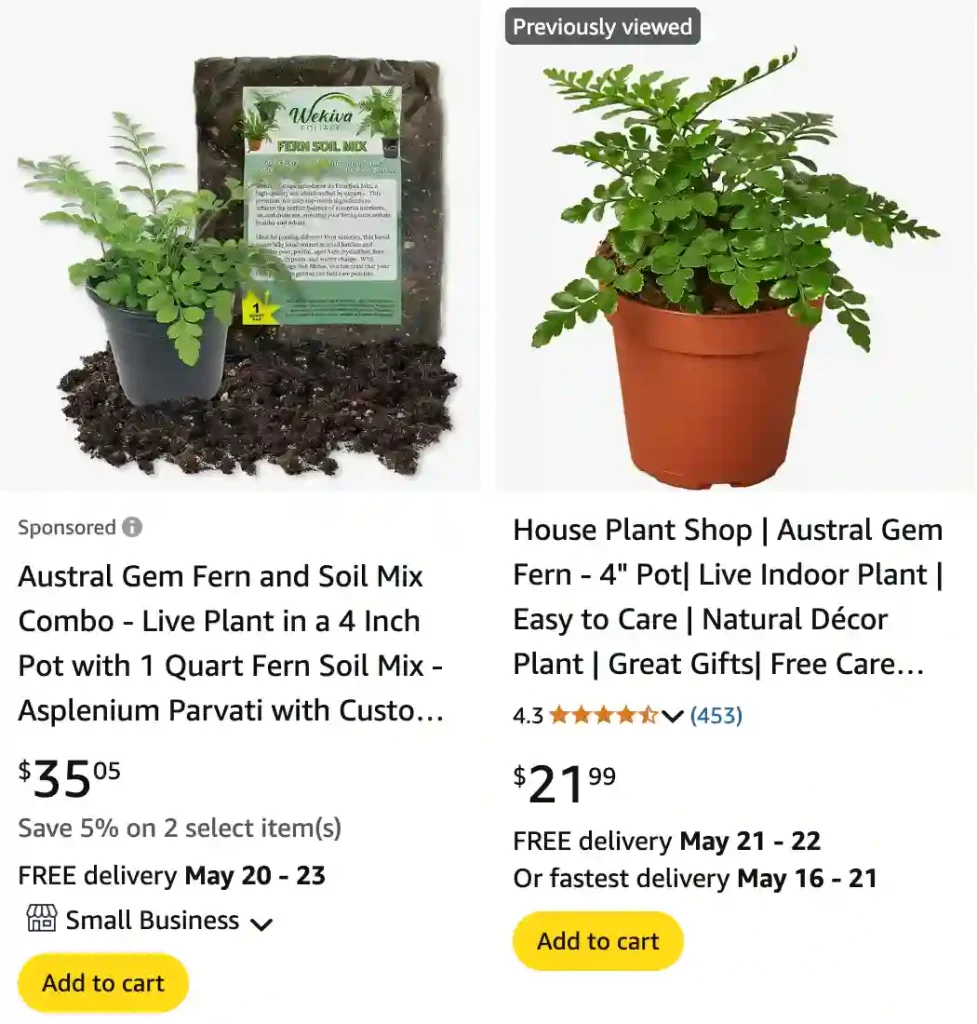
When I first brought home an Austral Gem Fern (Asplenium Dimorphum x Difforme), I didn’t expect to fall in love with it so quickly. This hybrid fern, known for its glossy, almost plastic-like fronds, adds a lush, tropical touch to any room. Over time, I’ve received tons of questions from friends, visitors, and fellow plant enthusiasts about Austral Gem Fern care, so I’ve decided to answer the most frequently asked questions right here—from personal experience. Let’s dig in.
908 Species in Genus Asplenium
What Makes the Austral Gem Fern Unique?
First off, let me say this: it’s not your average fern. The Austral Gem Fern is a sterile hybrid between two Asplenium species, making it incredibly tidy. No spores. No mess. Just clean, shiny foliage. It’s also one of the few ferns that doesn’t shed or brown easily. This trait alone makes it a rockstar in the world of indoor houseplants.
How Do You Handle Austral Gem Fern Indoor Care?
Here’s where it gets interesting. Most ferns are notorious divas when brought indoors. But Austral Gem Fern indoor care is a breeze. I keep mine in a well-ventilated spot with indirect light and medium humidity—like the bathroom or kitchen. It tolerates indoor conditions far better than Boston Ferns or Maidenhairs.
The fronds stay lush without frequent misting, although I do give mine a gentle spray during dry winter months. Just don’t let the pot sit in water—this plant hates soggy roots.
What Kind of Light Does It Need?
One of the biggest misconceptions about this plant is that it loves low light. While it can survive in dim spaces, I’ve found the best Austral Gem Fern light conditions to be bright, indirect light. Think east-facing windows or a few feet from a sunny south-facing one.
Too much direct sunlight scorches the leaves. Too little, and the growth slows down dramatically. I learned that the hard way when I left mine too far from the window—new fronds became fewer and smaller.
How Often Should I Water It?
Ah, the golden question: Austral Gem Fern watering. I water mine when the top inch of soil feels dry. On average, that’s once a week during spring and summer and every 10–14 days during fall and winter. I always check the moisture level with my finger before grabbing the watering can.
Overwatering is a common killer. Root rot sets in fast. I learned to always use a well-draining mix and a pot with drainage holes.
Why Is My Austral Gem Fern Dying?
If your Austral Gem Fern is dying, don’t panic. Start by checking light, water, and humidity. Yellowing fronds often point to overwatering. Crispy tips? Probably low humidity or too much sun. If it’s losing fronds entirely, it might be root rot—check the roots for mushiness.
Prune any dead or damaged fronds to encourage healthy new growth. I’ve revived a struggling fern this way more than once. Patience and consistency are key.
How Do You Propagate Austral Gem Fern?
Here’s the catch—Austral Gem Fern propagation isn’t like other ferns. Since it’s a sterile hybrid, it doesn’t produce viable spores. You won’t be propagating it by division or spores. That said, growers multiply them through tissue culture in labs.
For home growers like us, buying a healthy young plant is the only viable method. That might be a downside for some, but honestly, the lack of spontaneous self-propagation makes this fern less invasive indoors.
Is Austral Gem Fern Toxic to Pets?
Good news—Austral Gem Fern toxic concerns are minimal. According to the ASPCA, it’s non-toxic to cats and dogs. That’s one reason I keep several around the house, even with curious pets. Still, I always keep plants slightly out of reach. Better safe than sorry.
Final Thoughts: Why I Still Love This Fern
When it comes to houseplants that are attractive, low-maintenance, and forgiving, few beat the Austral Gem Fern. It has taught me a lot about balance—between water and drought, light and shade. It’s a plant that rewards you with lush, emerald-green beauty if you just meet it halfway.
So whether you’re a new plant parent or an experienced grower, give this fern a chance. With the right Austral Gem Fern care practices, you’ll find it to be one of the most rewarding foliage plants in your collection.

If i die, water my plants!