I’ve spent a lot of time growing and comparing fruit-bearing shrubs and trees. One of the most fascinating additions to my garden is the Grapefruit Shrub – Citrus × Paradisi. It’s a subtropical citrus hybrid known for its bold flavor, showy fruit, and beautiful evergreen foliage. Below, I’ve answered some of the most common questions I get about it. I’ll also compare it with other popular fruit plants and shrubs based on my firsthand experiences.
What Is the Grapefruit Shrub – Citrus × Paradisi?
The Grapefruit Shrub is actually a small tree or large bush from the Rutaceae family. It’s a hybrid between Sweet Orange (Citrus × Sinensis) and Pomelo (Citrus Maxima). It originated in Barbados in the 18th century.
What I like about it is that it can be pruned into a multi-trunked shrub. It’s evergreen, grows 15 to 20 feet tall (though smaller if container-grown), and produces large, round fruits with yellow to pink skin.
How Does It Compare to a Lemon Tree?
When I compare the Grapefruit Shrub to my Lemon Tree (Citrus × Limon), several differences stand out. Lemons grow faster, fruit sooner, and need less heat to thrive. But grapefruits require longer ripening time and more warmth.
Grapefruit fruits are larger and less acidic. If I’m going for tart, I choose lemon. If I want tangy with a touch of bitterness and sweetness, grapefruit wins.
From a gardening perspective, lemons tolerate a bit more shade. Grapefruits demand full sun—at least 8 hours a day.
Can I Grow Citrus × Paradisi in a Pot?
Yes, and I’ve done it. I use a dwarf variety like ‘Rio Red’ or ‘Oro Blanco’ in a large container. It’s important to use well-draining soil—citrus potting mix is ideal. Make sure the container has excellent drainage holes, and water when the top 2 inches of soil dry out.
Keep in mind: container-grown citrus needs more feeding. I use a balanced, slow-release fertilizer with micronutrients, high in magnesium and iron.
Is It Cold-Hardy?
Not really. Grapefruit Shrub – Citrus × Paradisi is cold-sensitive. It does best in USDA Zones 9 to 11. I live in a marginal area and bring my potted shrub indoors or into a greenhouse when temps dip below 40°F (4°C). Frost can damage the leaves and kill the blooms.
If you’re in Zones 8 or below, grow it in a container or under a frost cloth with added mulch in winter.
How Long Does It Take to Fruit?
Patience is key. Grafted trees start fruiting within 3 to 5 years. Seed-grown trees take longer—sometimes over 6 years. In warm climates with consistent care, you may get your first real harvest in year four.
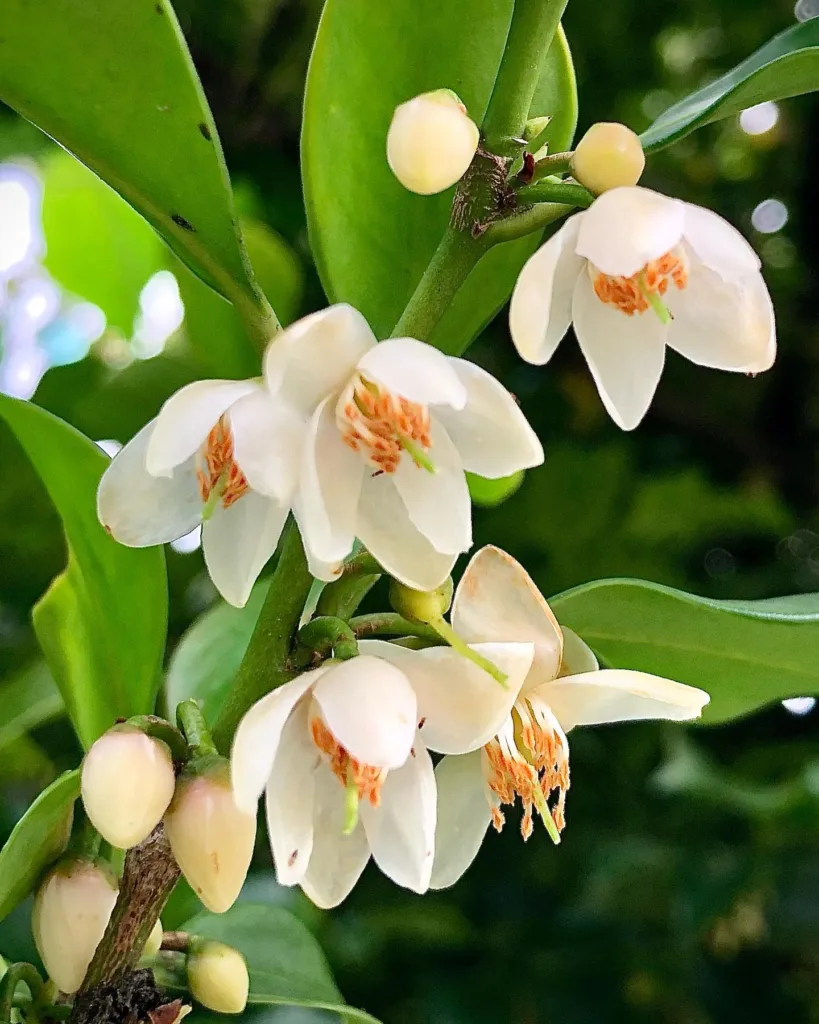
It blooms in spring with fragrant white flowers. The fruit matures in winter and hangs on the tree for weeks, which I love. It extends my harvest season well into February.
What Are the Health Benefits?
I eat grapefruits for more than taste. They’re loaded with Vitamin C, Antioxidants, Lycopene (in pink/red types), and Dietary Fiber. It’s great for skin, immunity, and digestion. The bitter compound naringin is also known to have anti-inflammatory and cholesterol-lowering properties.
Just be cautious—grapefruit can interfere with certain medications due to cytochrome P450 enzyme inhibition. Always consult your doctor if you’re on meds.
Is It Self-Pollinating?
Yes, it is. Citrus × Paradisi is self-fertile. I don’t need a second tree to get fruit. However, I’ve noticed more abundant harvests when bees and other pollinators are active. Keeping pollinator-friendly plants nearby helps.
How Does It Compare to Pomegranate Shrub?
I’ve grown both. While the Pomegranate (Punica Granatum) is more drought-tolerant and cold-hardy (Zones 7–10), the grapefruit shrub needs more humidity and water.
Pomegranates also fruit more quickly and tolerate neglect better. But grapefruits offer a lush, tropical aesthetic and evergreen foliage. Pomegranate shrubs lose leaves in winter and have a more rustic look.
What Are Common Pests or Problems?
My grapefruit shrub has faced aphids, scale insects, and citrus leaf miners. I manage them with neem oil or insecticidal soap. Regular inspections help.
Root rot is another issue if soil stays soggy. That’s why I always plant in raised beds or mounds and avoid clay-heavy soils.
Watch for citrus greening disease (HLB) in some areas. It’s spread by the Asian citrus psyllid. If leaves yellow irregularly or fruits grow misshapen, act fast.
Can It Be Used Ornamentally?
Absolutely. I’ve used mine in landscape design for its glossy foliage, fragrant spring blooms, and bright fruits. It looks striking when paired with lavender, rosemary, or even agapanthus. Plus, it attracts butterflies and bees.
The grapefruit shrub also works well as a living screen or privacy hedge when grown close together and kept trimmed.
What Varieties Do I Recommend?
I’ve had success with:
- ‘Ruby Red’ – Classic pink-fleshed fruit, sweet with a slight bite. Vigorous.
- ‘Oro Blanco’ – A pomelo hybrid; sweet, low-acid white flesh.
- ‘Rio Red’ – Deeper color and very productive. Cold-sensitive though.
- ‘Marsh’ – A classic white variety, juicy and seedless.
Each has its strengths, but for containers, I go with dwarf grafted types on Flying Dragon (Poncirus trifoliata) rootstock. They stay compact and thrive.
Final Thoughts
Growing Grapefruit Shrub – Citrus × Paradisi is a rewarding, fragrant, and fruitful experience. It does require warm temperatures, sunlight, and regular care. But in return, you get bold fruit, glossy leaves, and a striking presence in your garden or patio.
If you’re in a warm zone or can offer indoor shelter, I absolutely recommend trying it. There’s something magical about harvesting your own grapefruit—especially when you’ve nurtured it from a humble shrub into a fruit-bearing beauty.

If i die, water my plants!