I’ve raised bearded dragons for years, and one thing I’ve learned is that not all plants belong in their enclosures. Choosing safe greenery is essential for their health and happiness. In this FAQ guide, I’ll share everything I know about Plants Safe for Bearded Dragons. I’ll also compare common choices and answer the most asked questions.
What Plants Are Safe for Bearded Dragons?
The key is to go with non-toxic, pesticide-free, and edible plants. Here are my go-to choices:
- Spider Plant (Chlorophytum comosum) – Safe, easy to grow, and helps with air quality.
- Hibiscus (Hibiscus rosa-sinensis) – Dragons love the flowers. It’s both safe and colorful.
- Dandelion Greens (Taraxacum officinale) – Nutrient-rich and one of their favorite snacks.
- Aloe Vera (Aloe barbadensis) – While safe to touch, avoid letting them eat too much of it.
- Basil (Ocimum basilicum) – Aromatic and safe in moderation.
- Mint (Mentha spp.) – Use sparingly; it’s safe but can be strong for their system.
- Mulberry Leaves (Morus alba) – High in calcium and fiber. Excellent feeder plant.
These plants don’t just look good. They also mimic a more natural habitat, reduce stress, and sometimes even improve digestion.
Can Bearded Dragons Eat Houseplants?
Some houseplants are safe. But many popular ones are not. Avoid the following:
- Pothos (Epipremnum aureum) – Toxic. Keep it far away.
- Philodendrons – Dangerous if eaten.
- Dieffenbachia (Dumb Cane) – Highly toxic. Even brushing against it can cause irritation.
- Peace Lily (Spathiphyllum spp.) – Not suitable at all.
When in doubt, assume it’s unsafe until you’ve verified it. I always double-check a plant’s scientific name and toxicity level before placing it in a dragon’s enclosure.
Are Succulents Safe for Bearded Dragons?
This one gets tricky. Some succulents are safe, while others are toxic.
Safe Succulents I use:
- Hens and Chicks (Sempervivum spp.)
- Echeveria
- Haworthia
Unsafe Succulents to avoid:
- Jade Plant (Crassula ovata)
- Kalanchoe
- Aloe (in large quantities) – It can act as a laxative.
Succulents look great, but dragons sometimes nibble out of curiosity. I prefer using them only if I can monitor closely or place them in parts of the tank that aren’t accessible.
How Do Plants Benefit Bearded Dragons?
Plants do more than beautify the terrarium. They:
- Help with hydration through transpiration.
- Offer shade and humidity balance, especially in dry environments.
- Stimulate natural behavior like digging, climbing, and hiding.
- Provide mental enrichment through smells and textures.
That’s why I never build a dragon enclosure without at least a few live or potted safe plants.
Live vs Artificial: Which Plants Are Better?
I’ve used both, and here’s what I’ve learned:
| Feature | Live Plants | Artificial Plants |
|---|---|---|
| Safety | Must choose carefully | Generally safe but may have dyes or glues |
| Care | Needs light and water | No maintenance |
| Enrichment | Natural scents and textures | Limited sensory value |
| Risk | Can rot or mold if soil stays wet | No biological risk |
Verdict: I prefer live plants when I can care for them properly. They support the reptile’s mental and physical well-being in a way artificial plants never can.
What Soil Should I Use with Safe Plants?
This is a must-know. Regular potting mix often contains perlite, vermiculite, and fertilizer—all harmful if ingested. Instead, I use:
- Organic topsoil with no additives
- Coconut coir
- Play sand mixed with soil for desert-style setups
These substrates keep plants happy and reduce ingestion risks. I also top them with rocks or mesh barriers to prevent accidental eating.
Can I Grow Edible Plants in the Tank?
Yes—and I do! My favorite edible plants include:
- Collard Greens
- Mustard Greens
- Turnip Tops
- Dandelion Greens
- Endive and Escarole
They grow well under UVB lighting, and bearded dragons often munch directly from the source. Just rotate the pots out when they get eaten down.
Are Ferns Safe for Bearded Dragons?
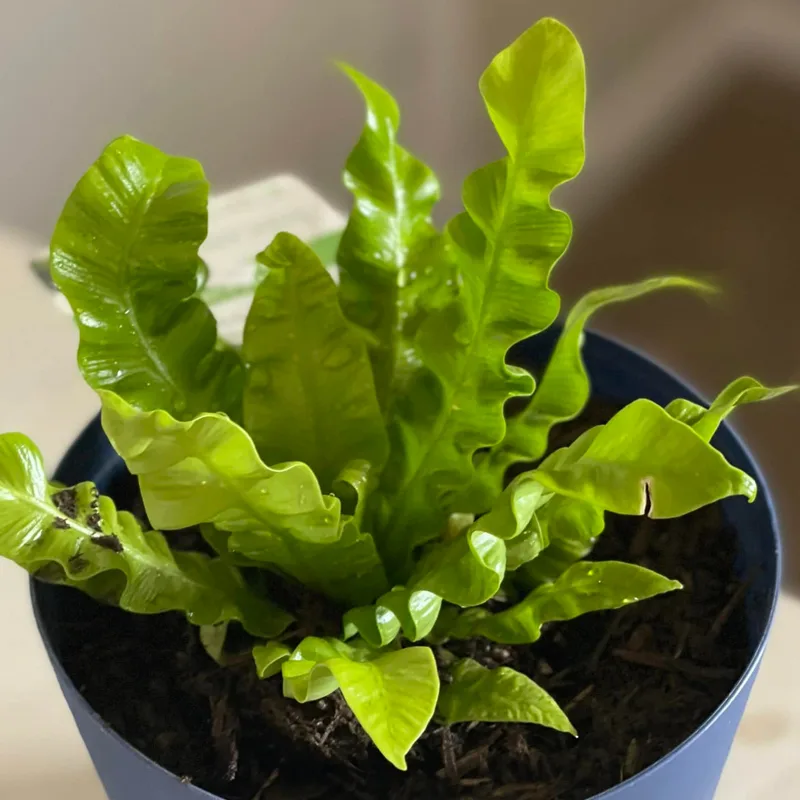
Most aren’t. Ferns like Boston Fern or Asparagus Fern can be mildly toxic or cause digestive issues. They also thrive in moist soil, which isn’t ideal for arid reptile setups.
Instead of ferns, I go for safe desert-adapted foliage like:
- Sedum
- Echeveria
- Desert Sage
These match the dry climate and are more suitable long-term.
What Plants Help with Humidity Control?
If you need to raise humidity, especially for juveniles or during shedding, these are ideal:
- Pothos (in separate space only)
- Spider Plants
- Philodendron (outside enclosure only)
- Air Plants (Tillandsia spp.)
I often use drip trays, moss patches, or potted plants near the enclosure to boost ambient moisture without endangering the dragon directly.
Final Thoughts from Me (Ferb Vu)
Choosing Plants Safe for Bearded Dragons isn’t just about looks. It’s about building a home that nurtures them. I’ve found that the right plants can make dragons more active, calm, and even healthier.
I always keep this checklist in mind:
- Is it non-toxic?
- Will it thrive in dry heat?
- Can it handle reptile activity?
Stick to those rules, and you’ll create a dragon-friendly habitat that’s safe, beautiful, and full of life.

If i die, water my plants!