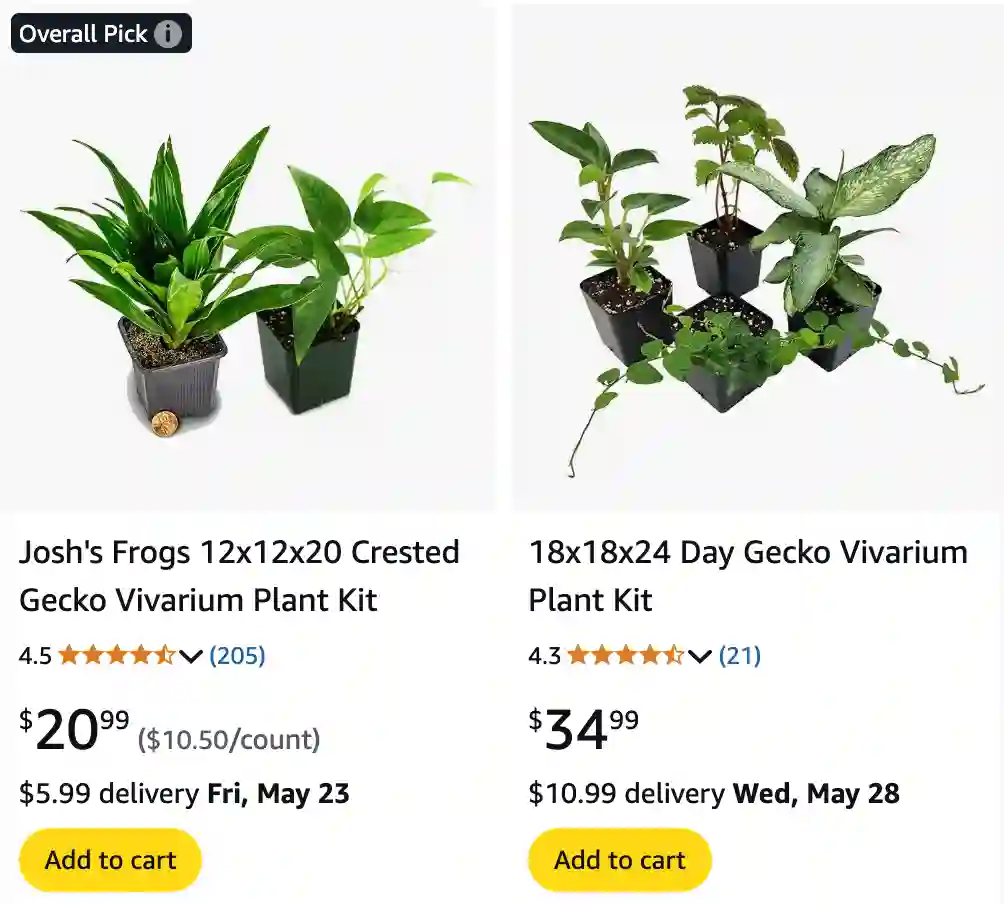
If you’re like me, a plant lover and a crested gecko keeper, you’ve probably wondered: What plants are safe for crested geckos? When I first built my gecko’s bioactive vivarium, I dove deep into research. Safety and simplicity came first. I wanted plants that wouldn’t harm my little buddy, help maintain humidity, and look natural. Let me answer some of the most common questions I get about safe foliage for these beautiful reptiles.
What Are the Safest Plants for Crested Geckos?
The safest plants for crested geckos are non-toxic, easy to clean, and thrive in humid, low-light conditions. I always look for tropical houseplants with smooth edges and no sap. Here are my go-to picks:
- Pothos (Epipremnum aureum) – Super hardy. The vines create natural climbing routes.
- Spider Plant (Chlorophytum comosum) – Great for ground cover and hiding spots.
- Bromeliads – I use small ones like Neoregelia. They collect water for sipping.
- Philodendron hederaceum (Heartleaf Philodendron) – Non-toxic and beautiful.
- Ficus pumila (Creeping Fig) – Good coverage, but I prune it often.
- Peperomia – Compact and decorative. I use varieties like Peperomia caperata.
- Calathea – These add color and love the humidity.
- Tradescantia zebrina – Bright foliage and fast-growing.
Each of these has proven safe for my gecko. I avoid anything with spines, sharp edges, or toxic sap. That includes most succulents, euphorbias, and lilies.
Can I Use Fake Plants Instead?
Yes, you can use fake plants—but I don’t. Here’s why: real plants help balance humidity, reduce odor, and make your vivarium bioactive-friendly. They also provide natural surfaces for climbing and hiding. Fake plants, on the other hand, trap dust and may leach chemicals over time.
If you go artificial, make sure the material is reptile-safe, BPA-free, and silk-based—not plastic. I’d only use them as fillers or temporary décor during viv setup.
How Do I Choose Plants That Work With Bioactive Vivariums?
When I build a bioactive enclosure, I focus on substrate compatibility, moisture tolerance, and leaf structure. Here’s what works:
- Live plants with strong root systems – These help aerate the substrate.
- High humidity tolerance – Most crested geckos need 60–80% humidity.
- Low to medium light needs – Especially if you’re using LED grow lights.
- Non-toxic leaves and stems – Because crested geckos explore with their mouths.
I use an ABG mix substrate with springtails and isopods. It creates a natural cycle and keeps the environment clean. Plants that thrive in rainforest-like setups fit best.
Are Snake Plants Safe for Crested Geckos?
This is a common question. Snake plants (Sansevieria) look cool and tolerate low light—but I don’t use them in my gecko’s enclosure. Here’s why:
- The leaves are stiff and sharp at the tips.
- If a gecko dives or jumps onto them, it could get poked.
- There are also reports of mild toxicity to pets if ingested.
While some keepers include snake plants without issue, I choose softer-leaf plants. There are better options that offer safety and similar aesthetic appeal.
What Plants Should I Avoid?
Not every pretty plant belongs in a terrarium. I avoid:
- Dieffenbachia (Dumb Cane) – Toxic and sappy.
- Aloe Vera – Sharp edges and not humidity-loving.
- English Ivy (Hedera helix) – Can be mildly toxic and invasive.
- Succulents – Most can’t handle the moisture and may rot.
- Peace Lily – Gorgeous but contains calcium oxalate.
My rule: If I wouldn’t let my cat chew it, I won’t let my gecko near it either.
How Do I Keep the Plants Healthy Inside the Vivarium?
Plant care inside a vivarium is all about balance. Here’s my process:
- Use drainage layers like LECA or hydroballs.
- Add a screen separator to keep roots from sitting in water.
- Water with dechlorinated water only.
- Wipe down leaves every two weeks to prevent mold.
- Use low-watt grow lights if your viv sits in a dark room.
I also trim plants to prevent overcrowding. Remember—crested geckos need space to move and rest.
Can Plants Make My Gecko Sick?
Only if they’re toxic or contaminated. That’s why I:
- Wash all new plants before placing them inside.
- Quarantine new plants for at least a week.
- Use organic potting mix—no pesticides or fertilizers.
- Avoid perlite and vermiculite (geckos might ingest them accidentally).
Clean plants are healthy plants. A single harmful chemical can upset your gecko’s health.
Why Do Real Plants Matter for Crested Gecko Enrichment?
Real plants aren’t just pretty—they offer behavioral enrichment. My gecko loves to:
- Hide under broad Calathea leaves.
- Climb up vines of pothos and creeping fig.
- Rest on the smooth, cool foliage of peperomia.
Natural settings reduce stress. I see my gecko active more often in a lush vivarium than when I used only fake décor.
Final Thoughts from My Experience
Creating a planted vivarium for crested geckos is one of the most rewarding projects I’ve done. It brings together reptile care, interior design, and botany. I stick with non-toxic, soft-leaf plants that match my gecko’s natural environment.
Want my top trio? Pothos, Calathea, and Peperomia. They’ve never let me down.
If you’re setting up a new enclosure, always double-check the plant’s safety with reliable reptile resources or toxic plant databases.

If i die, water my plants!