Helleborus Orientalis, often called the Lenten Rose, is a plant I deeply admire and grow with passion. It brings life to my garden in the bleak months of late winter and early spring. In this article, I’ll answer common questions I’ve gotten over time and compare it with a few other perennials I’ve worked with.
17 Species in Genus Helleborus – Lenten Rose
What Is Helleborus Orientalis?
Helleborus Orientalis is a herbaceous perennial from the Ranunculaceae family. Native to parts of Greece, Turkey, and the Caucasus, this plant blooms from late winter to early spring—a time when most of my garden lies dormant.
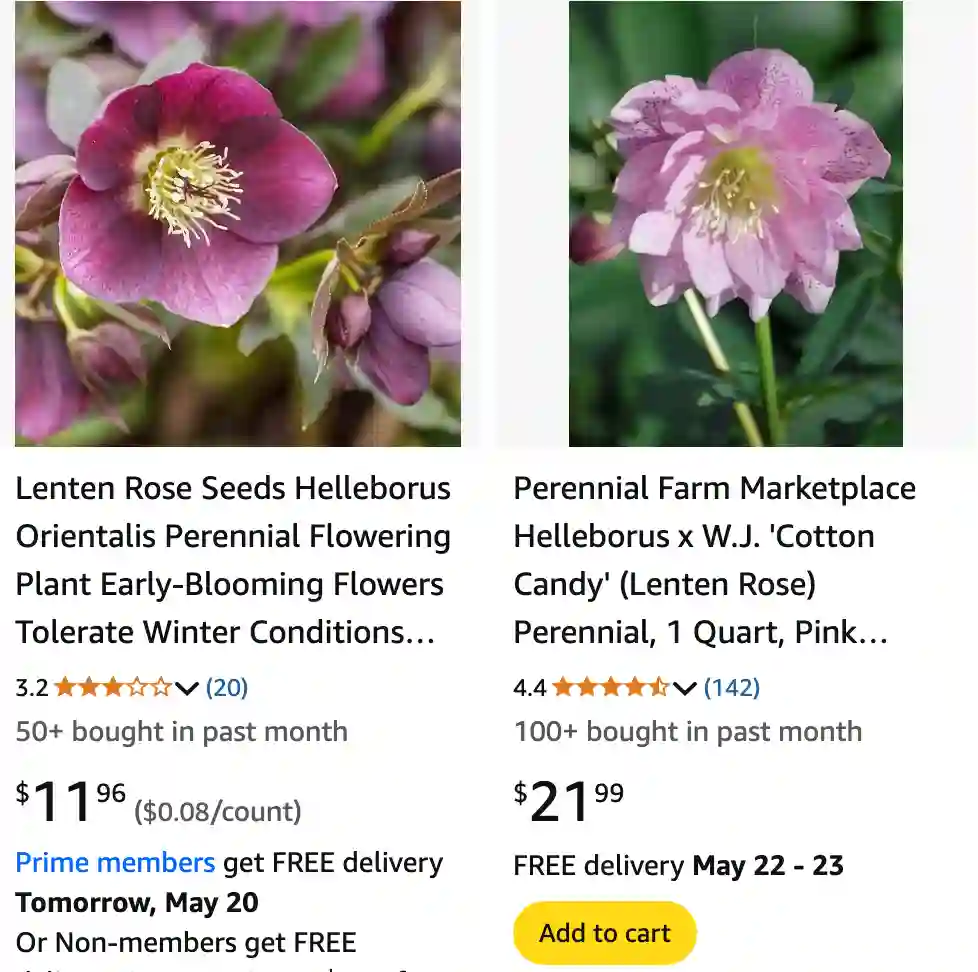
Its flowers come in shades of pink, purple, cream, green, and near-black, often with freckled patterns. The evergreen foliage remains tidy and leathery year-round, adding texture and color to shady spots.
Why Do I Grow Helleborus Orientalis?
Here’s why it’s a permanent fixture in my garden:
- Early Blooms: While everything else sleeps, it thrives. It gives me hope at winter’s end.
- Low Maintenance: Once established, I barely touch it—just remove old leaves in late winter.
- Deer and Rabbit Resistant: I’ve never seen mine touched, which is rare in my yard.
- Shade Tolerance: It’s one of the few perennials I’ve used successfully under deciduous trees.
How Do I Plant and Care for It?
I always plant Helleborus Orientalis in well-drained, humus-rich soil. It prefers partial to full shade. Here’s my personal care regimen:
- Watering: I water moderately in its first year. After that, it’s drought-tolerant.
- Fertilizing: In early spring, I apply a light layer of compost or slow-release fertilizer.
- Pruning: In late winter, I cut away the old leaves to showcase fresh growth and blooms.
This perennial is hardy in USDA zones 4–9, and in my zone 7 garden, it flourishes with no fuss.
Is Helleborus Orientalis Poisonous?
Yes. All parts of the plant are toxic if ingested and can irritate the skin. I wear gloves when handling it, especially when pruning. It’s important to keep pets and children from chewing on the leaves or flowers.
How Does Helleborus Orientalis Compare to Helleborus Niger?
Helleborus Niger, or the Christmas Rose, blooms earlier—usually December to January. But here’s the difference I notice in my garden:
- Foliage: Orientalis has thicker, glossier leaves.
- Colors: Orientalis has more flower variety—deep purples and spotted shades.
- Bloom Time: Orientalis starts in late winter, while Niger starts in mid-winter.
I plant both, but Orientalis tends to outshine Niger by March in both presence and duration.
Can I Grow Helleborus Orientalis in Containers?
Absolutely. I’ve had great success growing them in terracotta pots with drainage holes. Use a well-aerated potting mix. I place mine on a shaded porch. The only thing I watch for is winter freeze—roots in pots freeze faster than those in the ground.
What Plants Pair Well with Helleborus Orientalis?
I pair mine with:
- Hostas – Their bold leaves contrast beautifully.
- Brunnera – Especially ‘Jack Frost’ for its silver foliage.
- Heuchera – Adds year-round color.
- Ferns – For that woodland feel.
These companions share the same growing conditions: shade, moisture, and rich soil.
How Do I Propagate Helleborus Orientalis?
There are two ways:
- Division: In early spring or fall, I dig up and split mature clumps. It’s a bit disruptive but effective.
- Seed: Mine self-seed freely. If I don’t deadhead, I find baby hellebores popping up in early spring.
Note: Seed-grown plants won’t be true to the parent. Expect surprises!
Does Helleborus Orientalis Attract Pollinators?
Yes. On mild days, I see bumblebees visiting. It’s one of the few nectar sources that early in the year. I value that as part of my effort to support local pollinator populations.
What’s the Difference Between Helleborus Orientalis and Hybrid Hellebores?
Many of the “Hellebores” sold today are hybrids derived from Helleborus Orientalis. These are known as Helleborus × hybridus. They’re bred for:
- Bigger flowers
- More color range
- Double forms
- Upright blooms
In my garden, both thrive, but I find Orientalis more natural-looking and robust.
Do I Need to Worry About Pests or Diseases?
Not really. I’ve only dealt with aphids once and a bout of black spot on old leaves. Here’s how I handle them:
- Remove infected leaves
- Encourage airflow
- Use neem oil if needed
Honestly, it’s one of the healthiest perennials I grow.
Final Thoughts
Helleborus Orientalis is a reliable, resilient, and visually striking plant. Its ability to bloom in the off-season, tolerate shade, and resist deer and drought makes it a must-have. I consider it an essential part of my shade garden design and one of the few plants I recommend without hesitation.

If i die, water my plants!